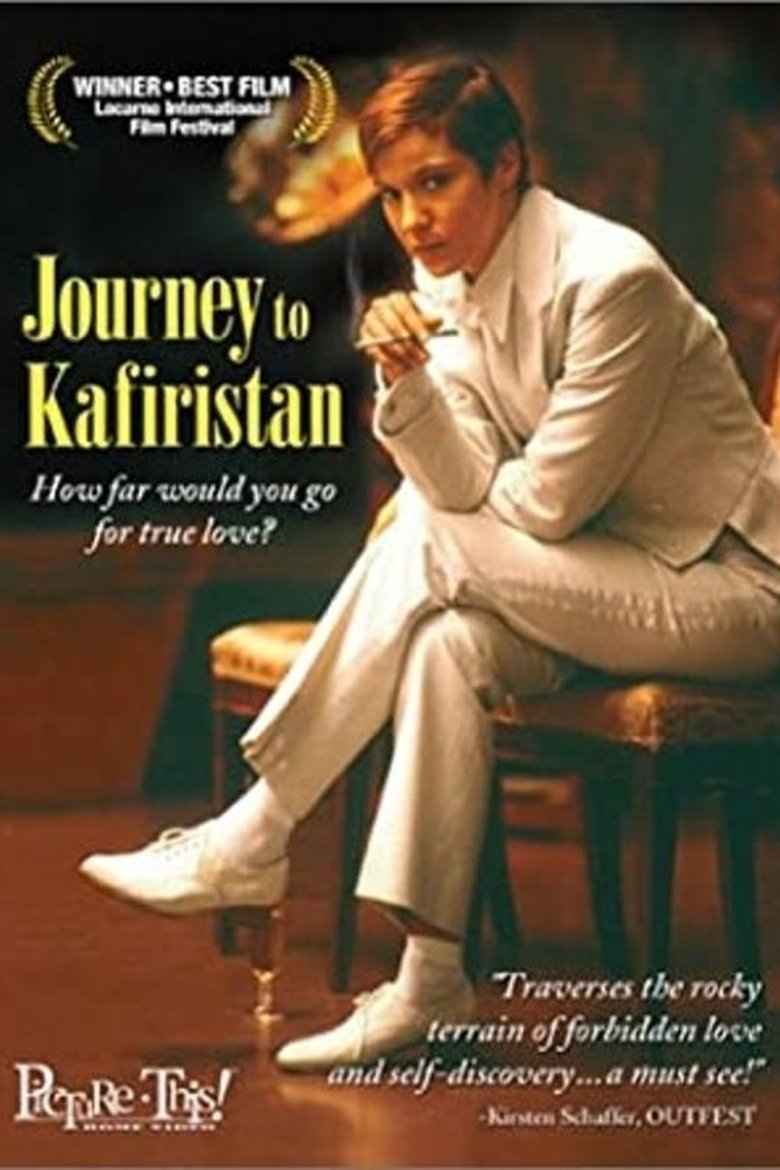

In 1939, the author Annemarie Schwarzenbach and the ethnologist Ella Maillart travel together by car to Kabul, but each is in pursuit of her own project. Annemarie Schwarzenbach, who was among Erika and Klaus Mann's circle of friends in the 30s, is searching for a place of refuge in the Near East to discover her own self. Ella Maillart justifies her restlessness, her need for movement and travel, with a scientific pretext: she would like to explore the mysterious Kafiristan Valley and make a name for herself with publications on the archaic life of the nomads living there. Both women are on the run, but political developments and their own biographies catch up with them again and again. Their mutual journey through the outside world, which runs from Geneva via the Balkans and Turkey to Persia, is compounded by the inner world of emotions with a tender love story.
Status
Released
Original Language
DE
Engländer
Painting is an unacceptable vocation for a woman in provincial Germany in the year 1900, but budding artist Paula Becker is determined to make her own rules.