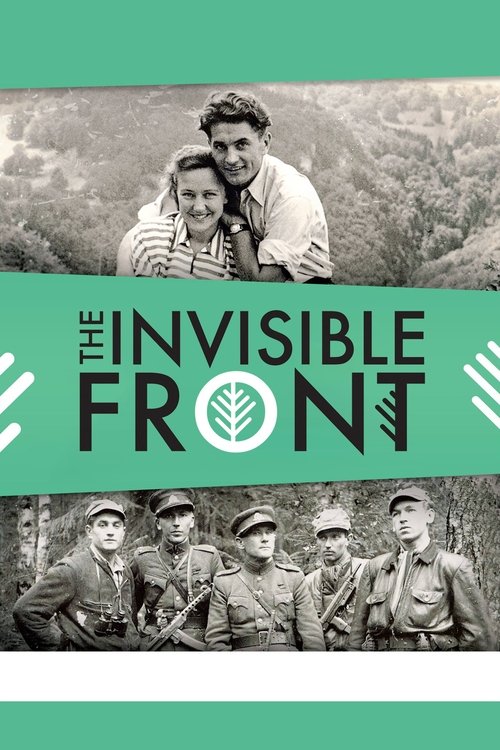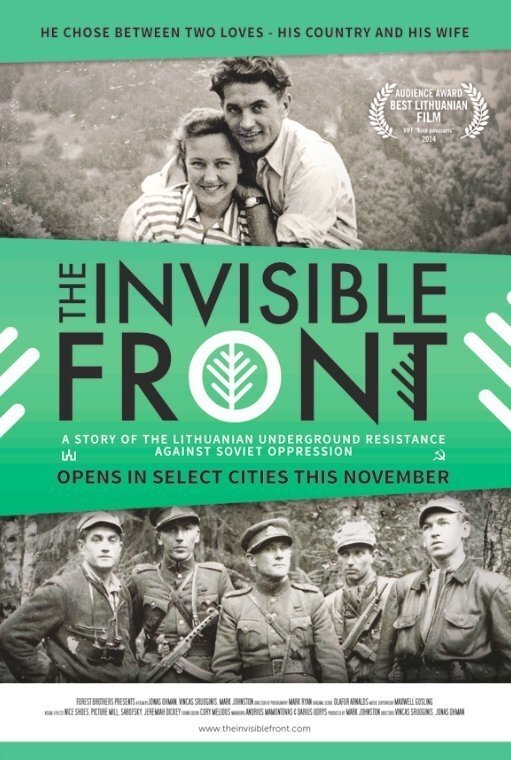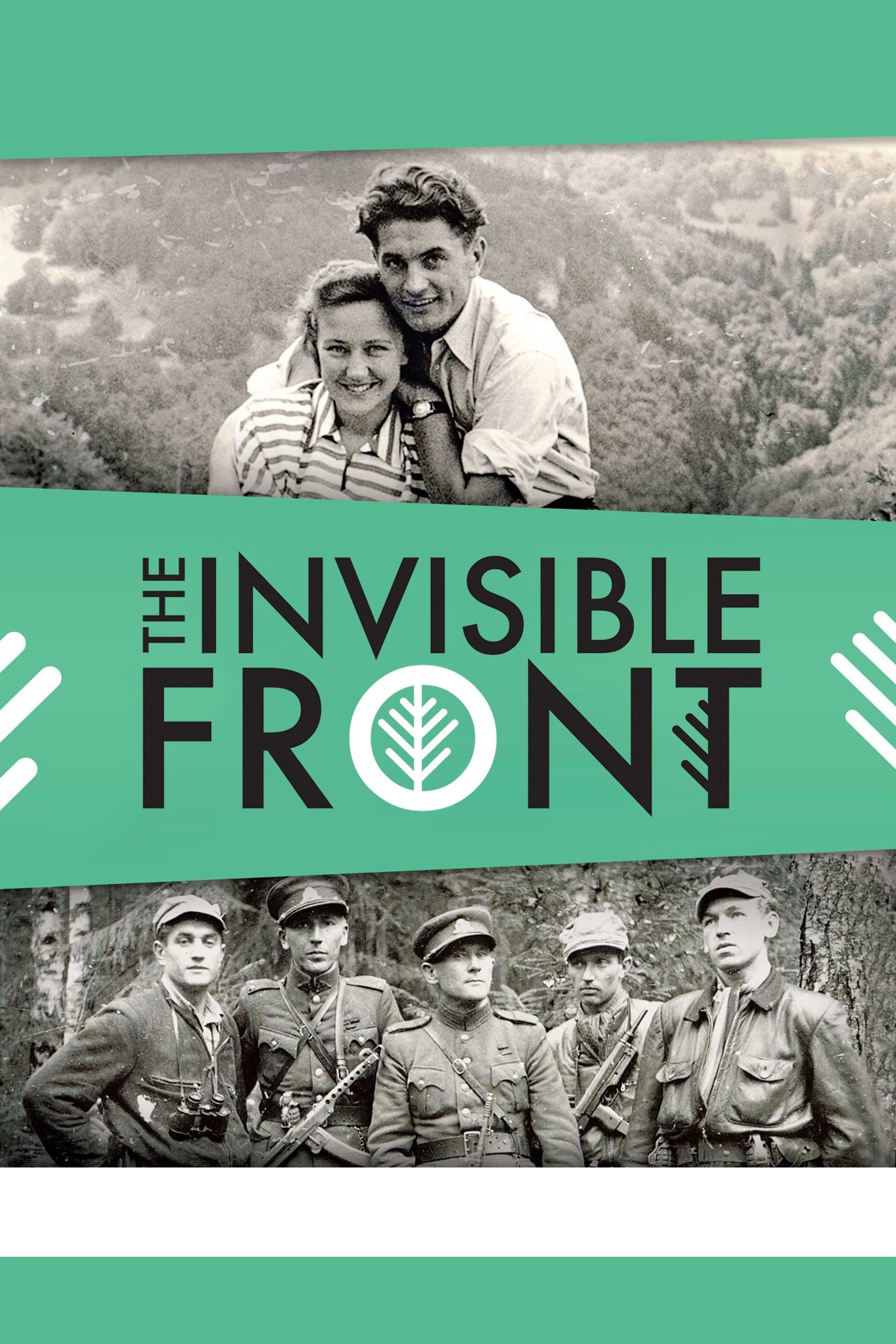
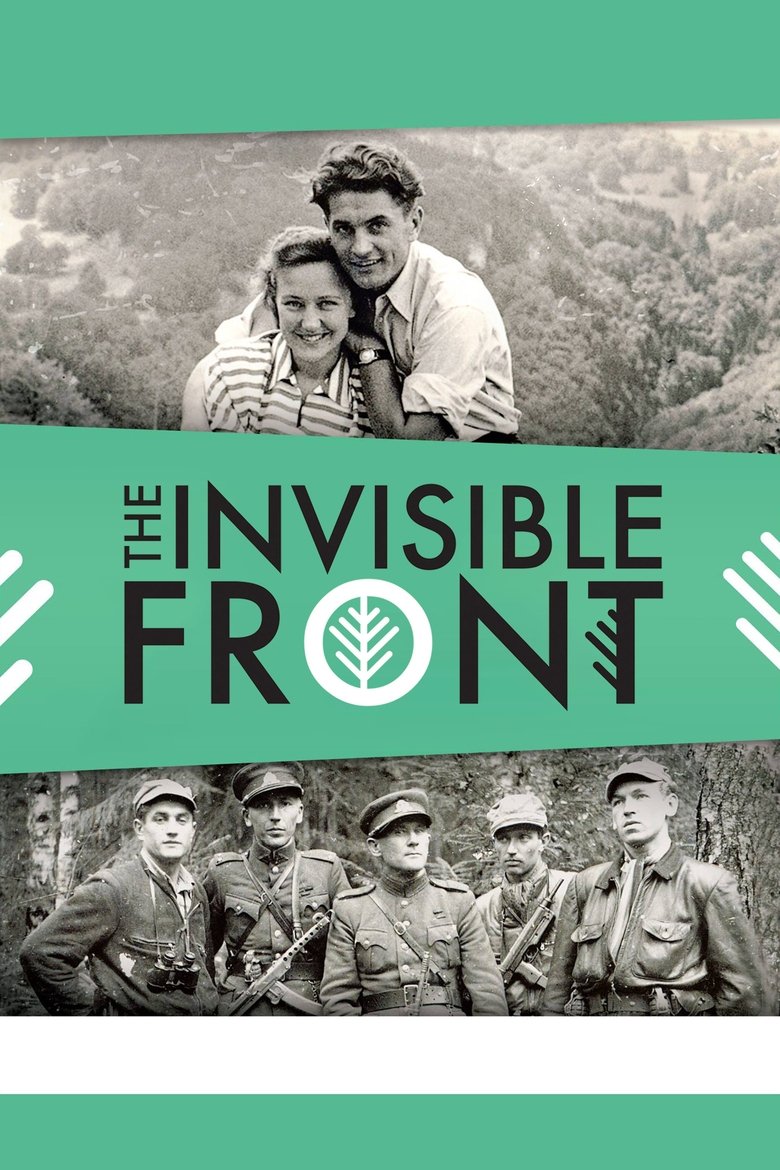

“He chose between two loves - his country and his wife”
Between 1944–1953, courageous resistance movement took place in the Baltic region of Europe, uniting the partisan troops for struggle against the Soviet Union. “The Invisible Front” was a coded name used by the Soviet Interior forces to describe the resistance movement in Lithuania. Film depicts the story of the fighters through the words and experience of the partisan leader, Juozas Luksa, and interviews with eyewitnesses of those events - both the partisans and the Soviet fighters. Tales of horror, torture and courage are told in the rare archival footage that has never been screened before, and interviews with the surviving members of the resistance movement.
Director
Director
Screenplay
Screenplay
Screenplay
Status
Released
Original Language
EN
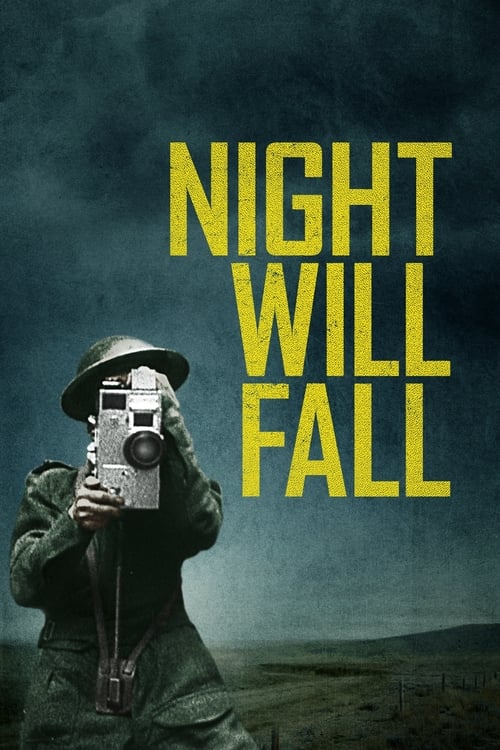
When Allied forces liberated the Nazi concentration camps in 1944-45, their terrible discoveries were recorded by army and newsreel cameramen, revealing for the first time the full horror of what had happened. Making use of British, Soviet and American footage, the Ministry of Information’s Sidney Bernstein (later founder of Granada Television) aimed to create a documentary that would provide lasting, undeniable evidence of the Nazis’ unspeakable crimes. He commissioned a wealth of British talent, including editor Stewart McAllister, writer and future cabinet minister Richard Crossman – and, as treatment advisor, his friend Alfred Hitchcock. Yet, despite initial support from the British and US Governments, the film was shelved, and only now, 70 years on, has it been restored and completed by Imperial War Museums under its original title "German Concentration Camps Factual Survey".
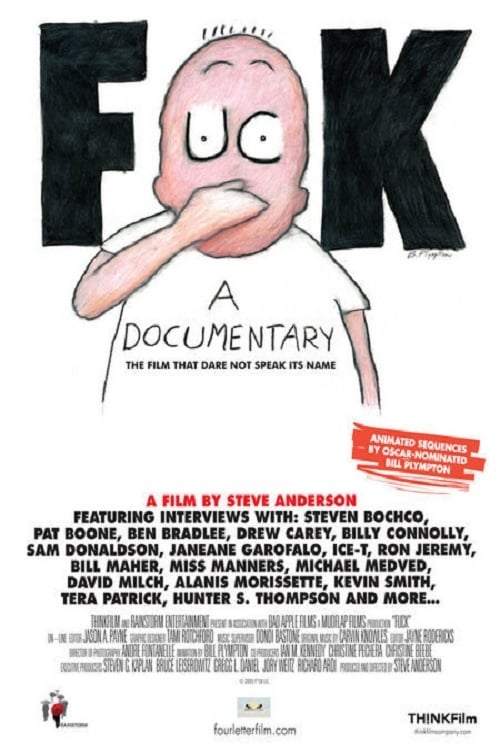
A documentary on the expletive's origin, why it offends some people so deeply, and what can be gained from its use.