
User Score
0 votes
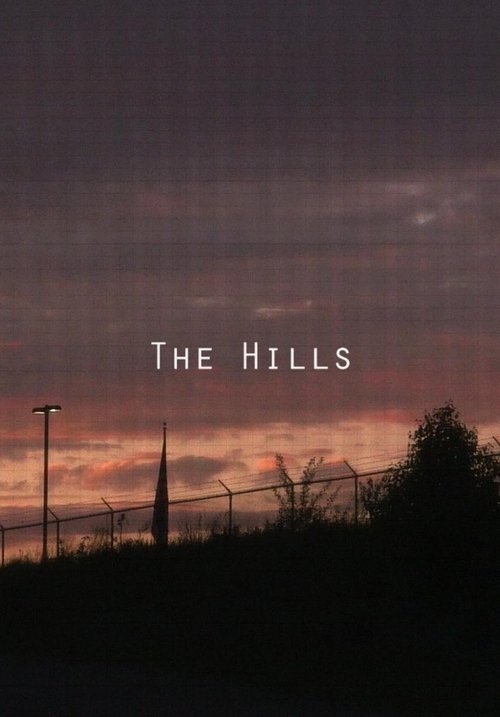
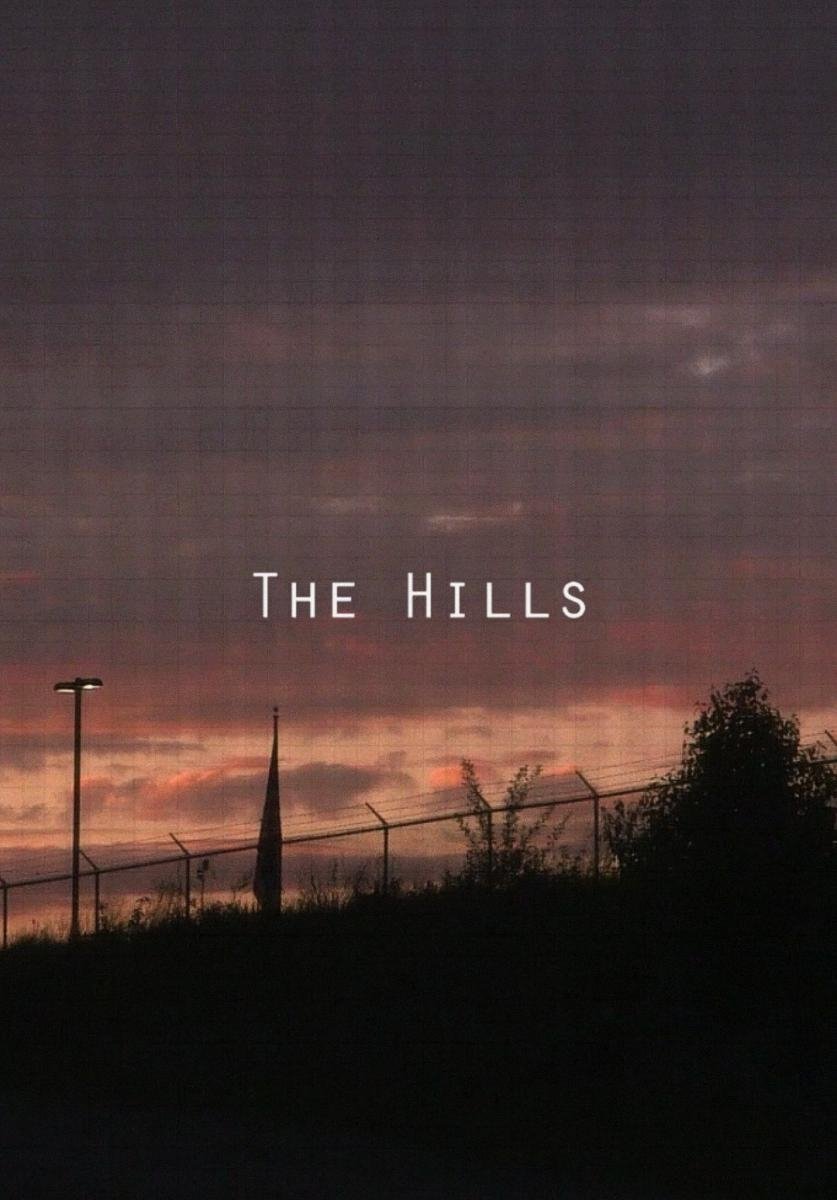
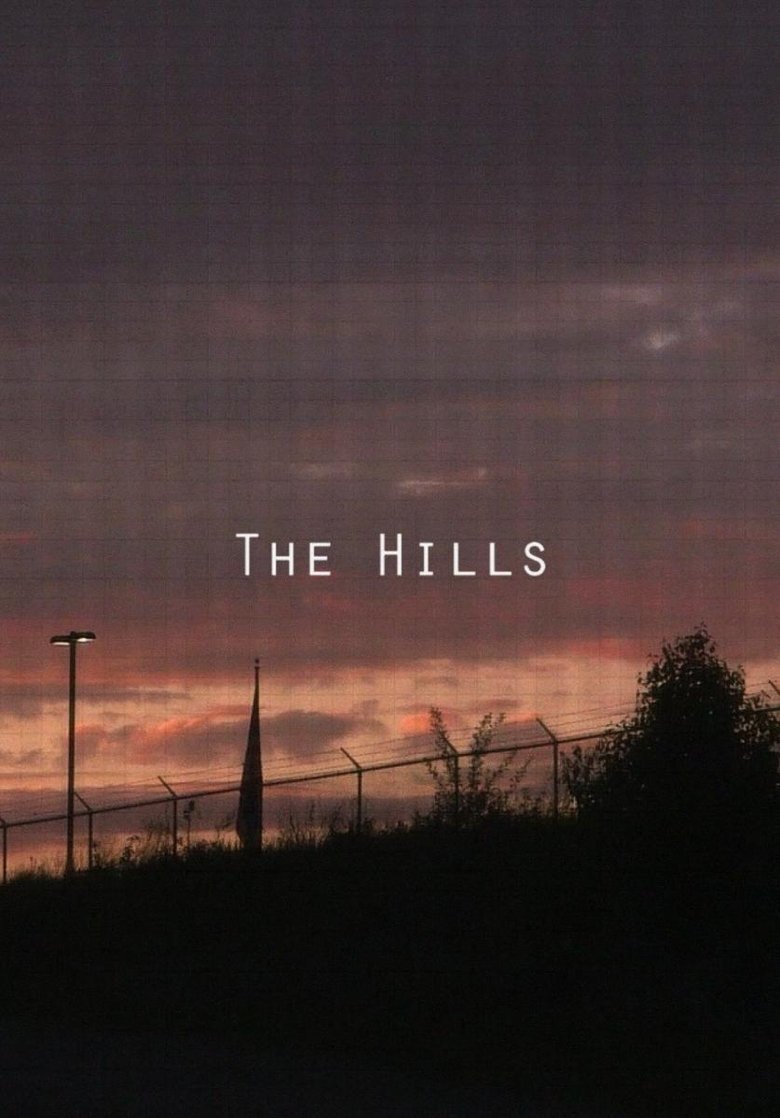
Distance is at issue in this final chapter of the “Human Nature” series, which speaks of our positioning of the landscape as a source for contemplation as being a form of consumption and thereby invoking claims of ownership. These hills, found within the coal ranges of Eastern Pennsylvania, are marked by our vision as both “nature” and “territory”, subject to varied forms of reverence and exploitation. The film continues OVER WATER’s theme of controlling elements of nature, here complicated (and obviated) by the use of the grid as a trope serving as a reference to not only the literal introduction of powerlines (the energy grid), but more generally to the utility of image in relation to function, the epistemological goals of mapping, and the aspects of control that are intertwined with ownership and consumption.
Director
Status
Released
Original Language
EN
A grieving couple retreats to their cabin 'Eden' in the woods, hoping to repair their broken hearts and troubled marriage. But nature takes its course and things go from bad to worse.