
User Score
6 votes
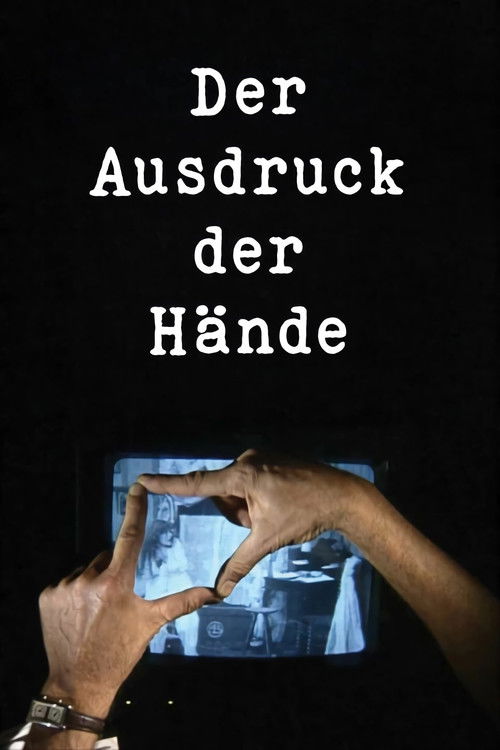
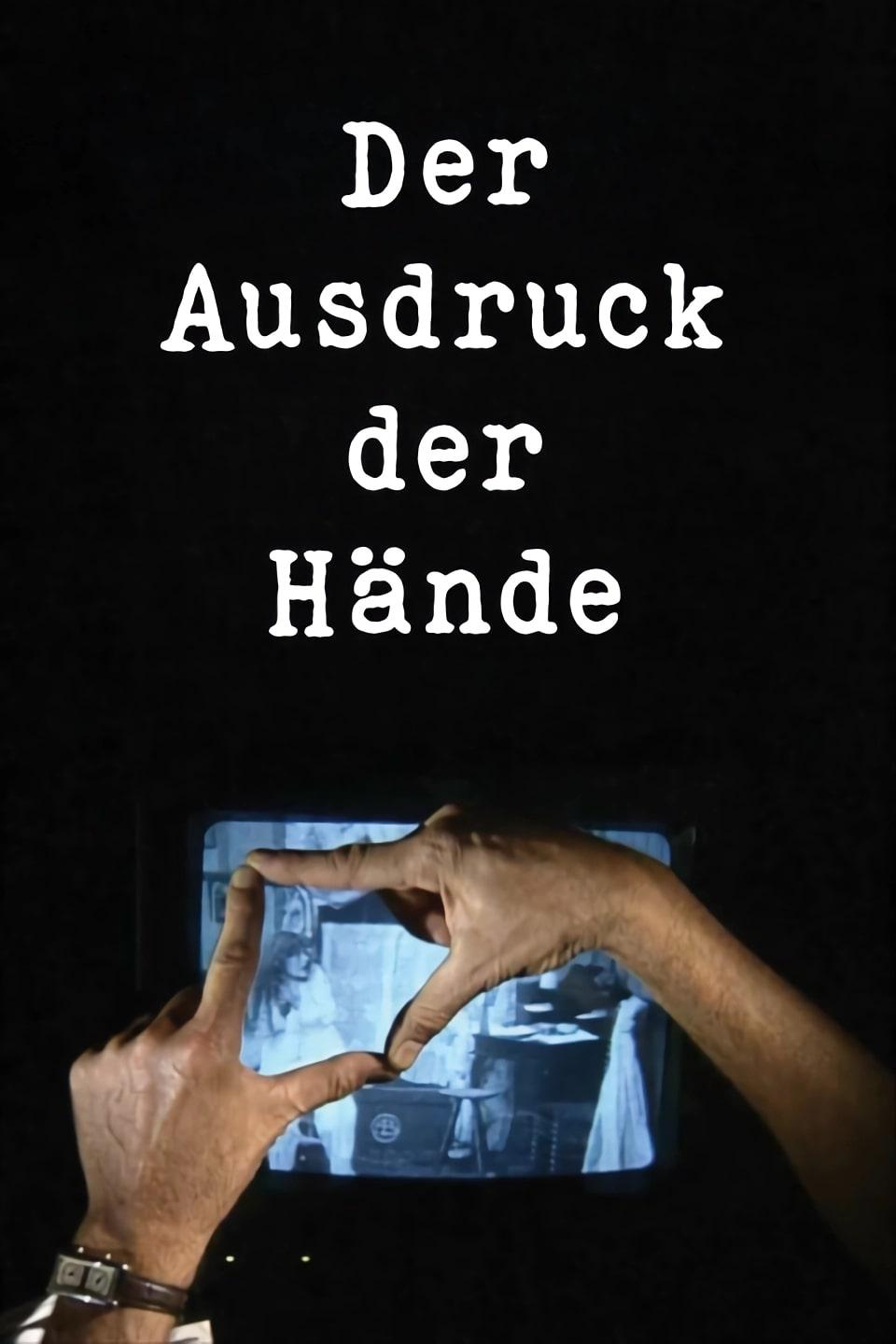
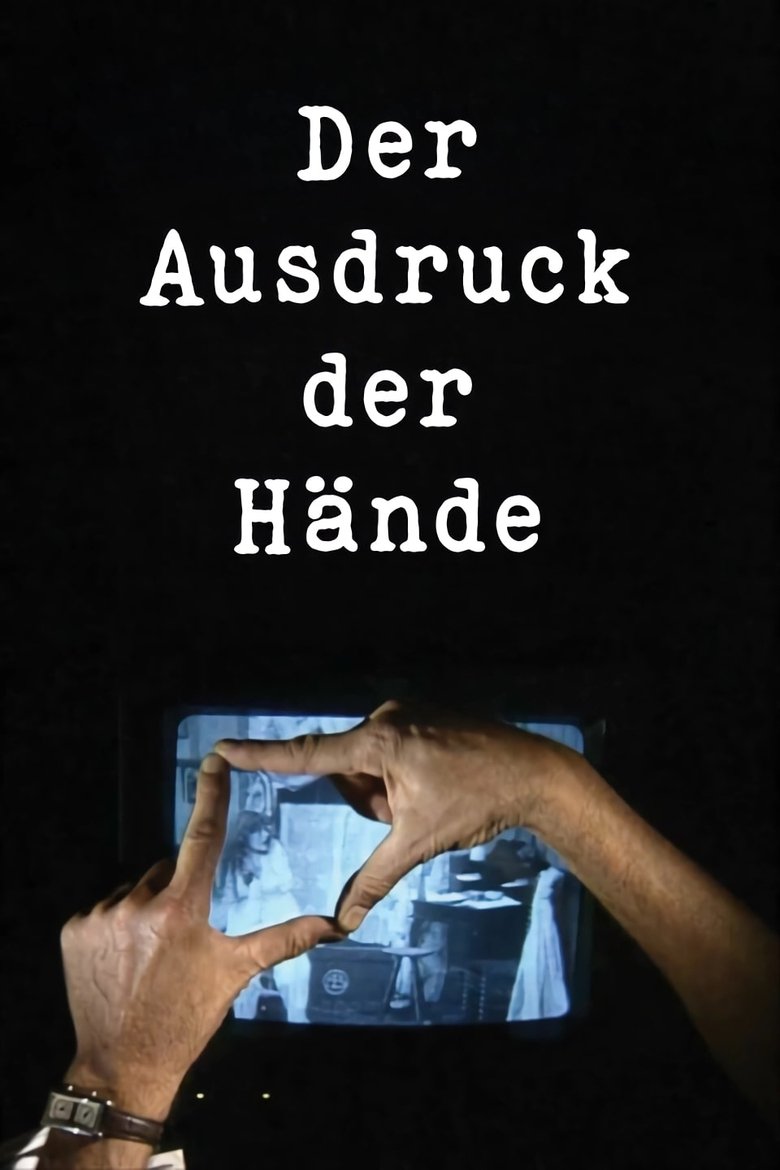
Historically, the cinema close-up was initially employed to convey emotions through facial expressions. But soon filmmakers also began focusing their attention on hands. Using film extracts, Farocki explores this visual language, its symbolism, Freudian slips, automatisms and its music. Often, hands betray an emotion which the face tries to dissimulate. They can also function as a conduit (exchanging money) or witness to a form of competence (work).
Status
Released
Original Language
DE
While attending a retrospect of his work, a filmmaker recalls his life and his loves: the inspirations for his films.