
User Score
3 votes
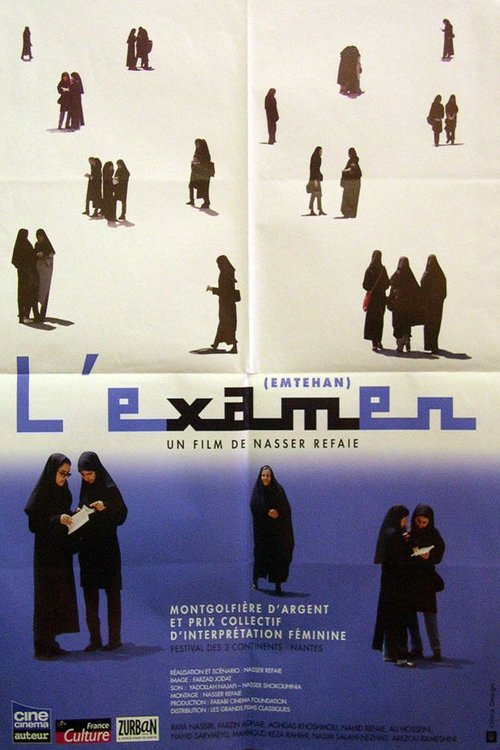
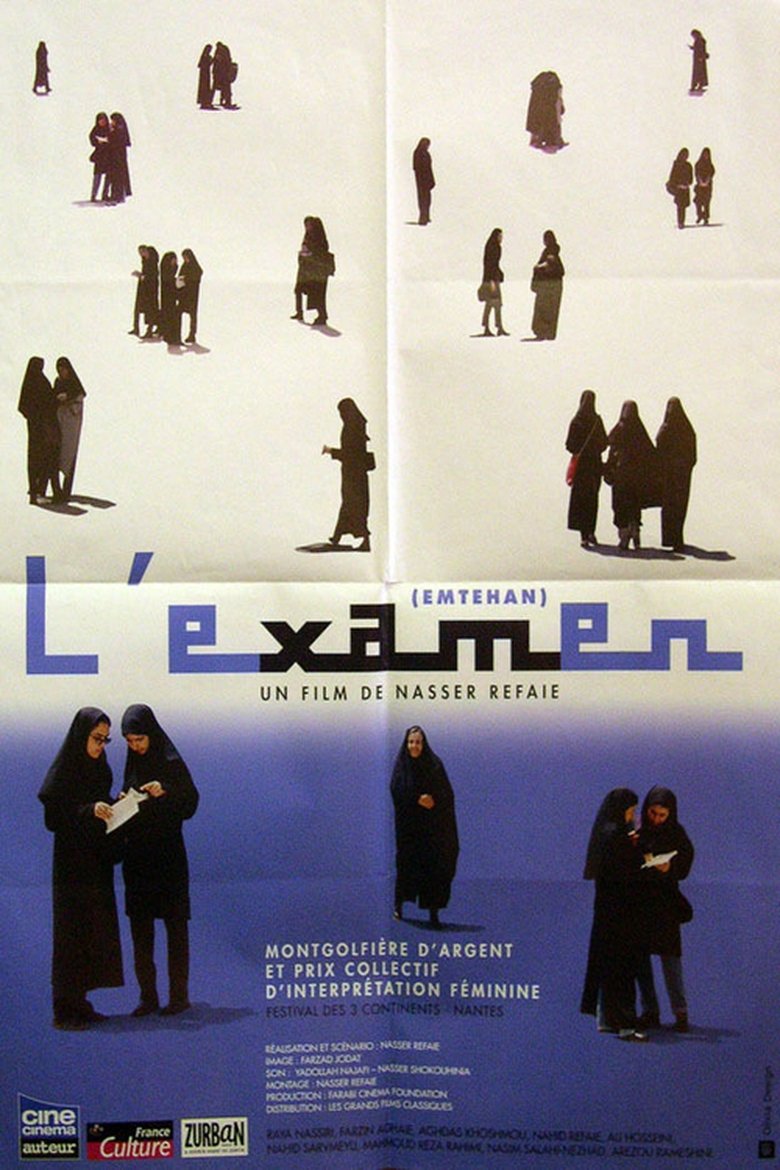
We see the empty street outside the main gate of a Teheran University. Then we see several women, all of whom are wearing the traditional black chador, arrive one by one at the school. They enter the gate and congregate in the courtyard, where they wait for the scheduled time to take the school's entrance exam. While they wait, they converse among themselves or with the spouses or relatives who took them to the school. The film proceeds from one discussion to the next as we overhear people discuss both important and trivial matters that affect the lives of women in contemporary Iran. One woman mentions that she is waiting for her husband to pick up their baby from her so she can take the exam; others discuss their hopes and dreams, and there is some tension among some of the boys who are also hanging out there. Eventually it is time to take the exam, so the women leave the courtyard.
Director
Status
Released
Original Language
FA
Various women struggle to function in the oppressively sexist society of contemporary Iran.