
User Score
0 votes
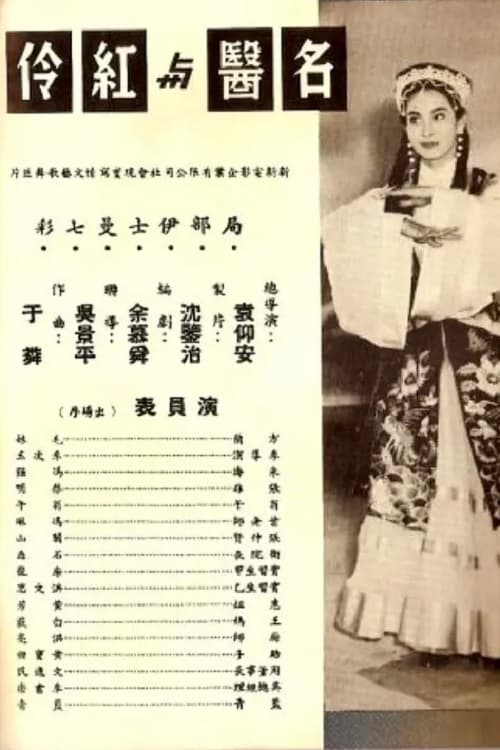
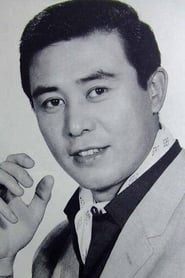
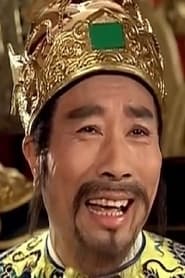
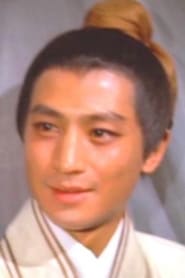
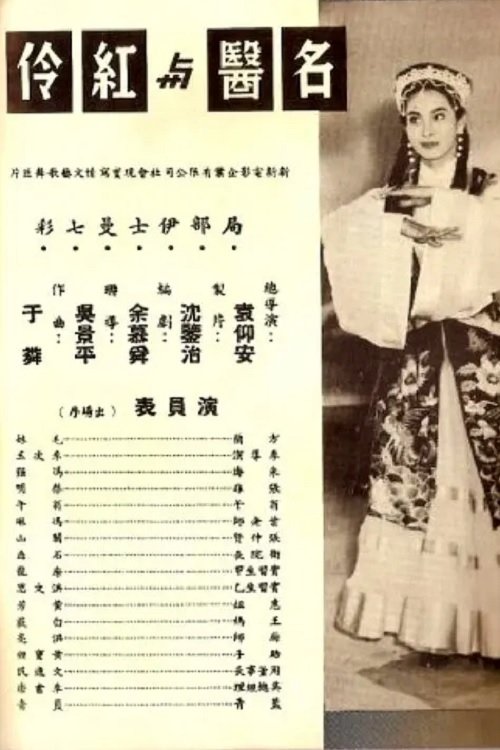
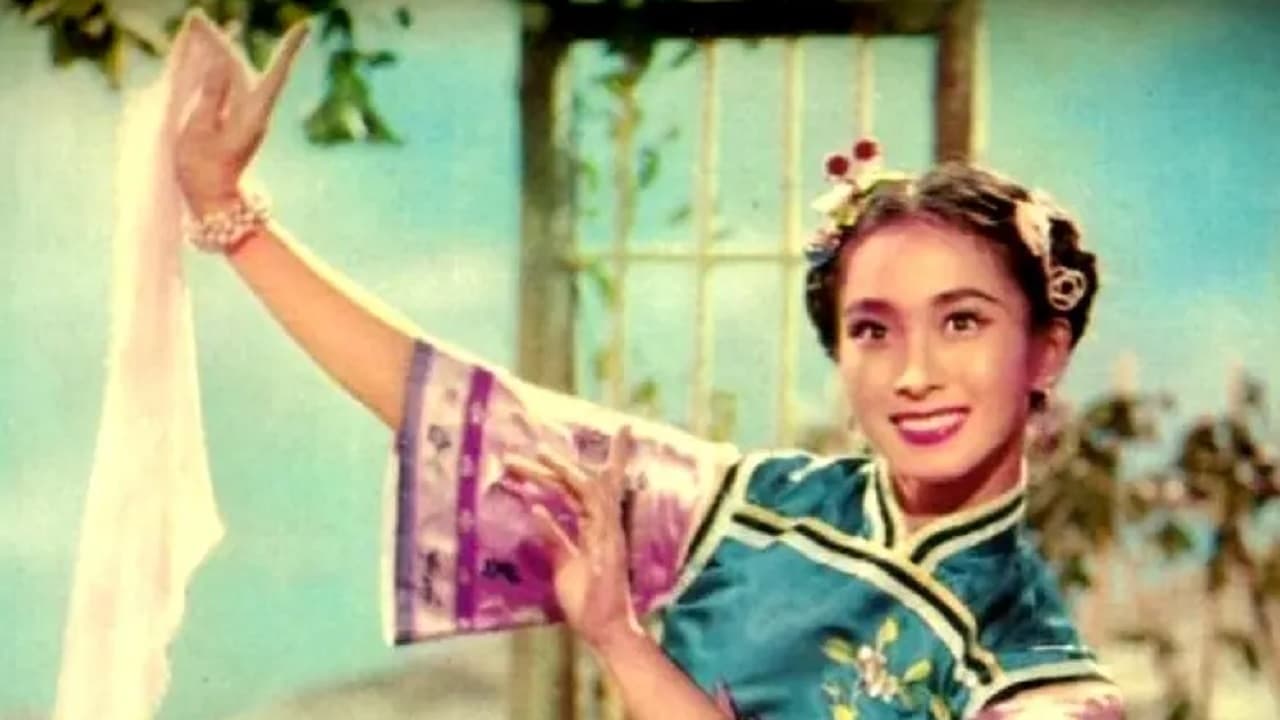
Famous dancer and film actress Fong Nan (Mao Mei) desires both a career and a family after marrying an eminent doctor (Guan Shan), who, however, wants her to be a stay-at-home wife. They are on the brink of divorce when he finds out she secretly rehearses for her dance and movie…Taking inspirations from Hollywood musical films, the movie is beautifully directed and meticulously produced by Yuen Yang-an and his Sun Sun Film Enterprises. While most films at the time usually depict how grassroots people rise above adversity, this one tells the story of a famed actress who thrives for success and never gives up on her artistic ambition. This reflects that women's liberation and employment was a dominating theme in left-wing movies. The finale was shot in Eastman colour negative film, which was rare before mid-60s given the limited technical resources in Hong Kong film industry, and thus a valuable record in the city's cinematic history.
Director
Screenplay
Status
Released
Original Language
ZH
In a suburban landscape, the lives of several families interlace with loss, despair and personal crisis. Esther Gold has lost focus on all but caring for her comatose son, Paul, and neglects her daughter and husband. Lawyer Jim Train is devoted to his career, not his family. Helen Christianson wants to find a new spark in life, while Annette Jennings tries to rebuild hers.