
User Score
1 votes
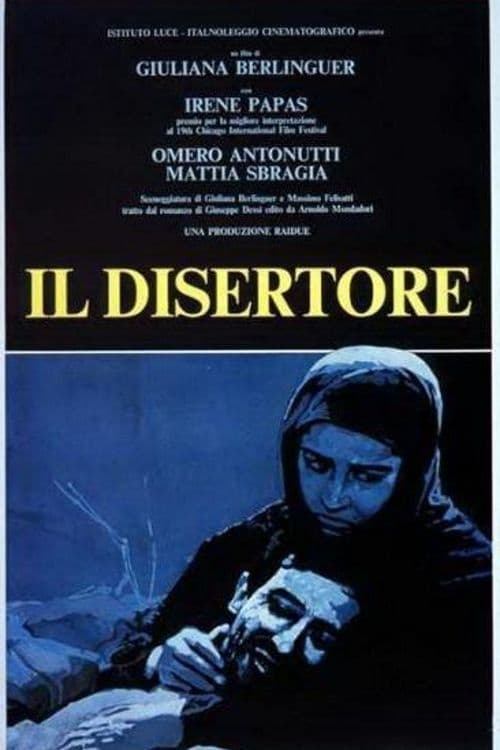
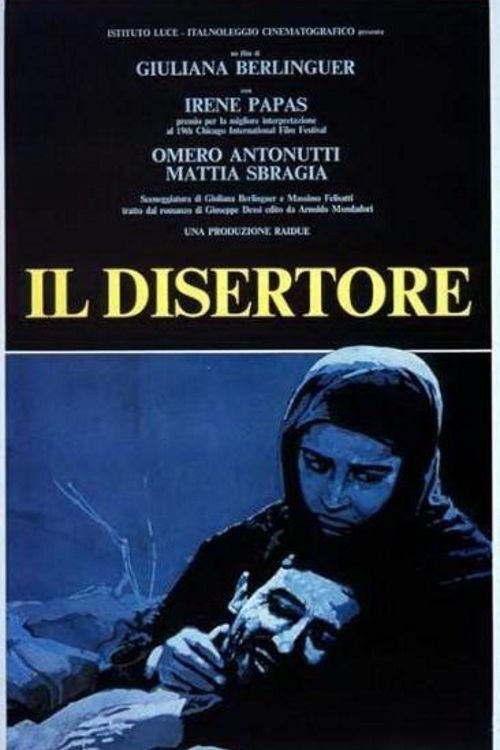
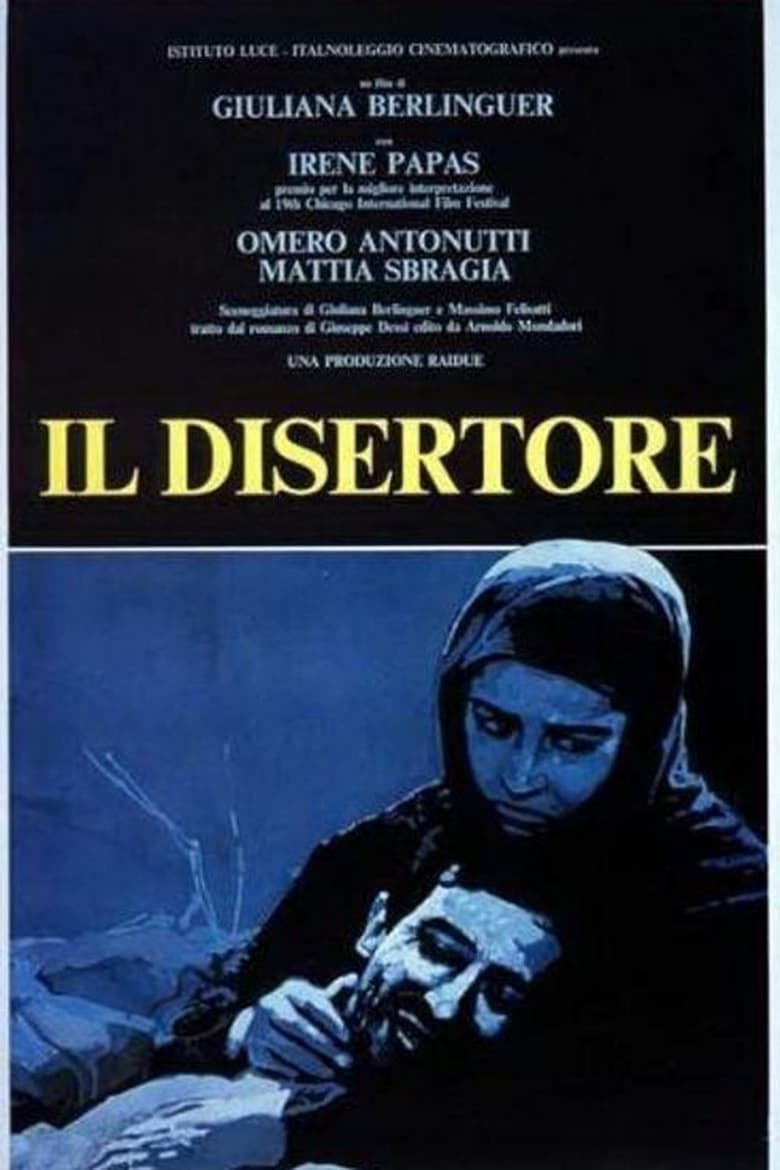
In this tragic story that has an unrealized potential to tug at the emotions, a woman in mourning for her two sons lost in World War I is the only one in her village determined to financially support a war memorial. The village poor have too little money, and the richer are tight-fisted. She has given a whole 15 years of savings -- yet the good priest, for whom she works as a maid, is not enthusiastic about her action because he is worried that the memorial will not remind the villagers of past horrors and suffering but disguise the human cost of war in rhetoric. As the memorial's advocates begin to sustain the day, flashbacks show how the woman's youngest son shot his captain, deserted the army, and came to die of fever while in his mother's care. The priest helped her as much as possible, yet he feels compelled to tell the authorities that her son was a deserter.
Status
Released
Original Language
IT
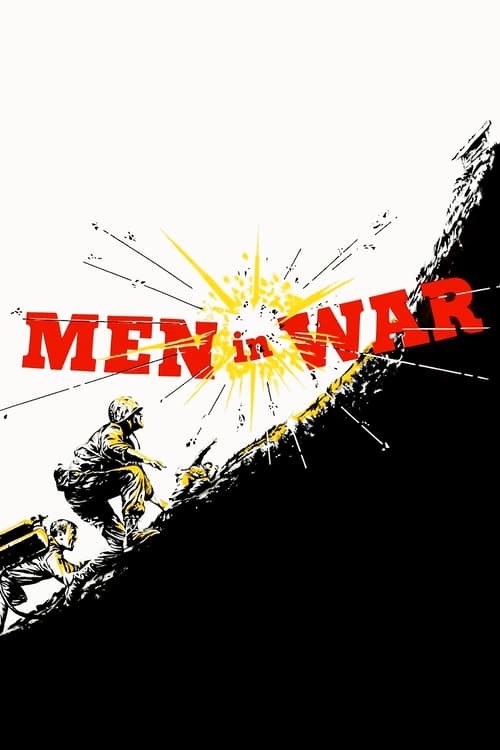
In Korea, on 6 September 1950, Lieutenant Benson's platoon finds itself isolated in enemy-held territory after a retreat. Soon they are joined by Sergeant Montana, whose overriding concern is caring for his catatonic colonel. Benson and Montana can't stand each other, but together they must get the survivors to Hill 465, where they hope the division is waiting. It's a long, harrowing march, fraught with all the dangers the elusive enemy can summon.