
User Score
1 votes
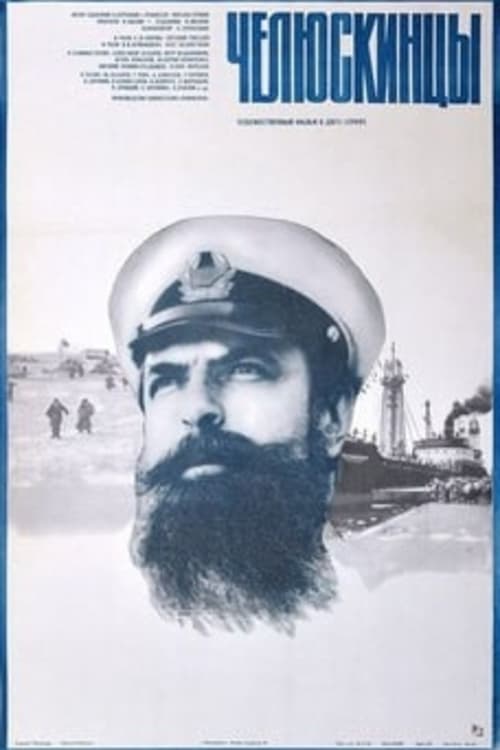
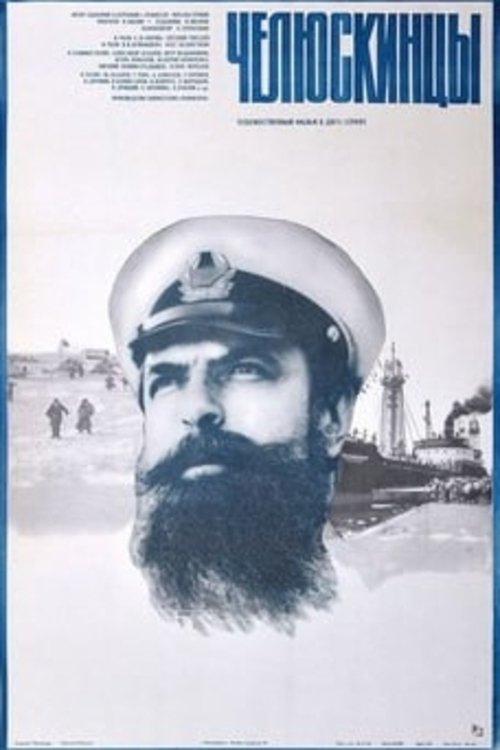
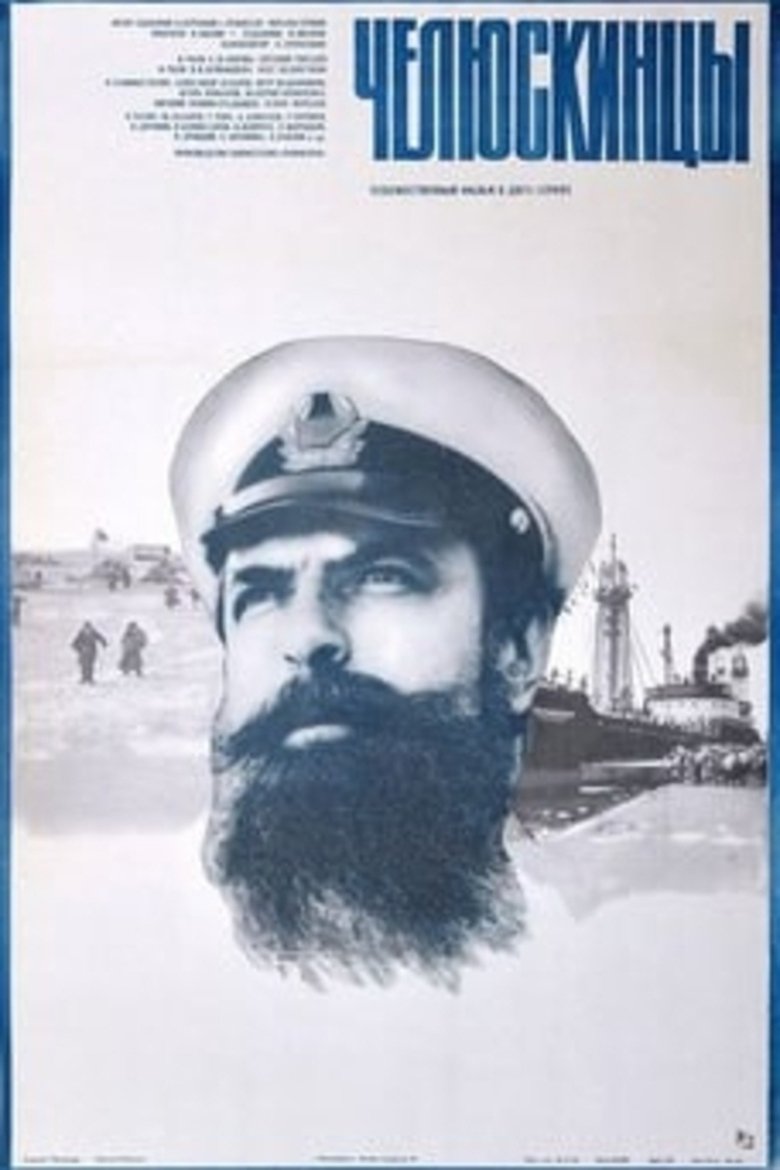
In February 1934, the steamship Chelyuskin was crushed by ice and sank in the Chukchi Sea. The ship's crew and members of the scientific expedition landed on a drifting ice floe, where they remained for two months. How did people live on the ice floe? How did they cope with loneliness and dispel dark thoughts? In addition to work, when the weather was good, they played soccer, volleyball, and town ball. They went on ski trips. They read. They managed to save four books: Pushkin's poems, Longfellow's "The Song of Hiawatha," Hamsun's "Pan," and the third volume of Sholokhov's "Quiet Don." We reminisced about our former lives, watched the northern lights, fought illness, dreamed, froze... In the evenings, we listened to a precious Marlene Dietrich record—we managed to save the gramophone, but only with two records. We published a wall newspaper called "We Will Not Surrender." They tried to be witty, played pranks. They created a choir...
Director
Writer
Status
Released
Original Language
RU
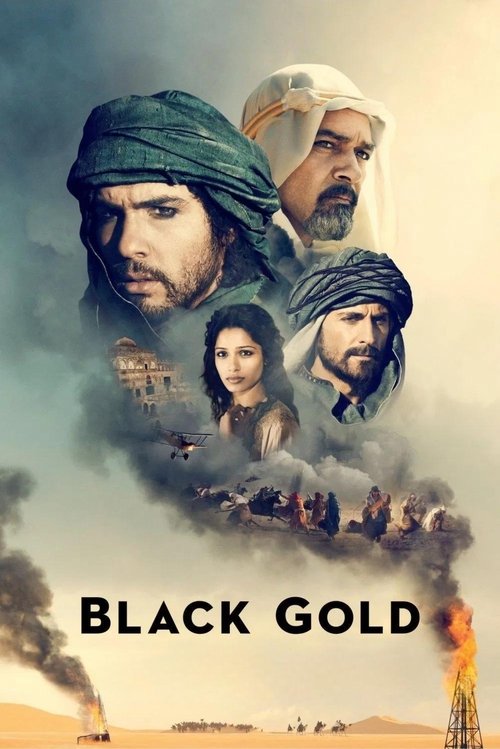
On the Arabian Peninsula in the 1930s, two warring leaders come face to face. The victorious Nesib, Emir of Hobeika, lays down his peace terms to rival Amar, Sultan of Salmaah. The two men agree that neither can lay claim to the area of no man’s land between them called The Yellow Belt. In return, Nesib adopts Amar’s two boys Saleeh and Auda as a guarantee against invasion. Twelve years later, Saleeh and Auda have grown into young men. Saleeh, the warrior, itches to escape his gilded cage and return to his father’s land. Auda cares only for books and the pursuit of knowledge. One day, their adopted father Nesib is visited by an American from Texas. He tells the Emir that his land is blessed with oil and promises him riches beyond his wildest imagination. Nesib imagines a realm of infinite possibility, a kingdom with roads, schools and hospitals all paid for by the black gold beneath the barren sand. There is only one problem. The precious oil is located in the Yellow Belt.