

User Score
1 votes
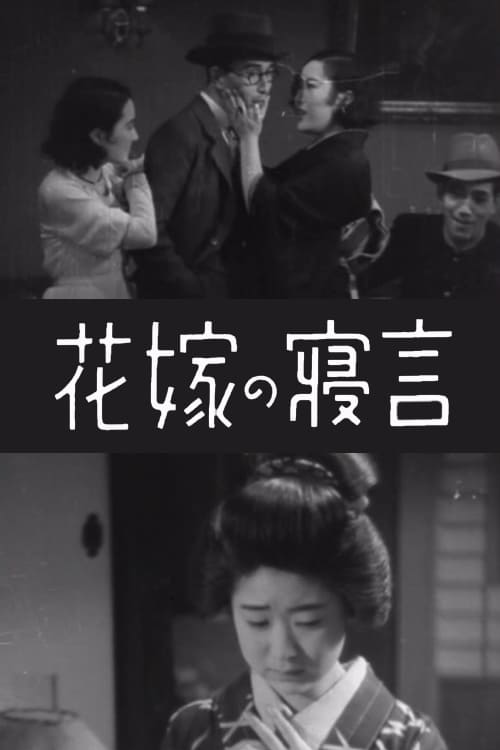
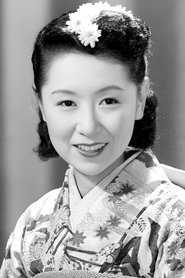
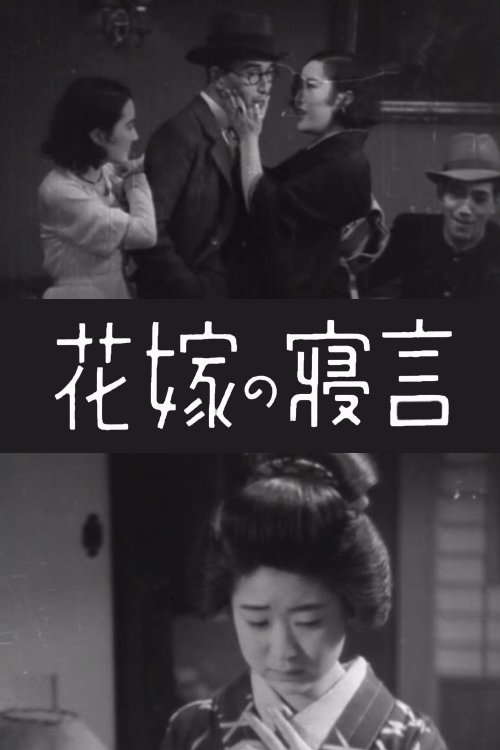
This pair of gentle yet witty and inventive comedies from the director of The Neighbour's Wife and Mine typify both the formal experimentation of early Japanese sound cinema and the social milieux that Shochiku tended to depict. 'Virtually plotless, and feeling more like comic sketches than fully developed stories,' writes Arthur Nolletti, Jr, 'these light comedies, or farces, take a wholly trivial matter (often a socially embarrassing situation) and use it as a springboard for a succession of gags.' Much of the films' distinction comes from the wit of Gosho's direction, the imaginative use of the new sound technology and the charm of the acting, particularly of the heroines (Kinuyo Tanaka in Bride; Hiroko Kawasaki in Groom). Yet in both films, Gosho finds room for some shrewd observation of character and environment, subtly exploring the values and assumptions of the suburban petit bourgeoisie.
Director
Writer
Status
Released
Original Language
JA
Natsuko, dancer
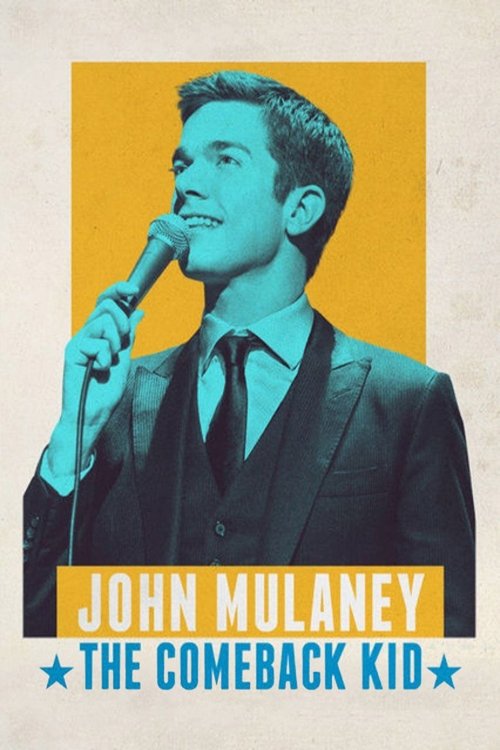
Taking the stage in Washington, D.C., funnyman Bill Burr brings his stinging brand of humor to the spotlight, uncorking a profanity-laced, incisive routine that pokes fun at plastic surgery, reality TV, gold diggers and more.