
User Score
1 votes
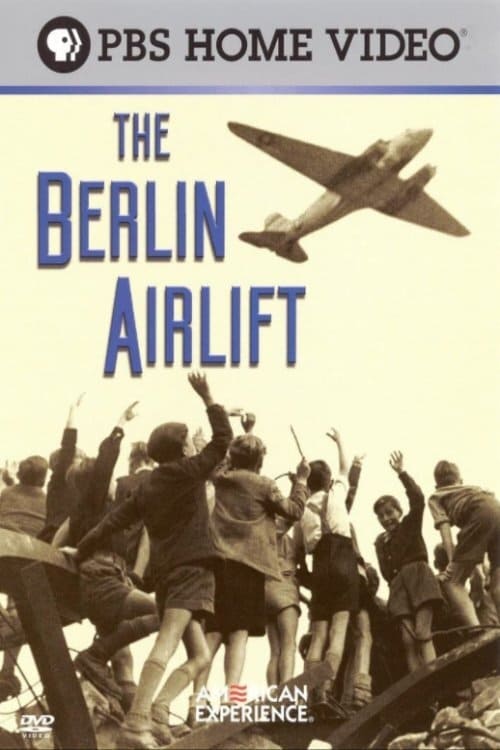
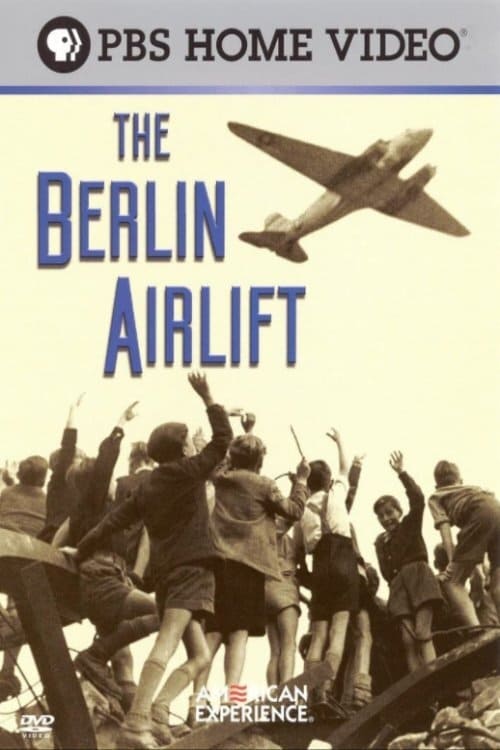
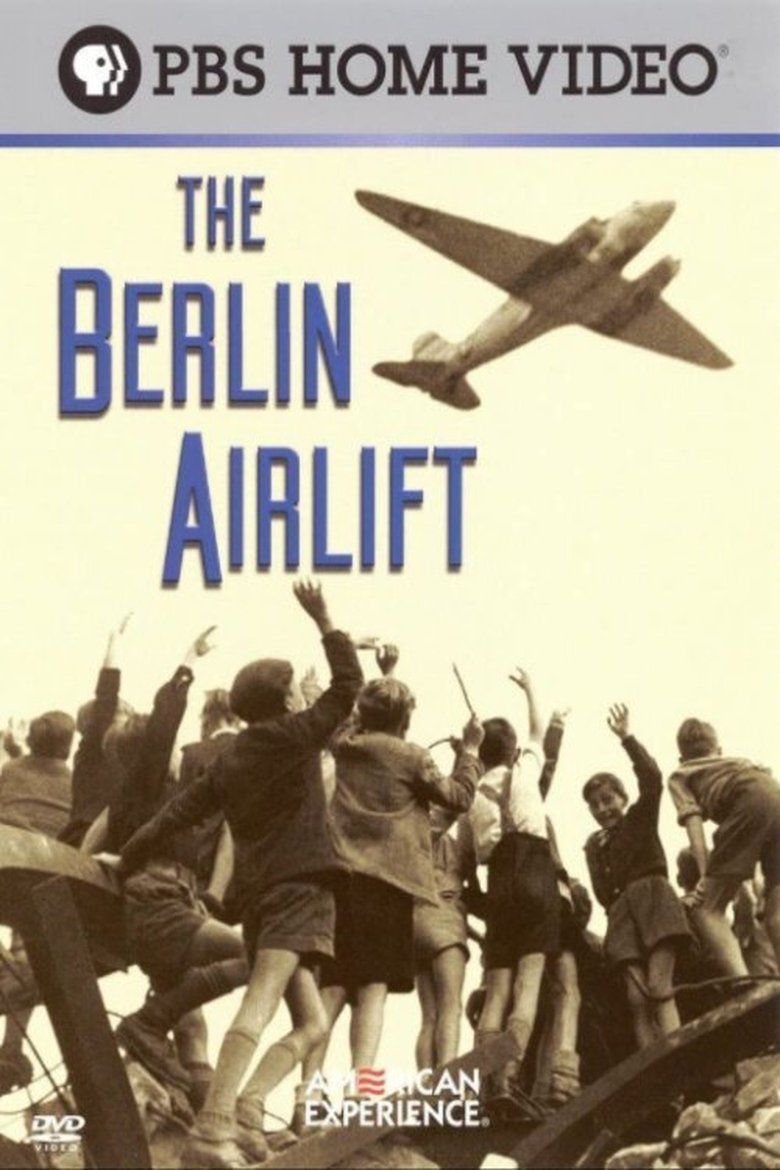
Marking the 50th anniversary of the Berlin Airlift, this documentary looks back on an uneasy time in world history. This first "battle" of the cold war started with the Soviet blockade of Berlin, a move to force the Western Allied powers to abandon their post World War II control of West Berlin. The Soviet blockade included all rail, road and water communications. On June 26, 1948, the United States and Britain began a year-long effort, documented here, to supply West Berlin by air. By July, the Soviet army had increased into 40 divisions - against eight for the West. The blockade ended on May 12, 1949. This is the story of the blockade, told by those involved. They describe the enormous logistical effort to transport some 2.3 million tons of food, fuel and equipment -- a battle the Western powers won. And when it was over, the former Allies formed NATO, the Soviets created the Warsaw Pact, and the Cold War grew even colder.
Director
Status
Released
Original Language
EN
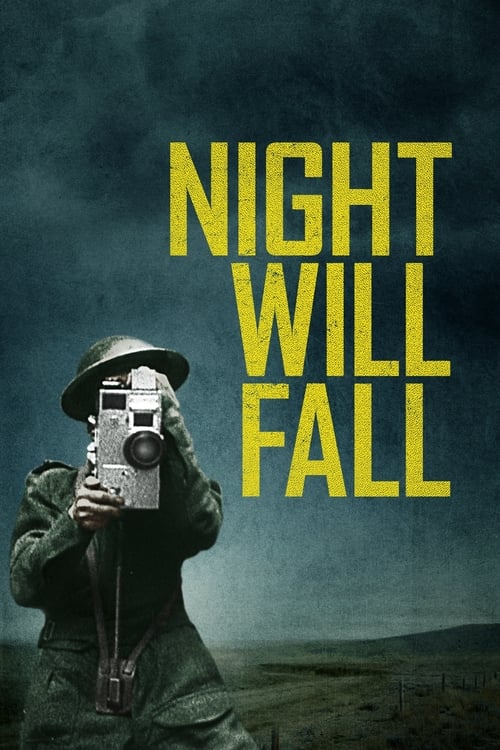
When Allied forces liberated the Nazi concentration camps in 1944-45, their terrible discoveries were recorded by army and newsreel cameramen, revealing for the first time the full horror of what had happened. Making use of British, Soviet and American footage, the Ministry of Information’s Sidney Bernstein (later founder of Granada Television) aimed to create a documentary that would provide lasting, undeniable evidence of the Nazis’ unspeakable crimes. He commissioned a wealth of British talent, including editor Stewart McAllister, writer and future cabinet minister Richard Crossman – and, as treatment advisor, his friend Alfred Hitchcock. Yet, despite initial support from the British and US Governments, the film was shelved, and only now, 70 years on, has it been restored and completed by Imperial War Museums under its original title "German Concentration Camps Factual Survey".