
User Score
0 votes
Informed by the conviction that film was a means to advocate patriotism, Lai established China Sun Motion Picture Company in the early 1920s. He teamed up with friends to follow Dr Sun, traversing provinces for several years and filming precious historical moments such as Sun's inspection of the country and the Northern Expedition led by Chiang Kai-shek after the death of Sun. Some of those footage was edited into A Page of History, available to the public today, albeit deteriorated and incomplete. The Battle of Shanghai records the famous conflict at the beginning of the war in 1937 when, fervently resisting the invading Japanese army, 800 soldiers defended a warehouse until the very last moment. Shot by Lai and his team at the risk of death, the film is now an invaluable visual document in Chinese modern history.
Status
Released
Original Language
ZH
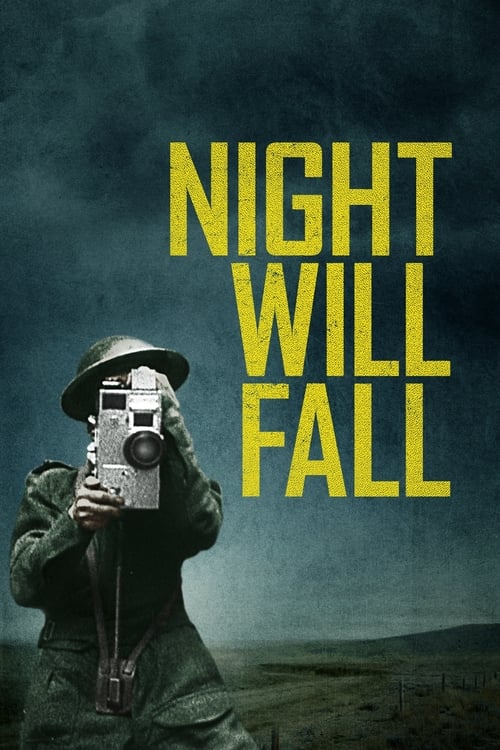
When Allied forces liberated the Nazi concentration camps in 1944-45, their terrible discoveries were recorded by army and newsreel cameramen, revealing for the first time the full horror of what had happened. Making use of British, Soviet and American footage, the Ministry of Information’s Sidney Bernstein (later founder of Granada Television) aimed to create a documentary that would provide lasting, undeniable evidence of the Nazis’ unspeakable crimes. He commissioned a wealth of British talent, including editor Stewart McAllister, writer and future cabinet minister Richard Crossman – and, as treatment advisor, his friend Alfred Hitchcock. Yet, despite initial support from the British and US Governments, the film was shelved, and only now, 70 years on, has it been restored and completed by Imperial War Museums under its original title "German Concentration Camps Factual Survey".
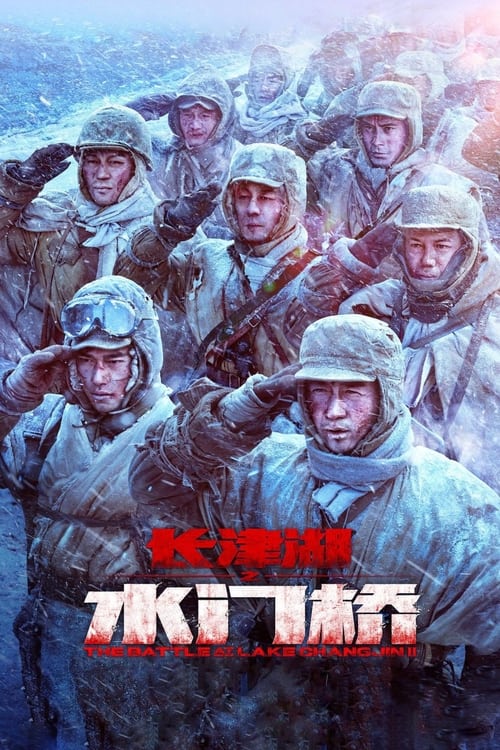
Commander Wu Qianli leads the 7th Infantry Company soldiers to Funchilin Pass where they are tasked to destroy a bridge to stop enemy troops from retreating.