

User Score
0 votes
The Atonement is a cinematic experience that depicts a lonely man faced with the failure of all consolation. Job is no longer the biblical patient, but a young, unkempt body that traverses bare and claustrophobic places as if they were psychic thresholds. Each environment is a fragment of consciousness that is consumed, a remnant of faith that has survived the collapse of all theodicy. In the film, the protagonist, realizes that no justice will come from above, nor from the community, nor from a shared moral order. If guilt cannot be redeemed, then it must be paid for. The Atonement becomes a self-imposed gesture, not a ritual expiation, but a real act of flesh and blood, of presumed justice inflicted on the world and on God in a desperate attempt to restore balance to the world when all is silent.
Status
Released
Original Language
IT
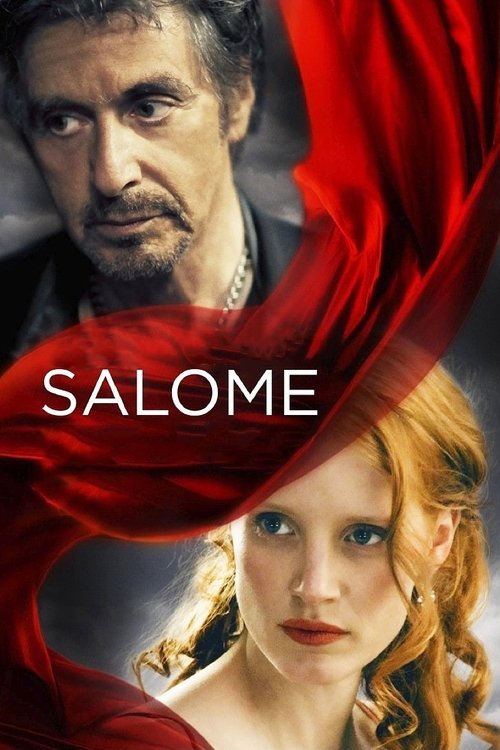
After the lewd and frenetic Dance of the Seven Veils, and with the solemn pledge from the very lips of Herod himself that she could have whatever her heart desires up to half his kingdom, wanton and proud young Salomé comes before her king with an unreasonable demand. Beguiled by John the Baptist, and then scorned for the sake of his god, lascivious Salomé—encouraged by her mother, the vindictive, Herodias—commands that John be executed and his head delivered on a silver platter.