
User Score
0 votes
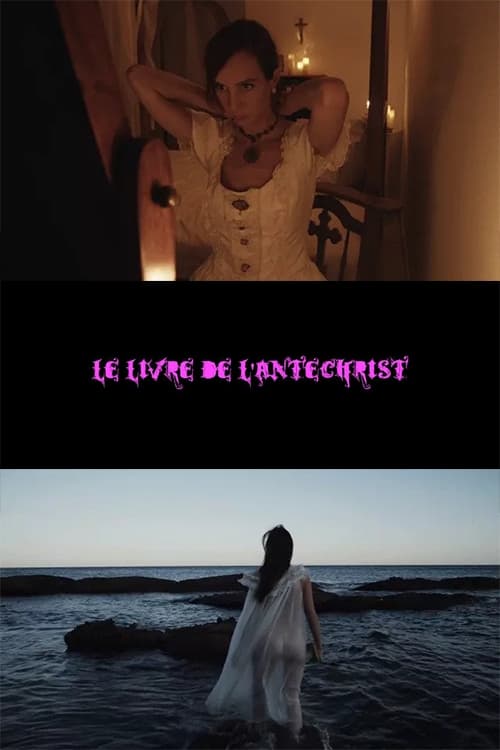
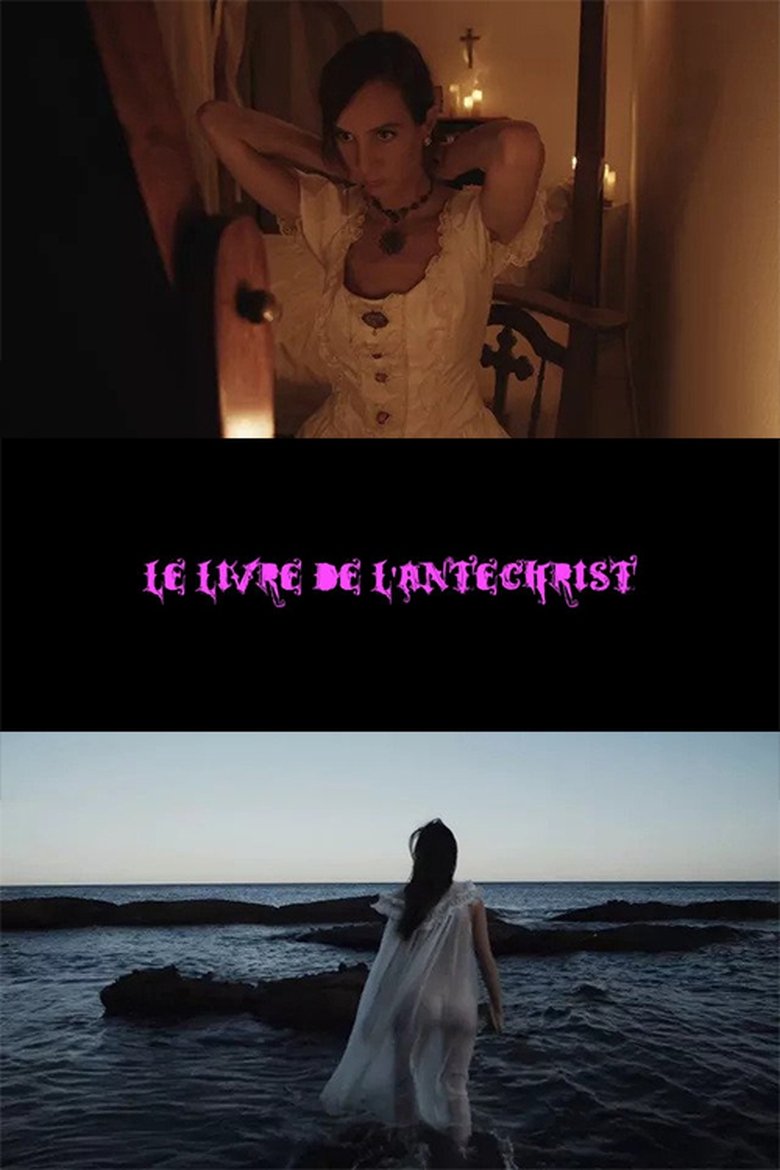
Fascinated as much as terrified, a woman takes refuge in the privacy of her room to secretly read "Discourse against God" by the Marquis de Sade, which she has stolen from her husband's library. The first lines she reads make her aware of the incredibly sulphurous and anticlerical aspect of this book, because in the 18th century, the refusal of God can only be brutal and protestant, a language without limits destined to break up all the prisons of men.
Director
Status
Released
Original Language
ES
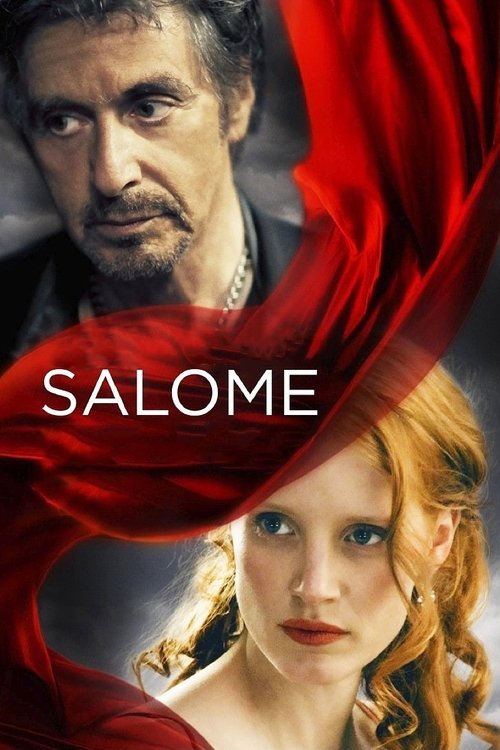
After the lewd and frenetic Dance of the Seven Veils, and with the solemn pledge from the very lips of Herod himself that she could have whatever her heart desires up to half his kingdom, wanton and proud young Salomé comes before her king with an unreasonable demand. Beguiled by John the Baptist, and then scorned for the sake of his god, lascivious Salomé—encouraged by her mother, the vindictive, Herodias—commands that John be executed and his head delivered on a silver platter.