
User Score
0 votes
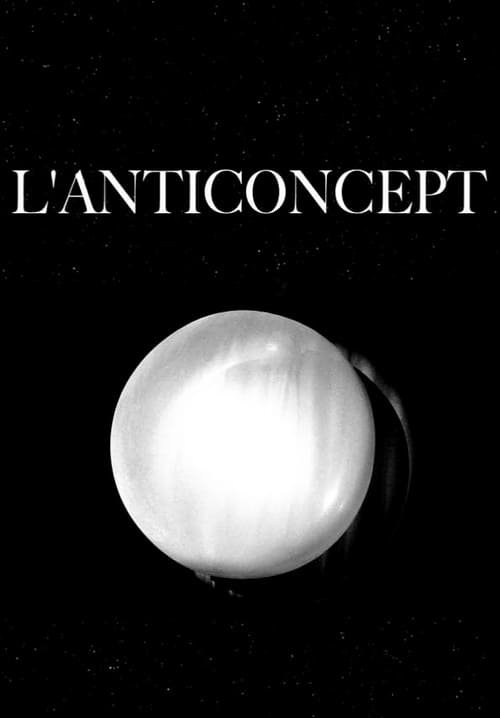
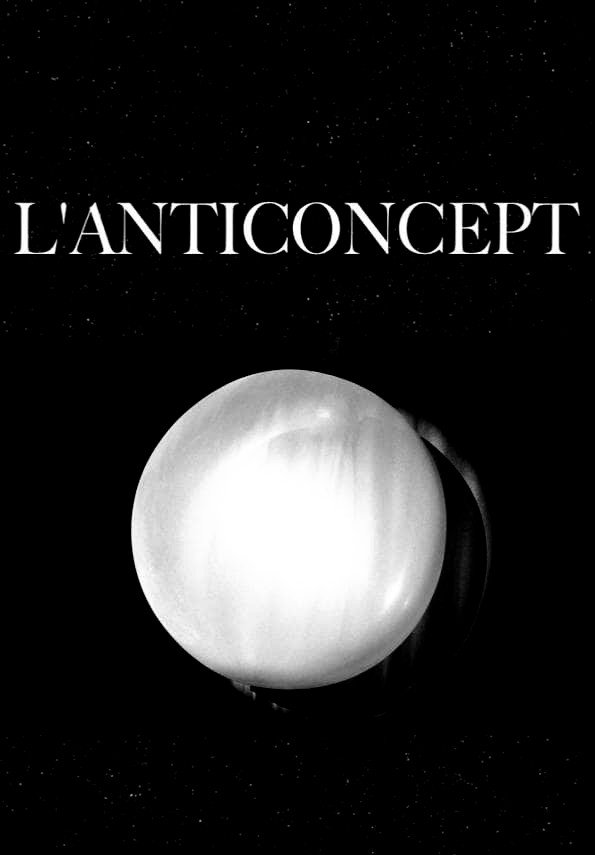
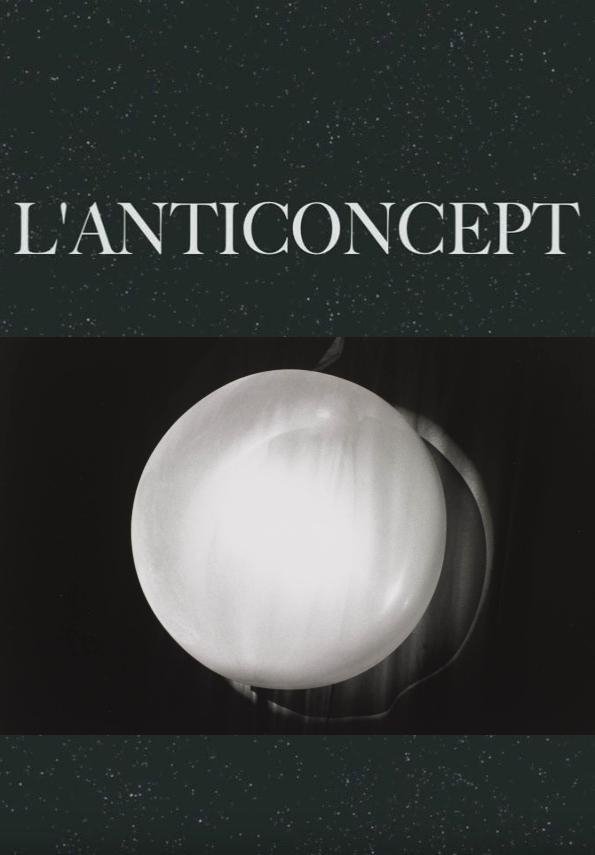
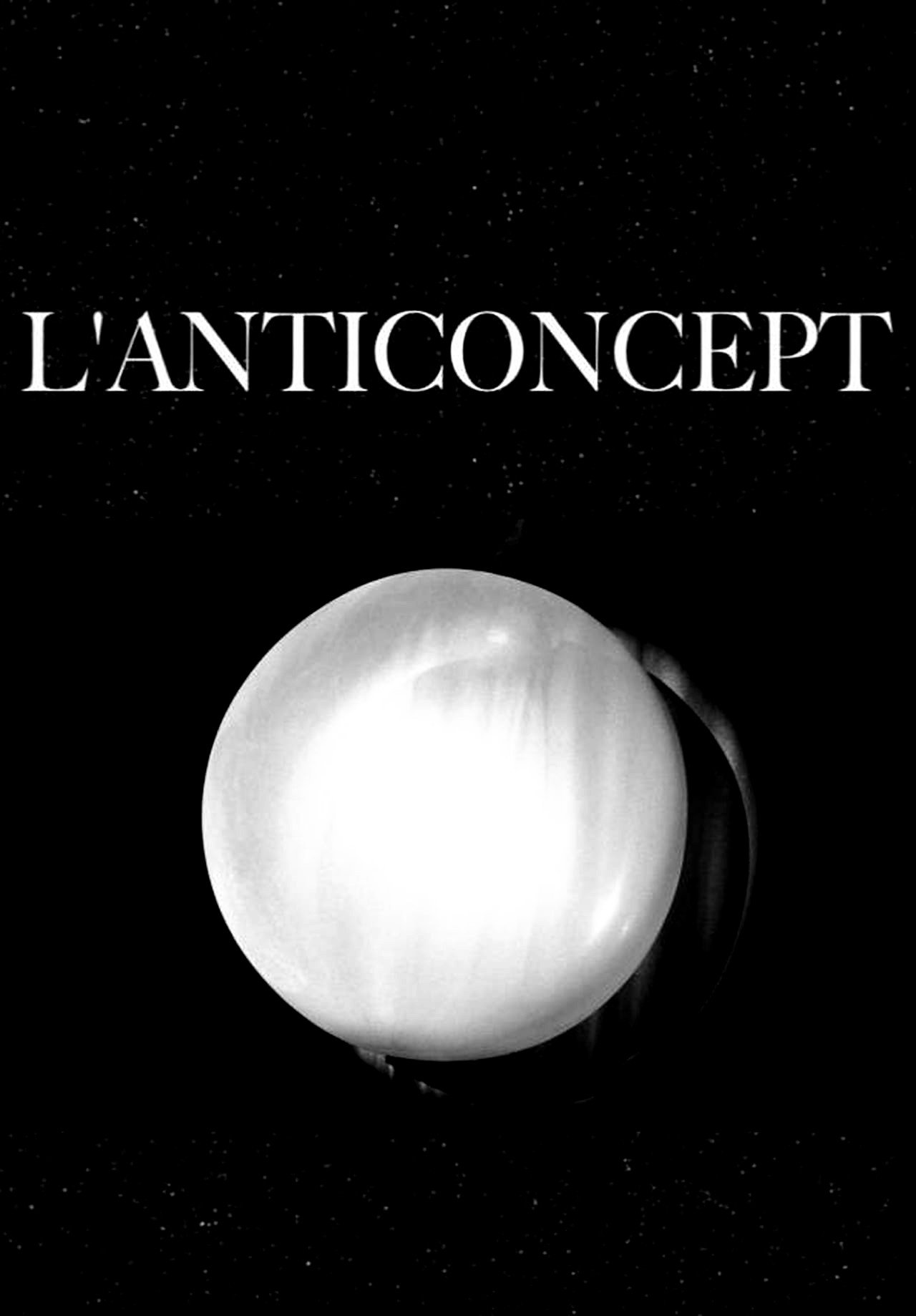
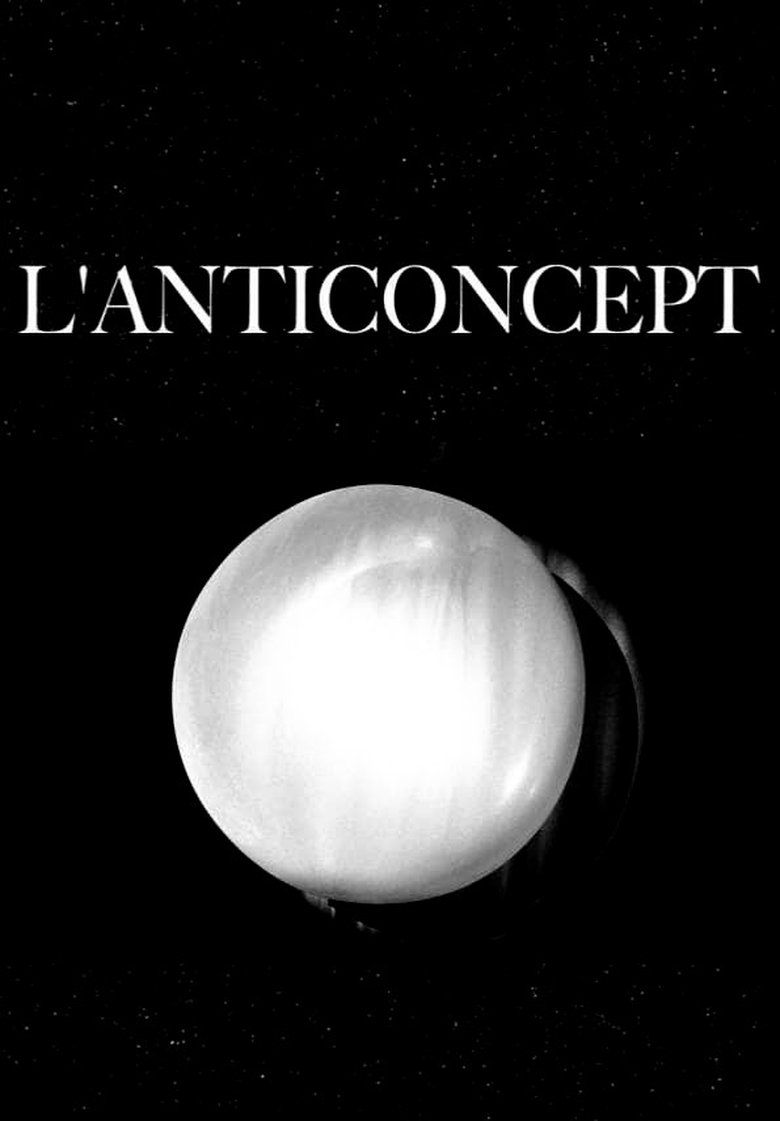
The film was shown for the first time on 11 February 1952 at the 'Avant-Garde 52' cinema club. It consisted of blank illumination projected onto a weather balloon, accompanied by a staccato spoken soundtrack. The film was banned by the French censors on 2 April 1952—when the Letterists visited the Cannes Film Festival the following month, they were forced to restrict the audience to journalists only. The text of the soundtrack was published in the sole issue of the Letterist journal Ion (1952; reprinted Jean-Paul Rocher, 1999), and later reissued in a separate edition augmented with associated texts (Editions Allia, 1994). Ion also included the text of Guy Debord's film Howls for Sade, which was dedicated to Wolman and featured his voice in its own soundtrack.
Director
Writer
Status
Released
Original Language
FR
During the 1982 Cannes Film Festival, Wim Wenders asked a number of global film directors to, one at a time, go into a hotel room, turn on the camera, and answer a simple question: "What is the future of cinema?"