
User Score
24 votes
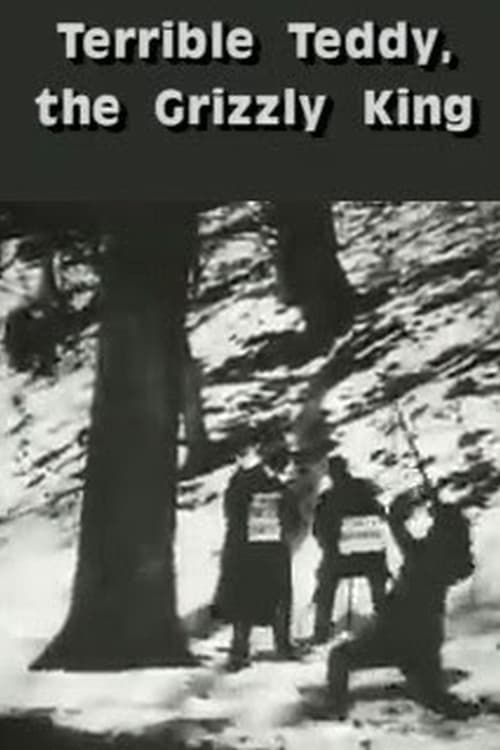
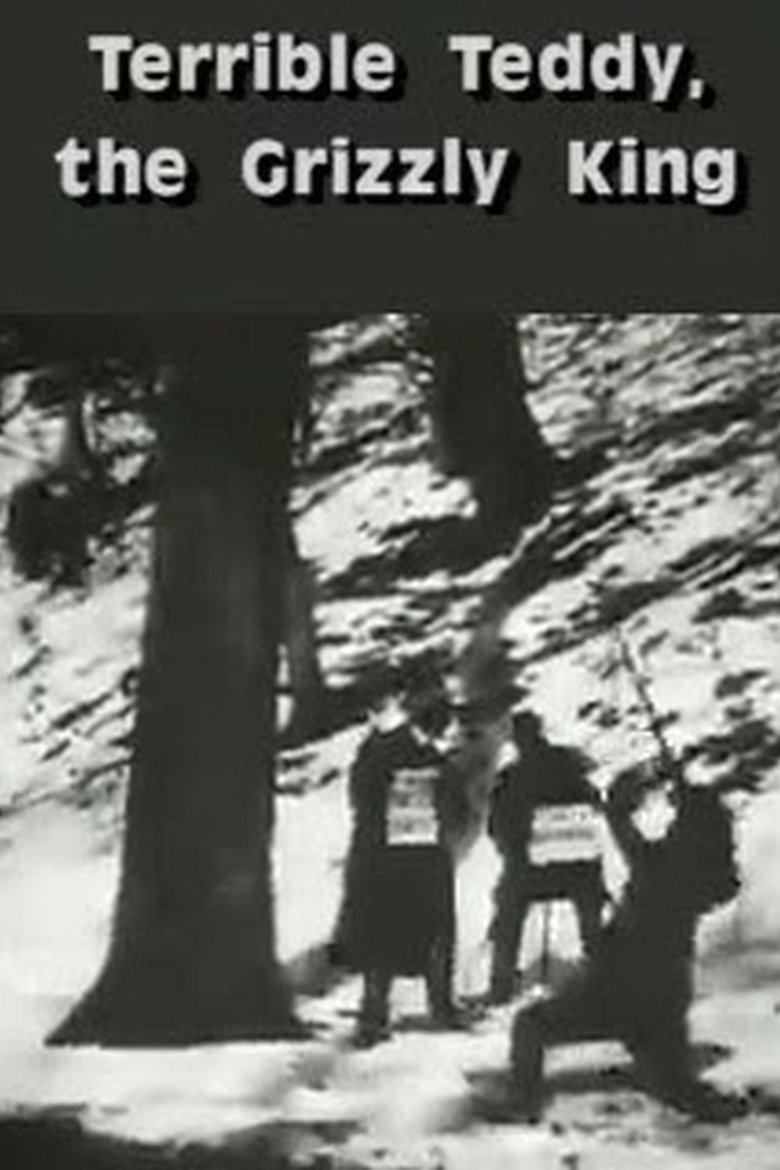
Our presidential hunter runs across the landscape and falls down in the snow, gets up with his rifle, and gazes upward at a treed animal which isn't in the camera's view. He fires a shot into the tree, then leaps on the ground to grab the fallen prey, a domestic cat, finishing it off with wild blows of his hunting knife while his companions, a photographer and a press agent, record the event that will be reported far and wide as a manly moment. Teddy then rides out of the forest followed by two companions afoot, never mind that they all originally arrived afoot. Perhaps it was funnier in its day than it is now, but apparently shooting cats was regarded as funny in those days. The larger point was to use a minor whimsy as a political criticism, in this case of Teddy Roosevelt's easy manipulations of the press. It was based on two frames of a political cartoon that had appeared in the paper a mere week before the film was made.
Director
Status
Released
Original Language
EN
Set against the turbulent backdrop of 1870s Montana, in the moments before the execution of Isaac Broadway, he gives his estranged son, Henry, an impossible task: murder the man who framed him for a crime he didn’t commit. Intent on fulfilling his promise, Henry travels to the remote town of Trinity, where an unexpected turn of events traps him in town and leaves him caught between Gabriel Dove, the town’s upstanding new sheriff, and a mysterious figure named St. Christopher.