
User Score
10 votes
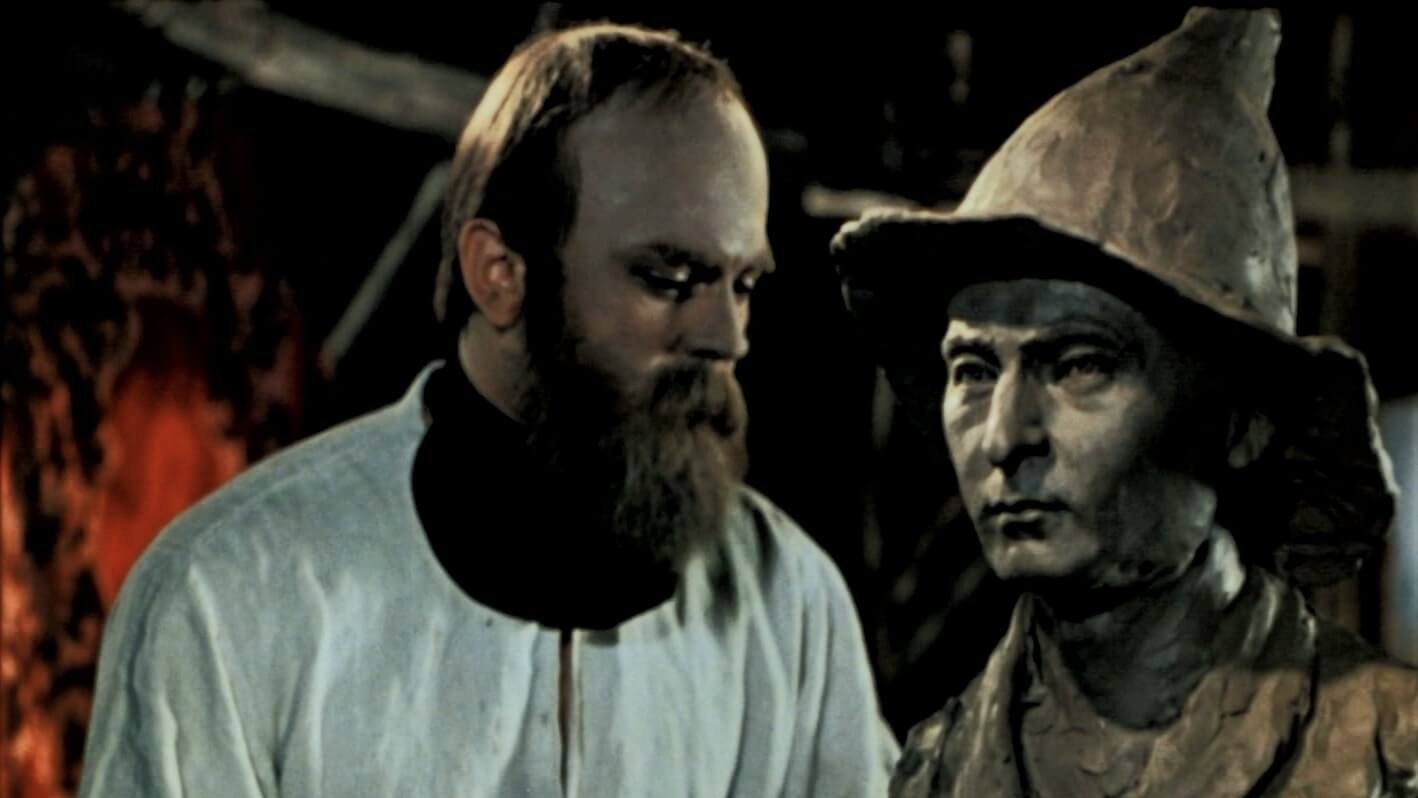
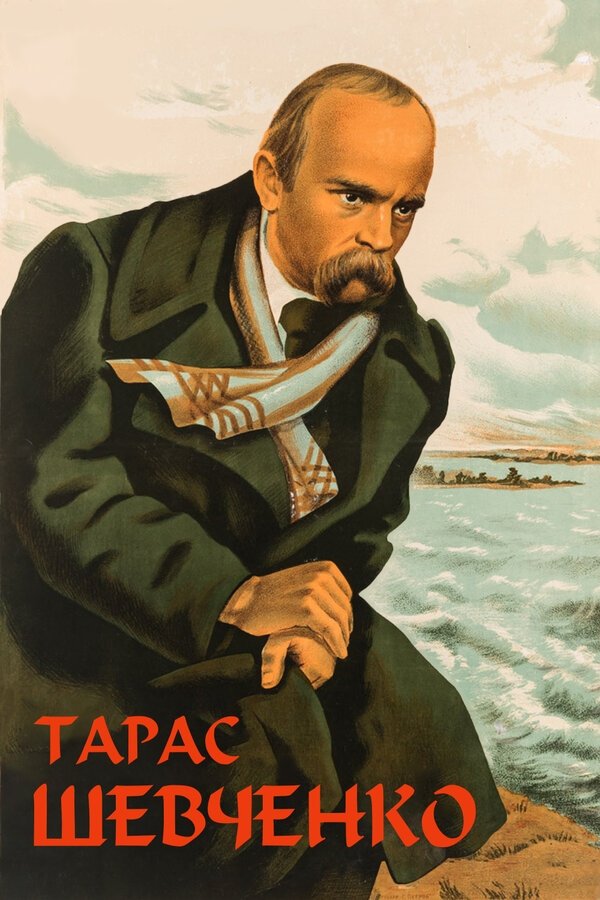
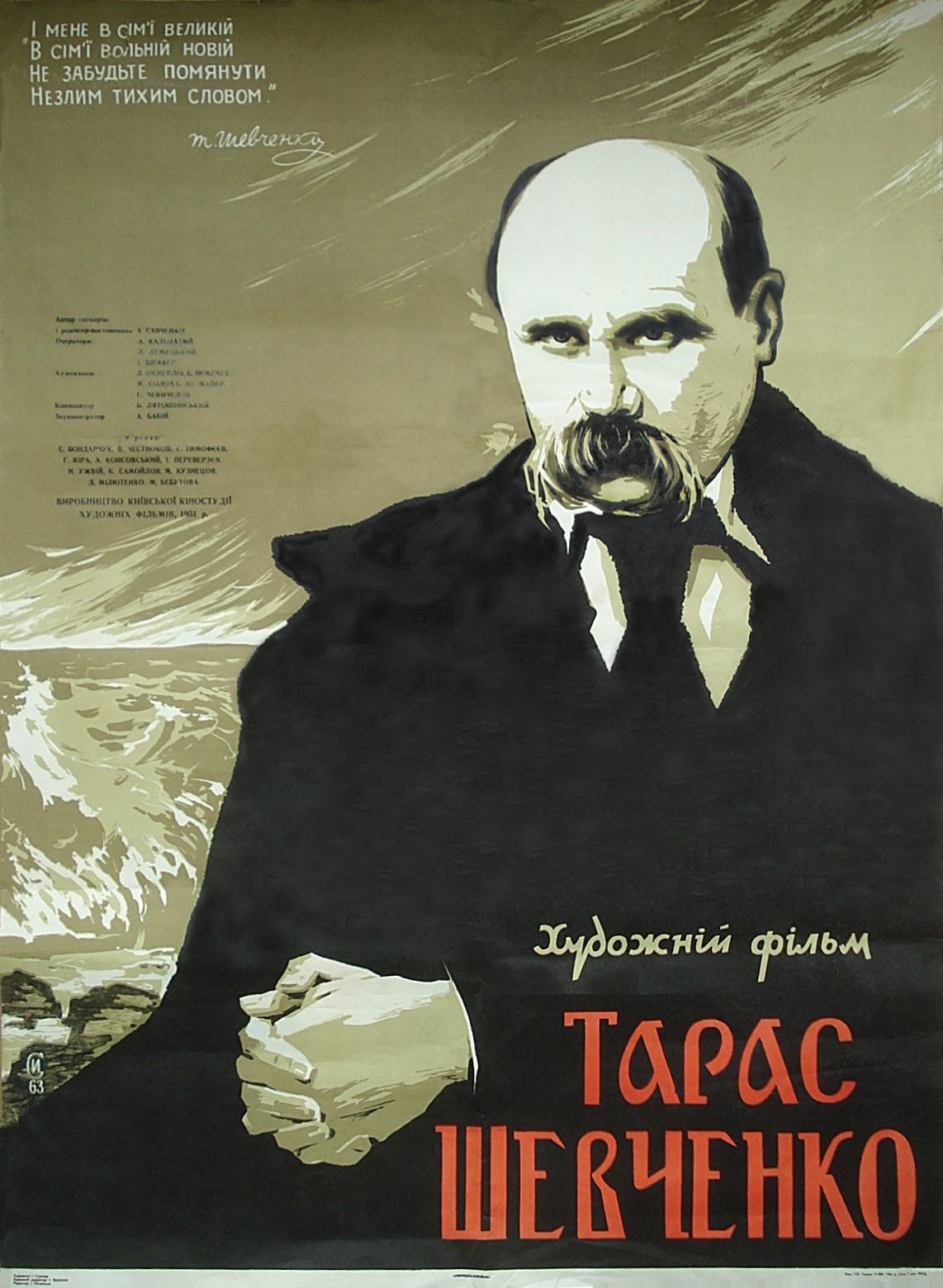
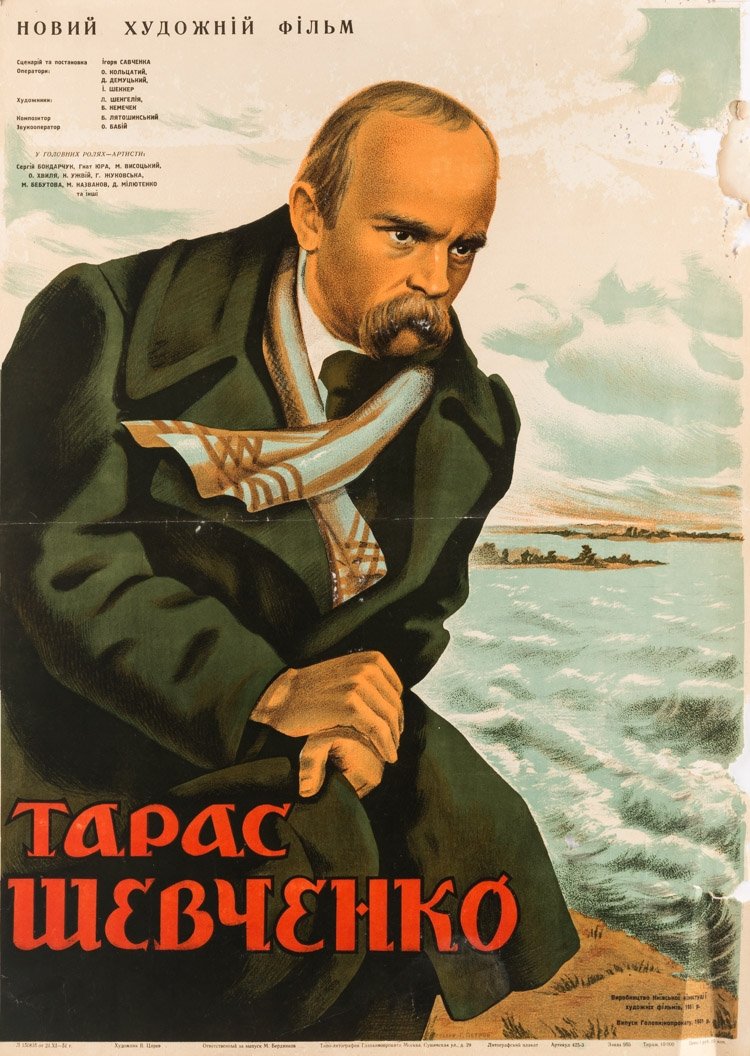
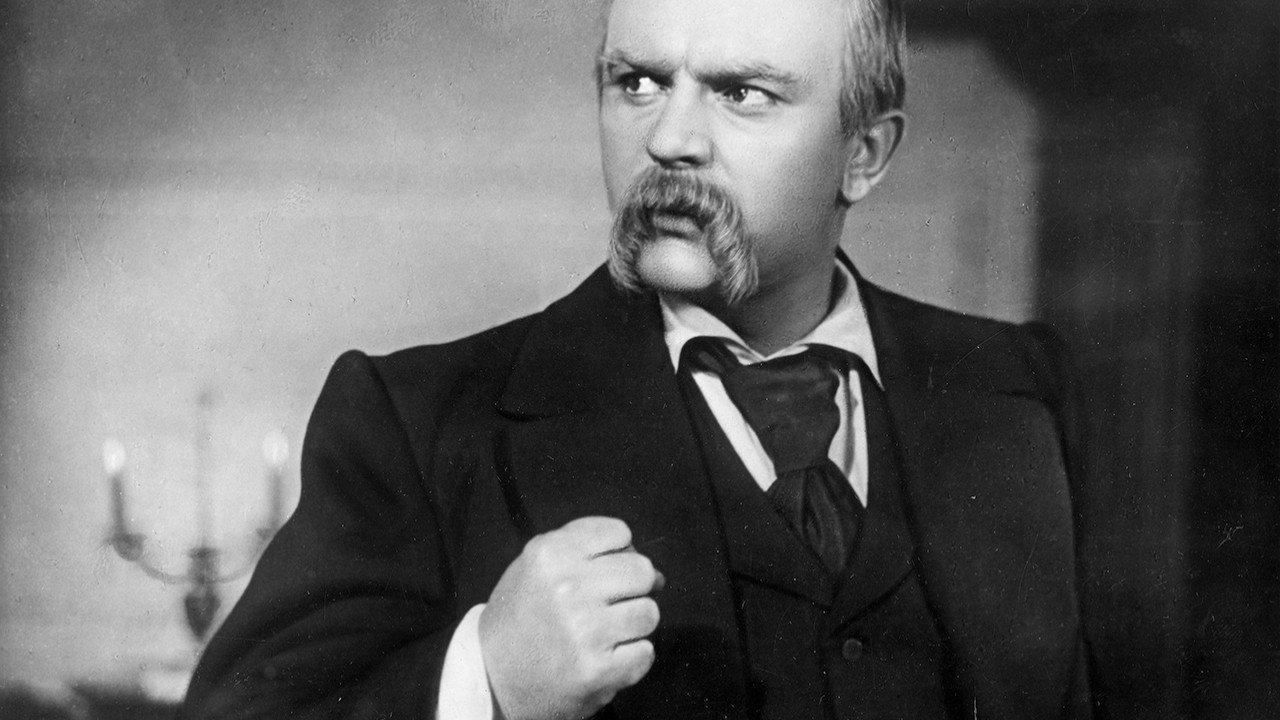
Growing up in a Ukrainian peasant family, knowing all hardships of serf life, young artist and poet Taras Shevchenko in the years of study clearly identifies the meaning of true art, which is to serve the interests of the people. The poems of Shevchenko are imbued with love for the common people. Fiery freedom-loving creativity of Taras Shevchenko is known throughout Russia. Nicholas I exiles the poet to the distant Caspian fort where he is to serve as an ordinary soldier and is banned from writing or drawing. In the poet's difficult days he has the support of Ukrainian soldier Skobelev, Polish revolutionary Sierakowski, captain Kosarev and the commandant of the fortress, Uskov. For the sake of his release Chernyshevsky and Dobrolyubov are hard at work. And so, the sick and aged Shevchenko is finally free. Together with Chernyshevsky and Dobrolyubov, he dreams of a bright future of the motherland, when the Russian and Ukrainian peoples throw off the chains of slavery.
Director
Screenplay
Status
Released
Original Language
RU
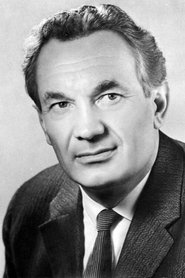
Zygmunt Sierakowski
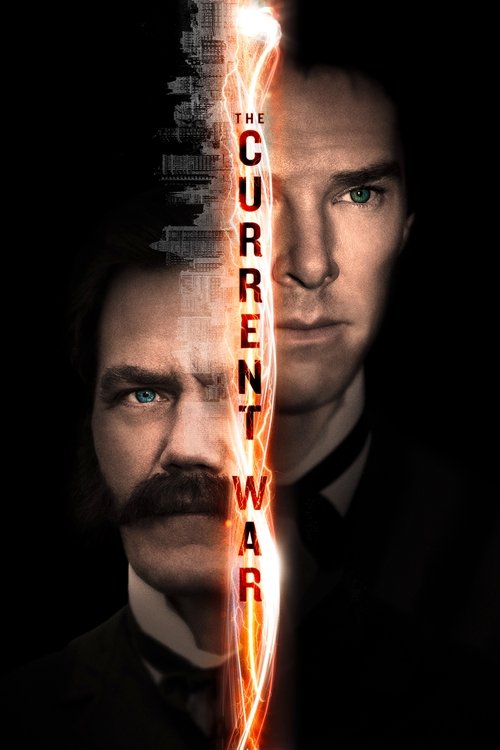
Electricity titans Thomas Edison and George Westinghouse compete to create a sustainable system and market it to the American people.