User Score
5 votes
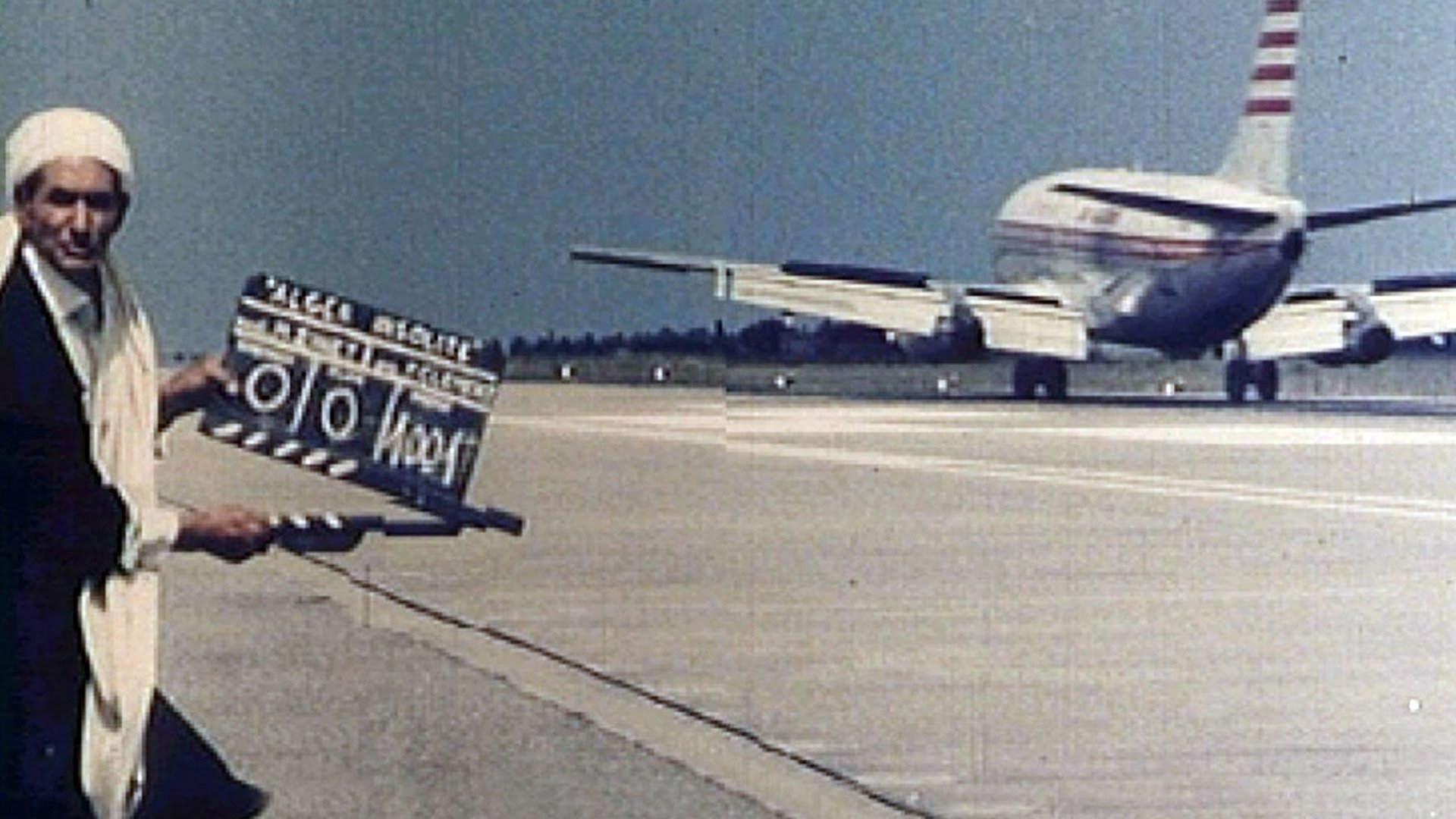
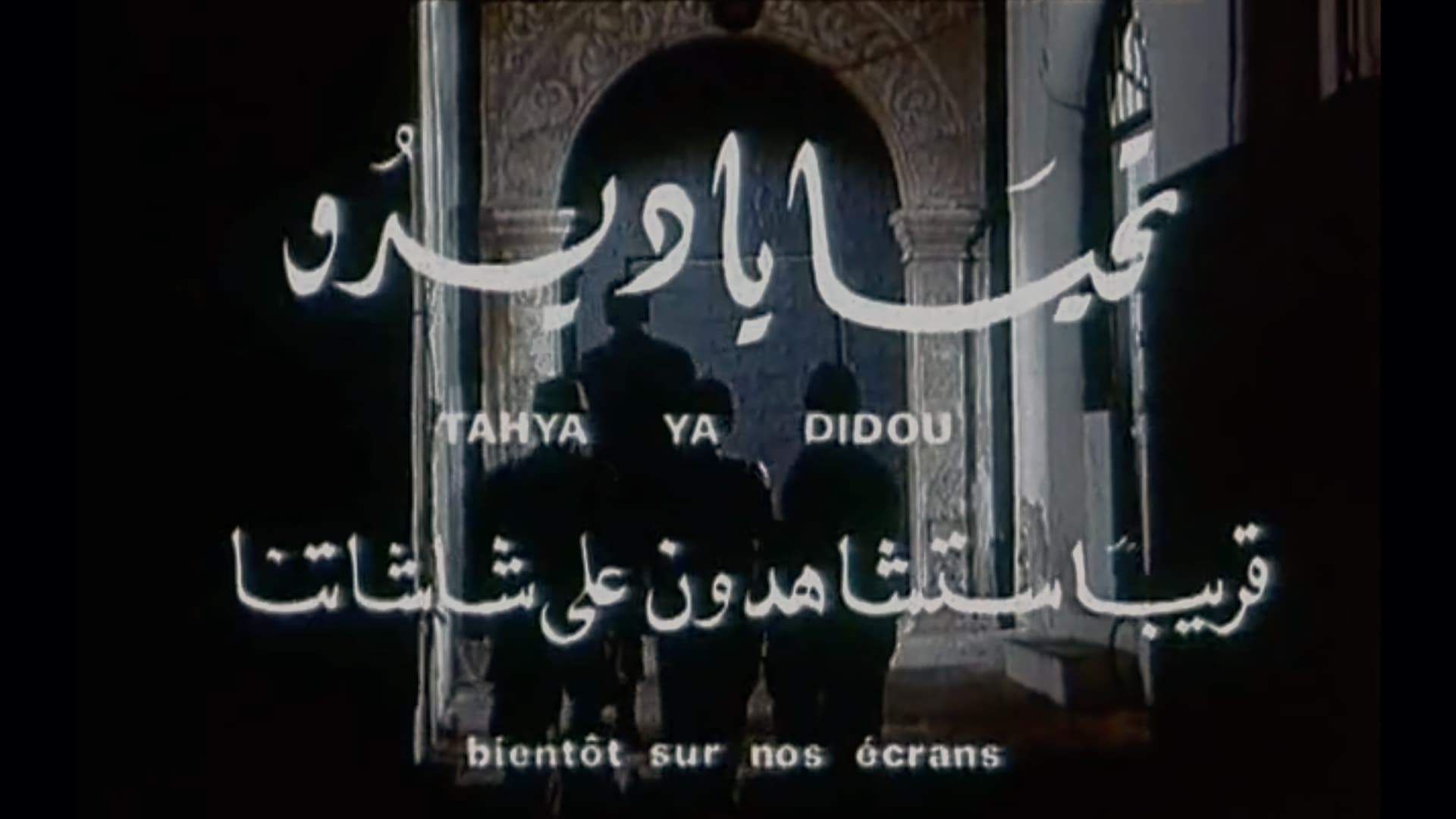
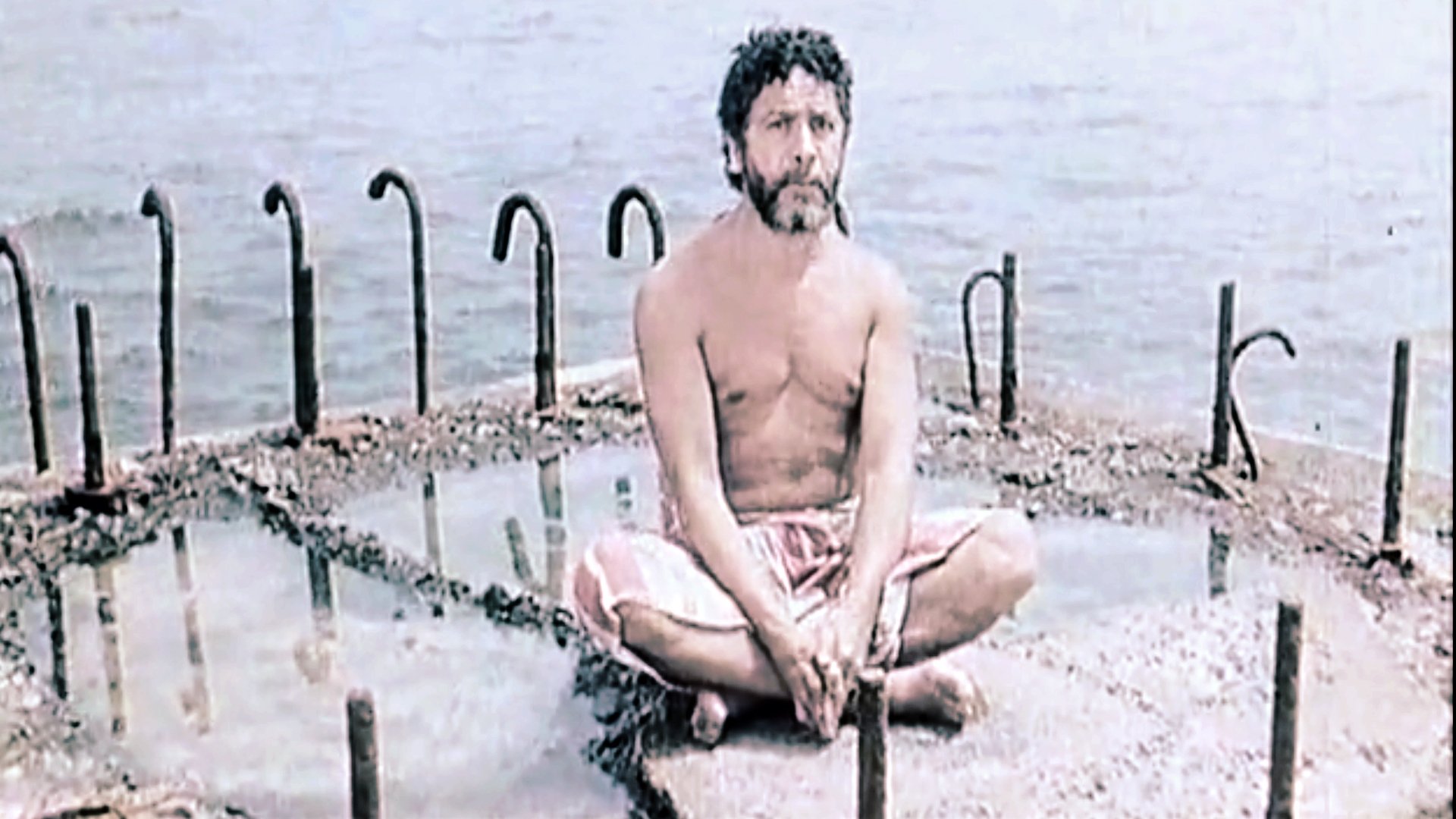
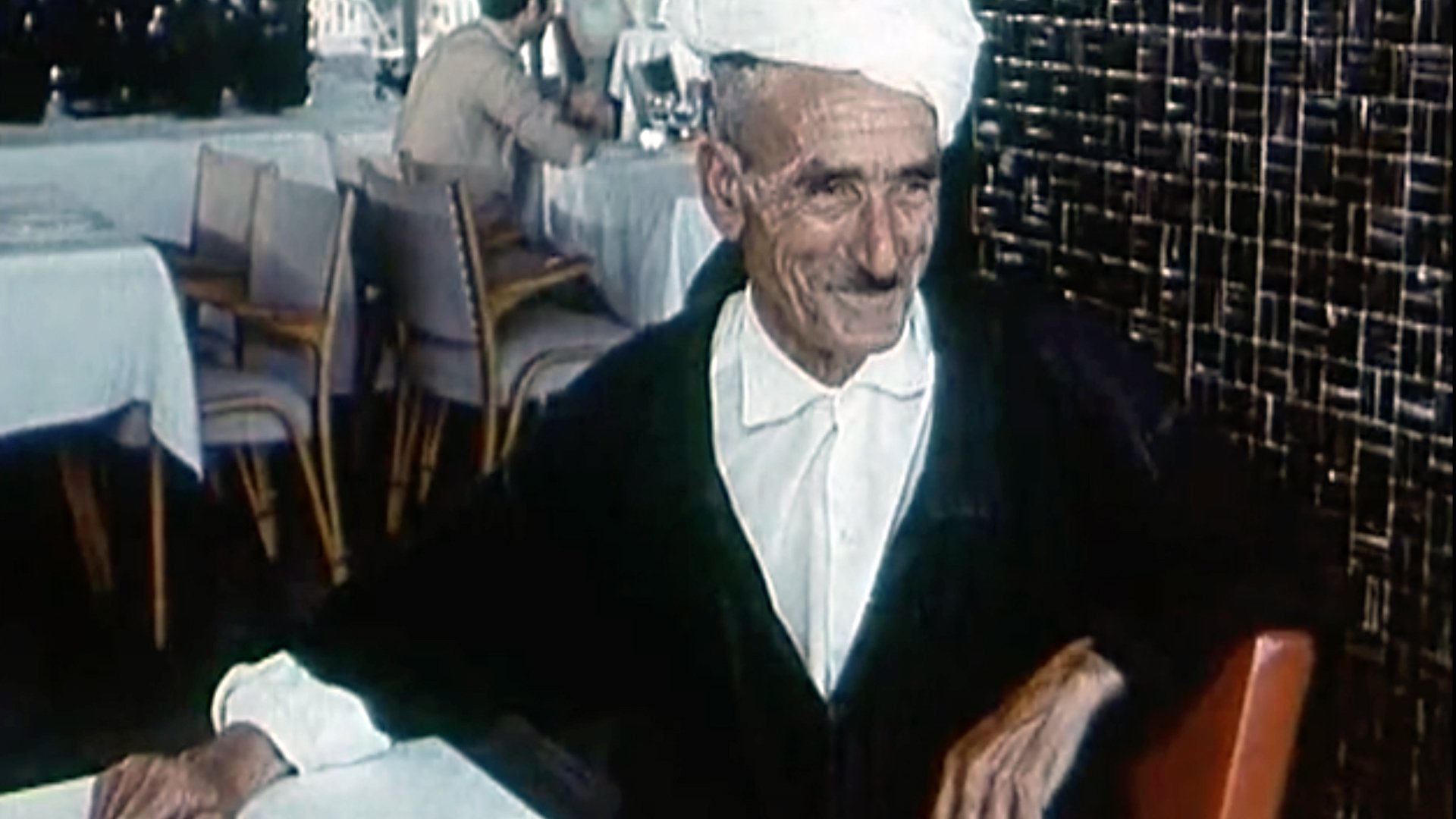
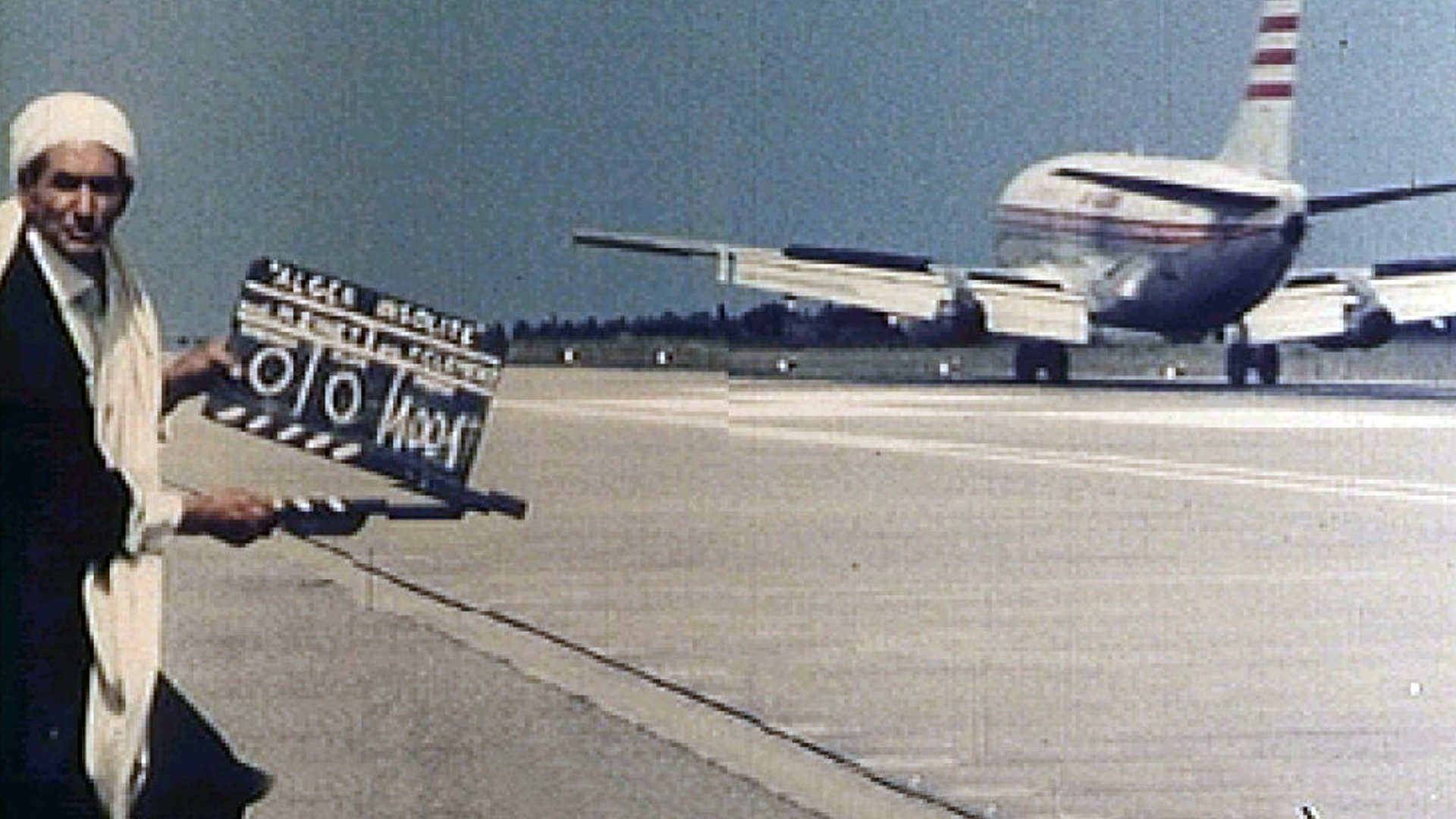
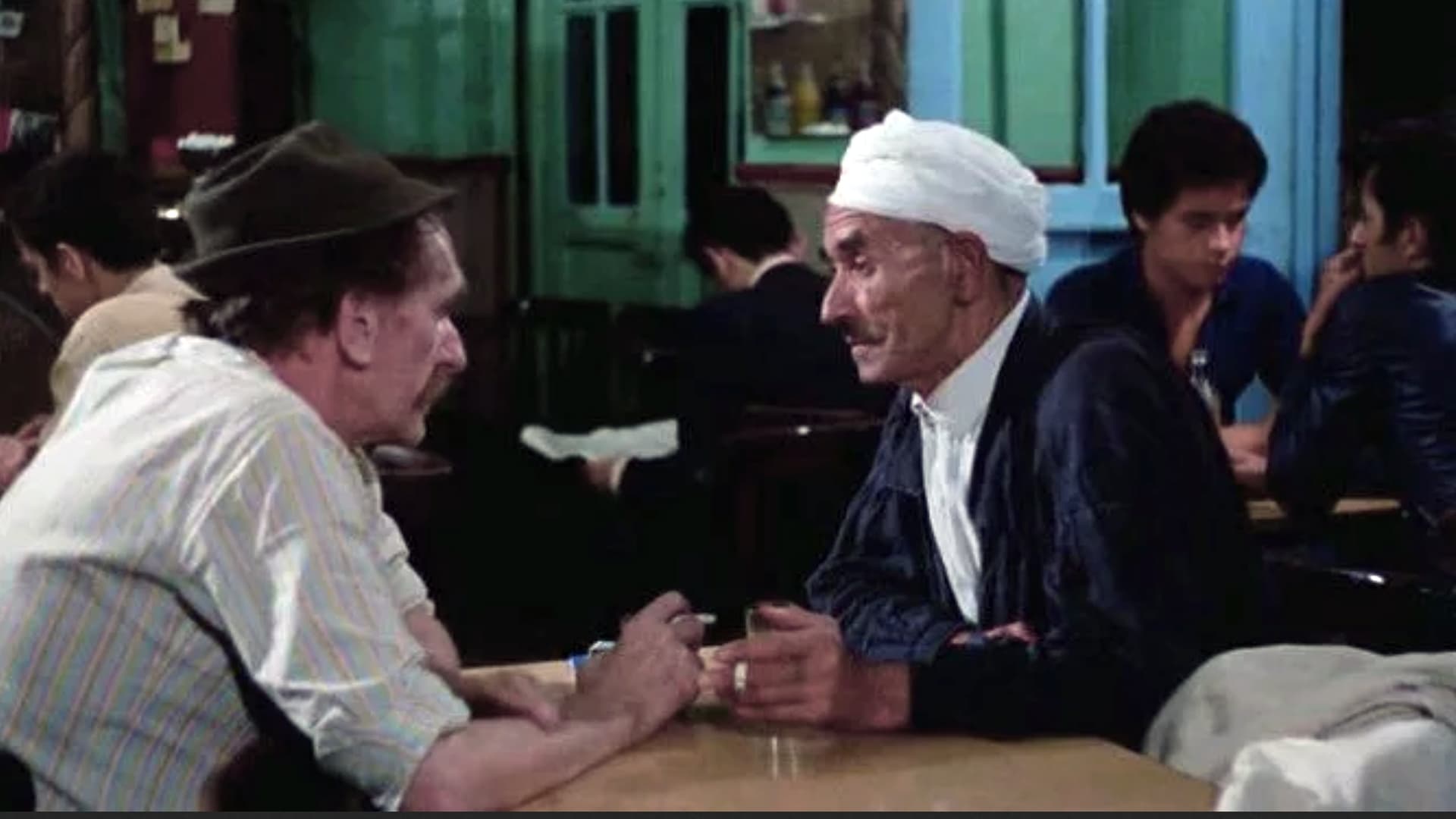
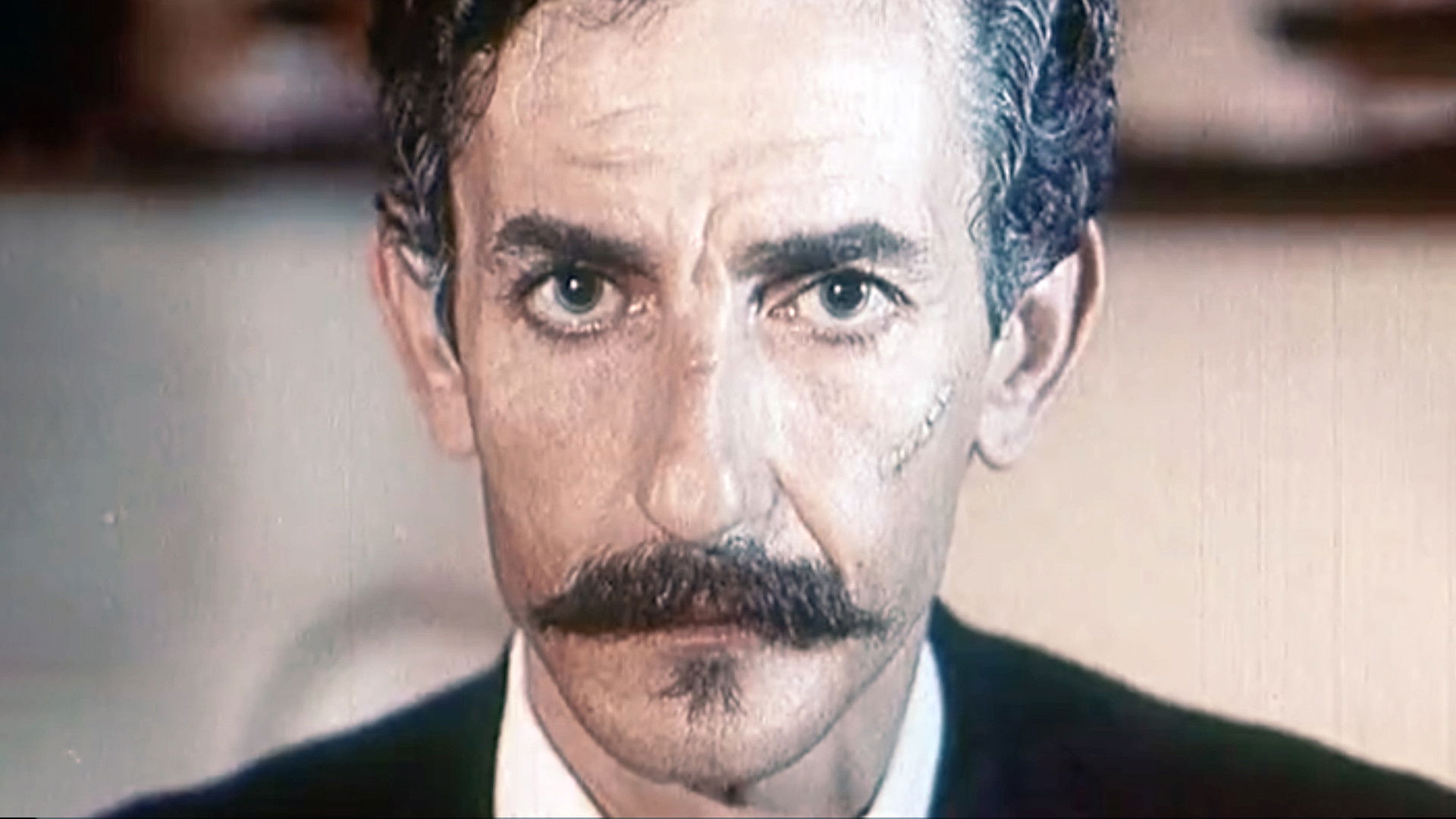
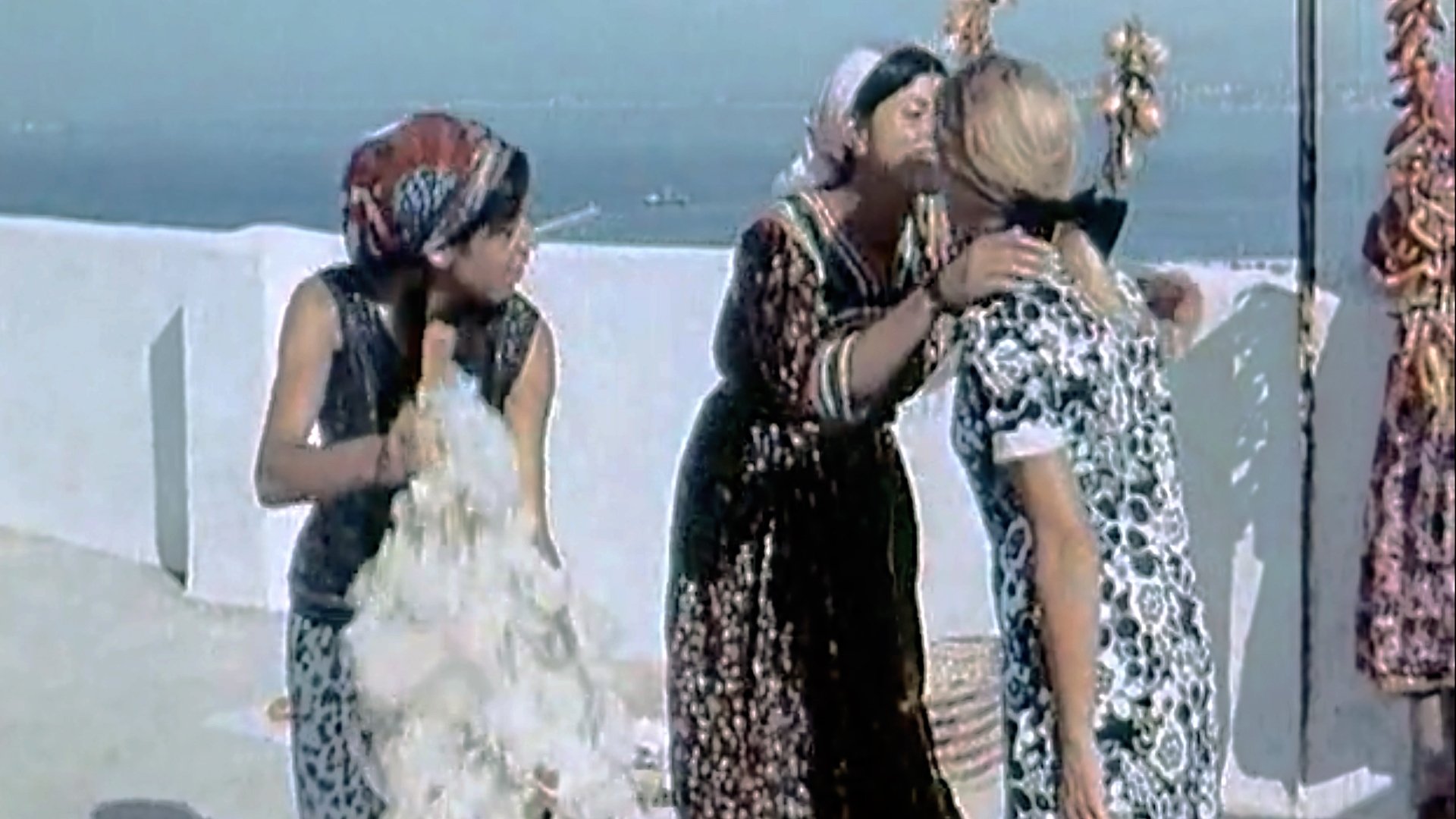
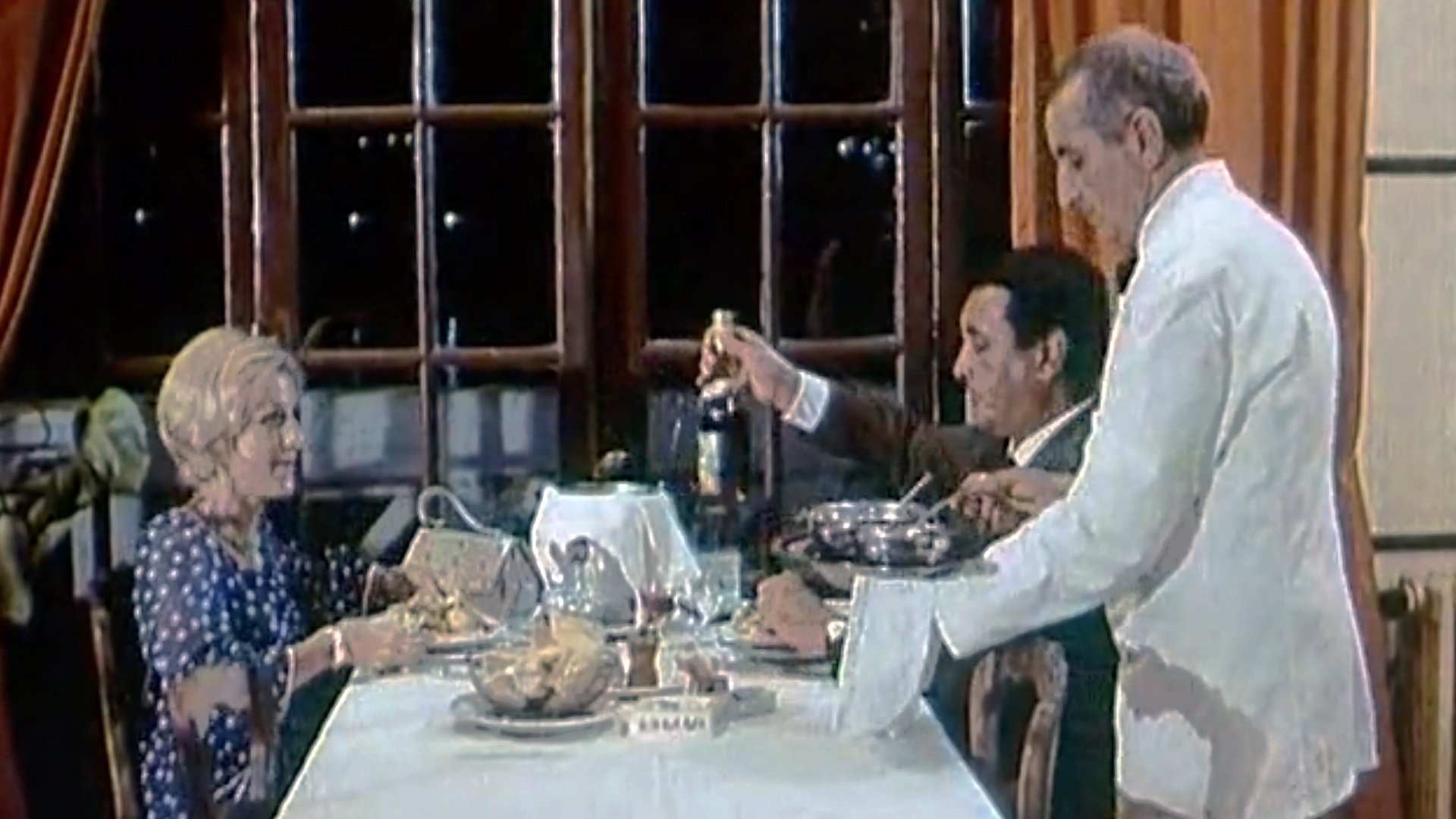
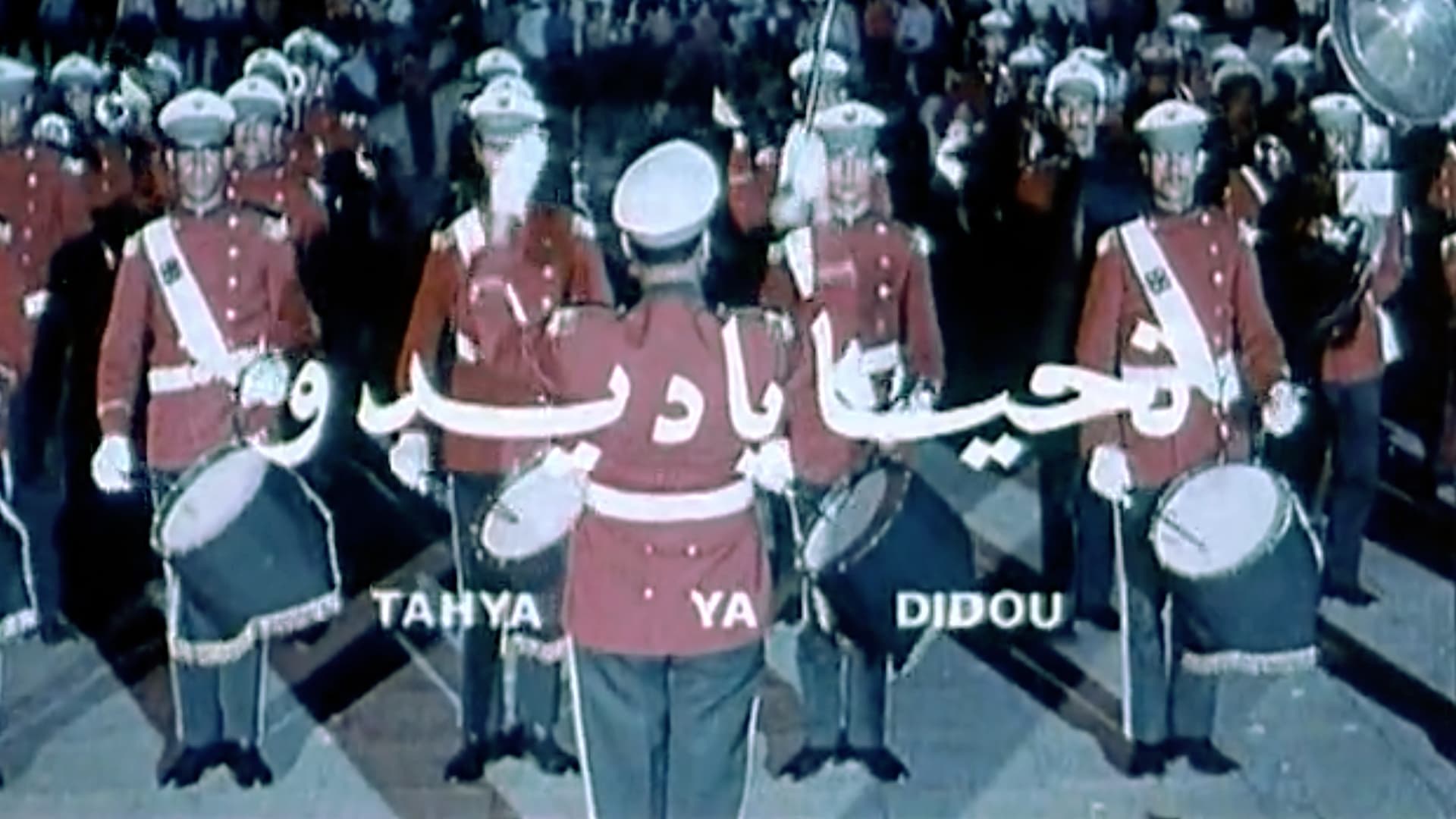
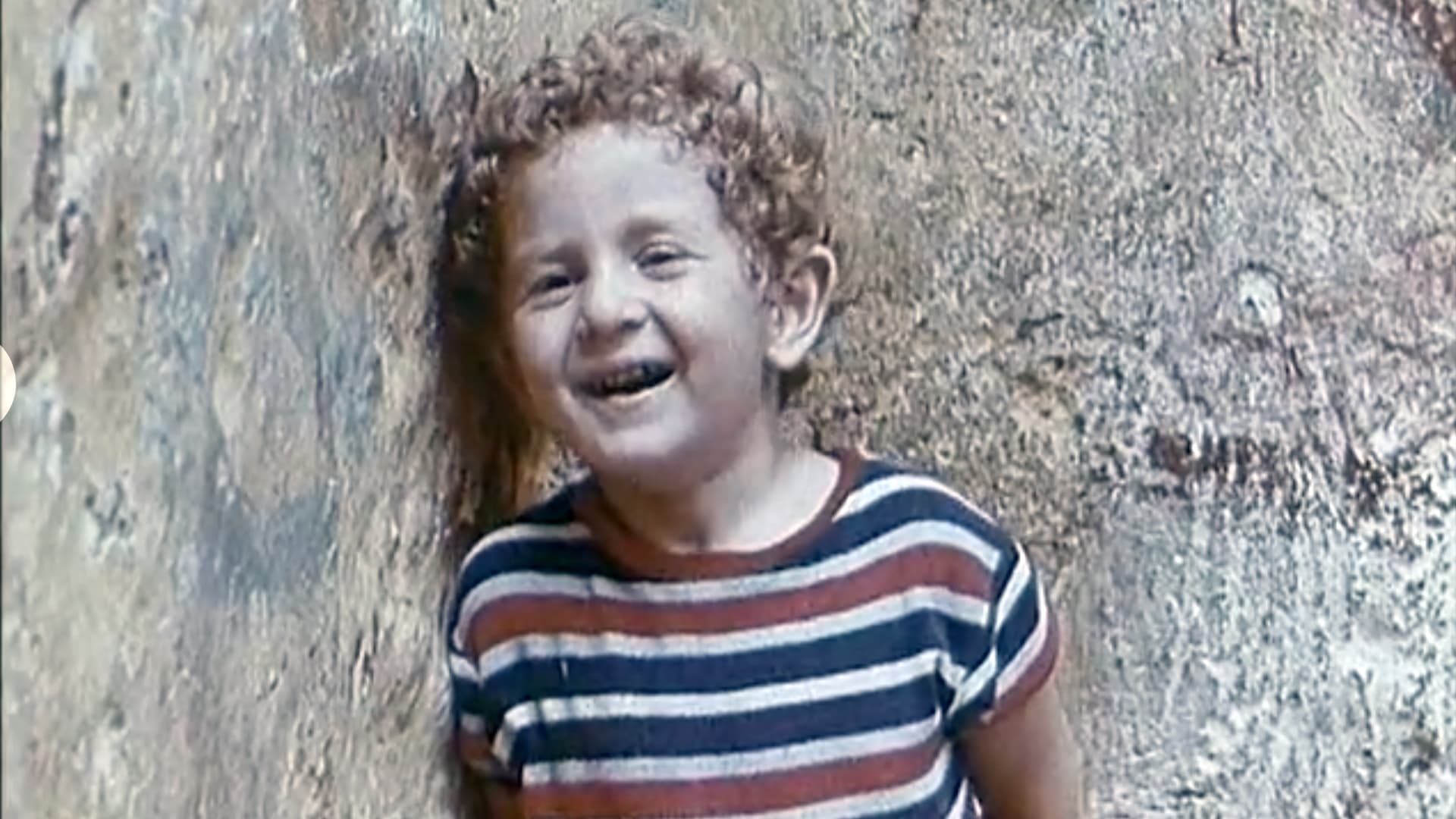
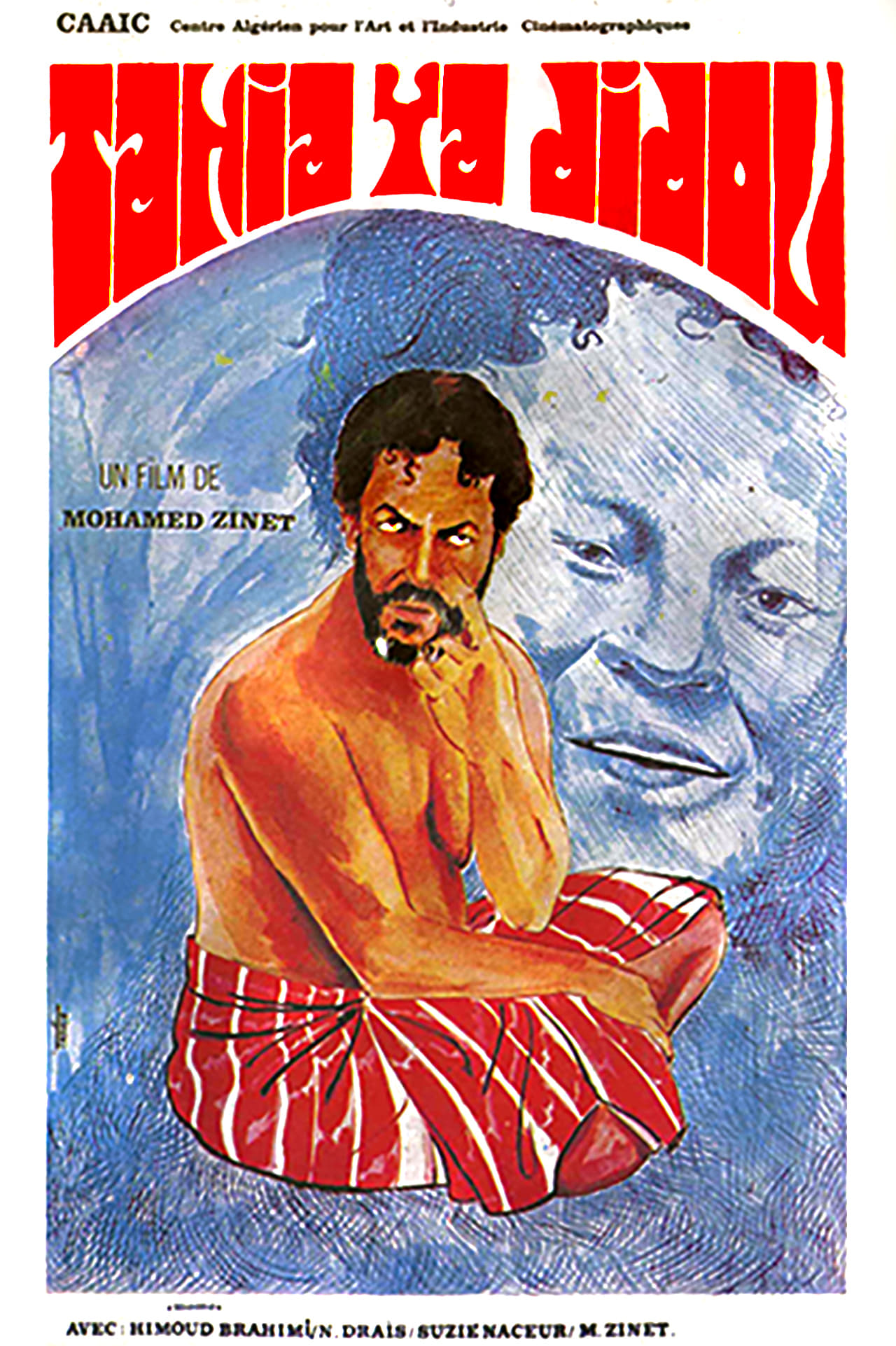
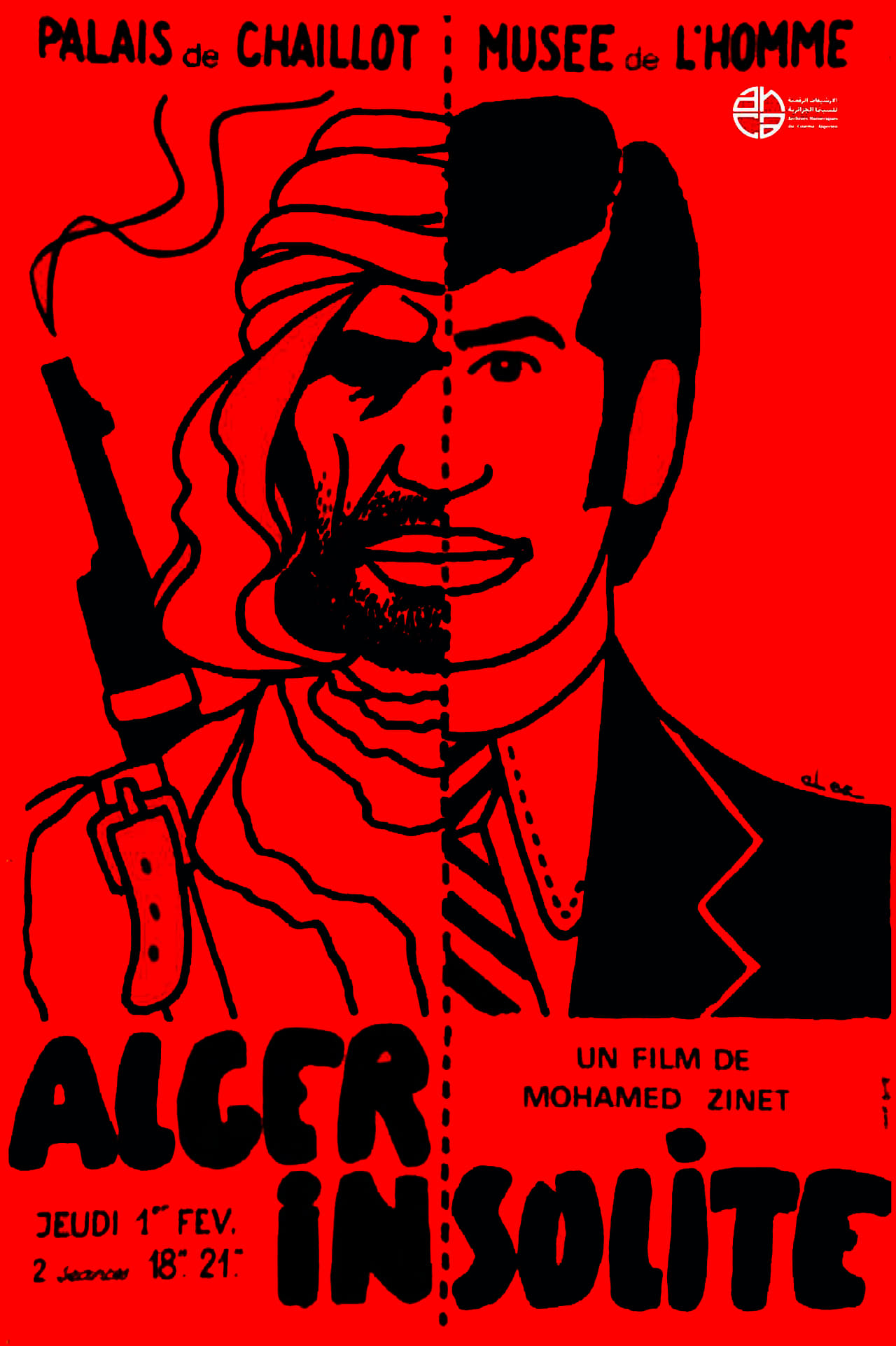
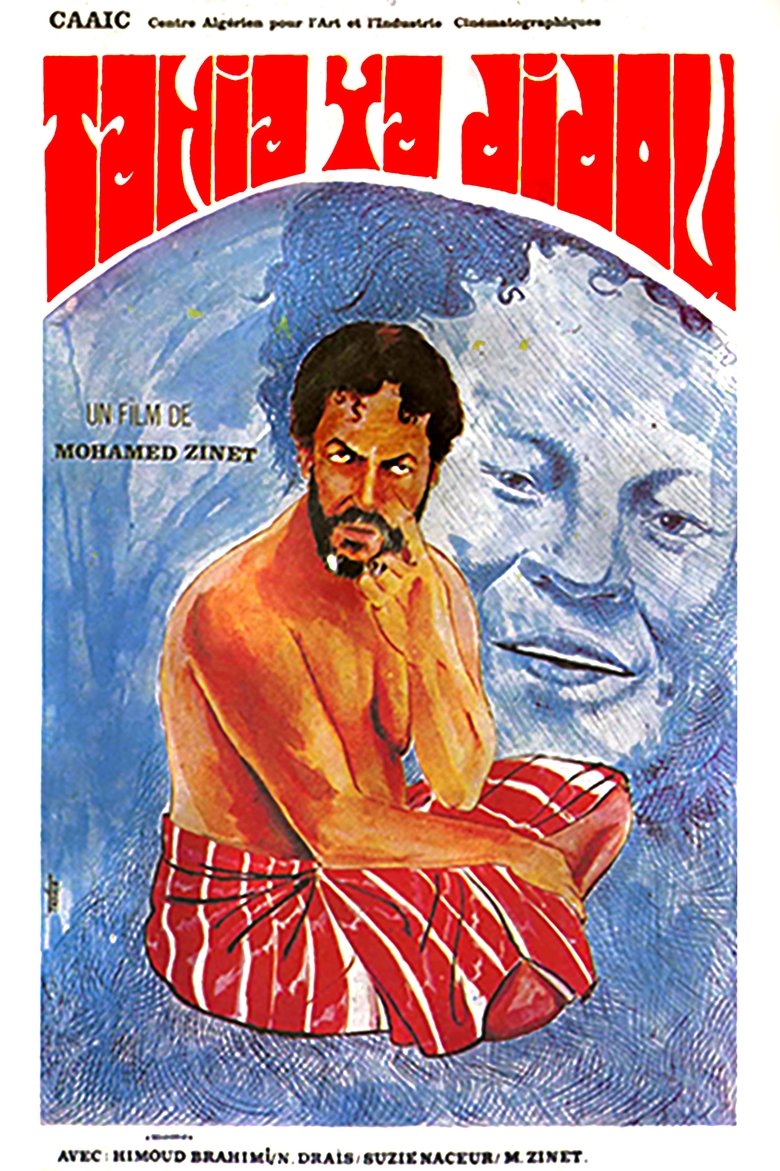
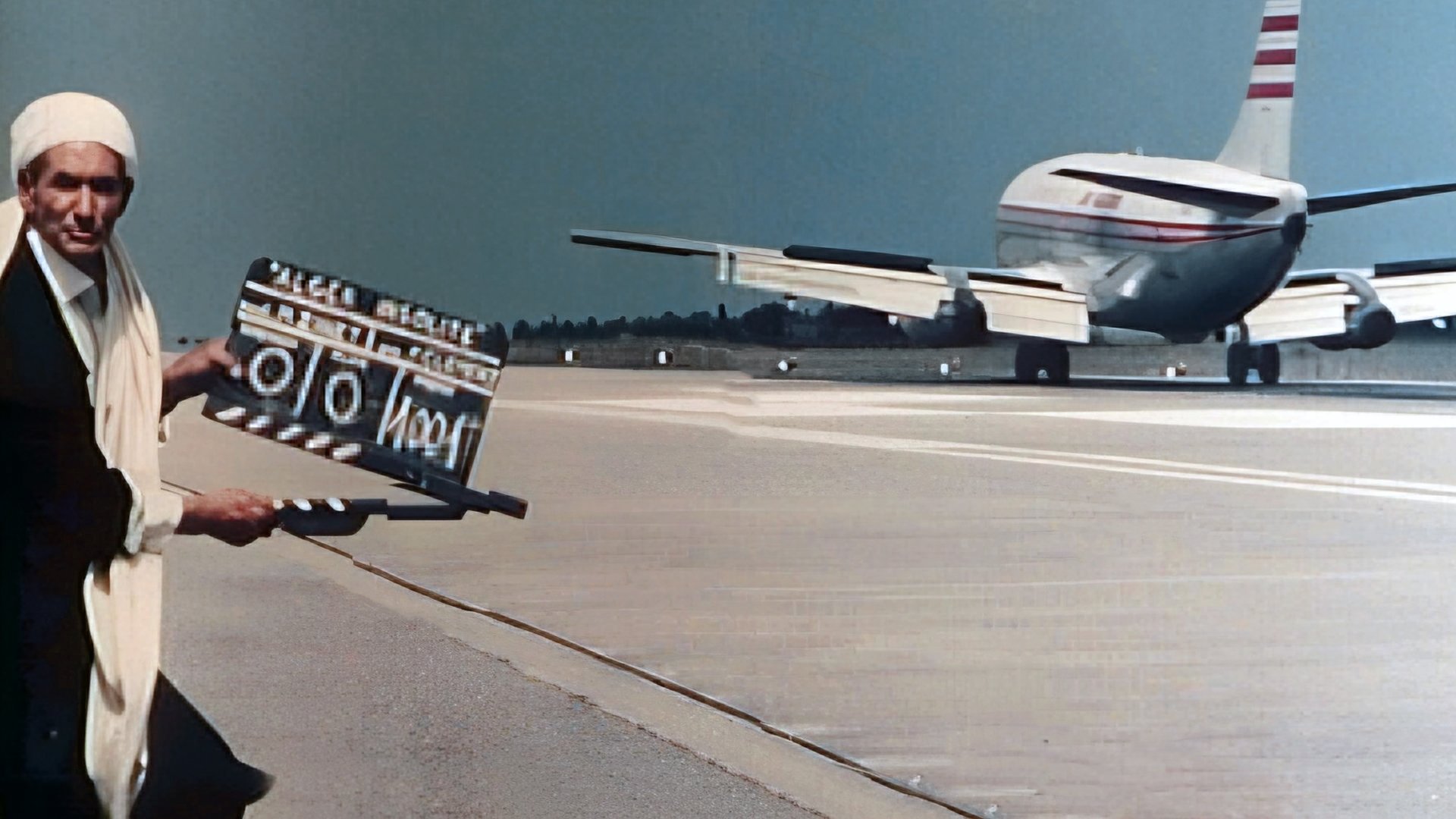
Originally commissioned by the city of Algiers to promote tourism, Mohamed Zinet’s Tahia ya Didou blends documentary with fiction to create a poetic, acerbic and rapturous portrait of the director’s native city. The camera travels freely, through the port, market, streets and cafés, capturing everyday people, some of whom recur frequently enough to seem like protagonists. The nominal plotline follows a French tourist couple’s leisurely visit to the city, the man having previously served in the army during the Algerian war. As they walk around, his comments betray his mindset’s racist colonial prejudices, while his wife reiterates asinine clichés. Their unhurried wandering is interrupted when he comes across a blind man and realises that he tortured him during his army service. The film is punctuated with punchy sequences that show a poet named Momo delivering verse as an elegy for Algiers.
Director
Writer
Status
Released
Original Language
AR
Alain Lefevre is a boxer paid by a Marseille mobster to take a dive. When he wins the fight he attempts to flee to America with the mobster's girlfriend Katrina. This plan fails and he seeks escape by joining the foreign legion. As part of the legion he tangles with abusive lieutenant Steinkampf and bonds with legionnaires Luther, Mackintosh and Rosetti.