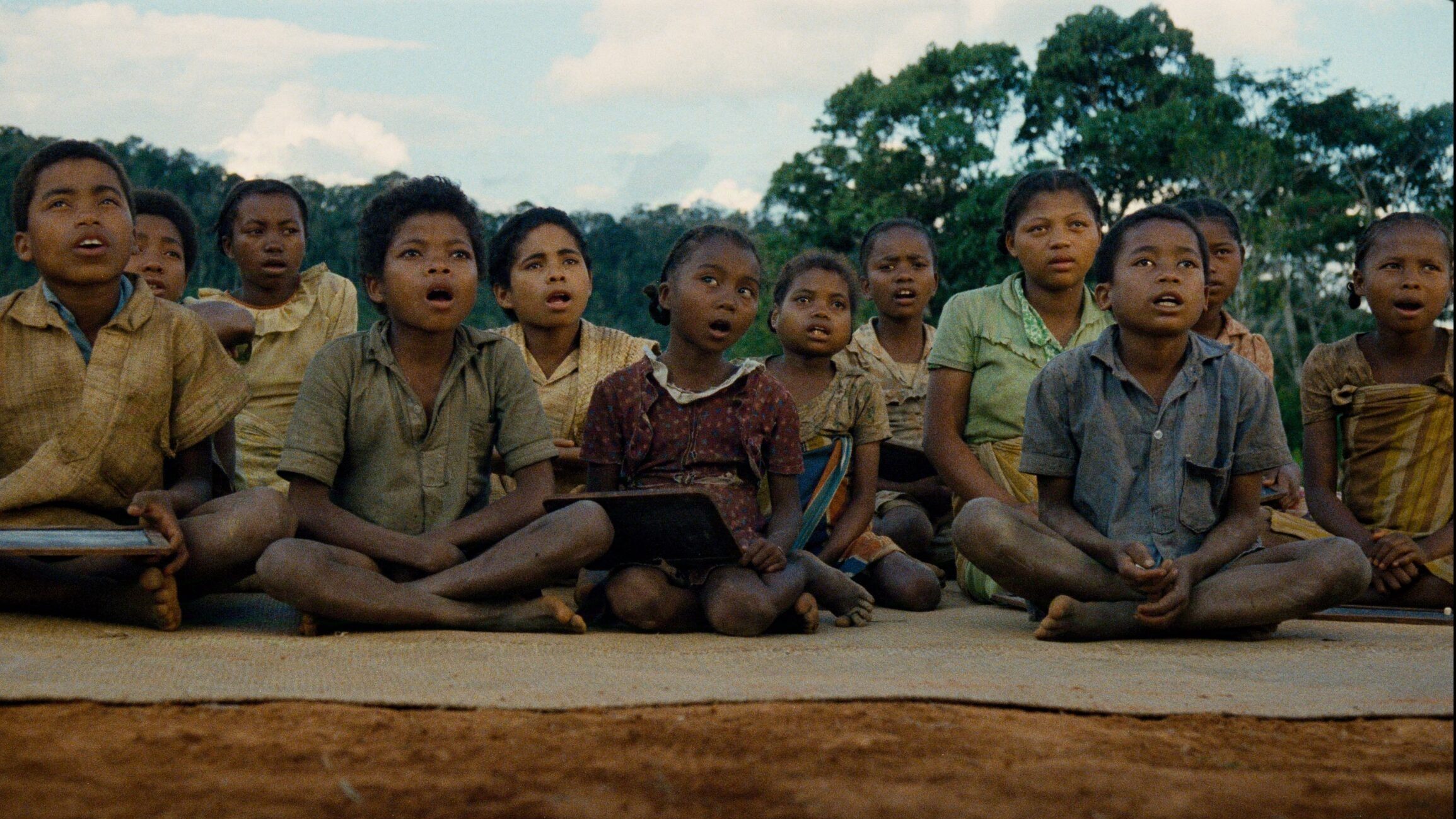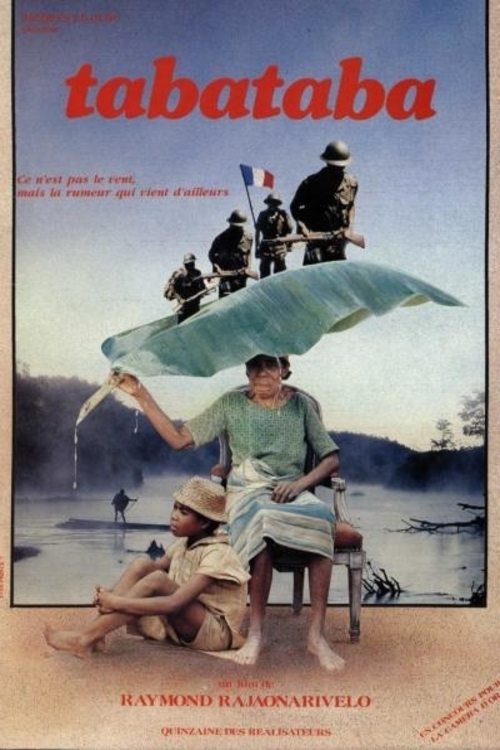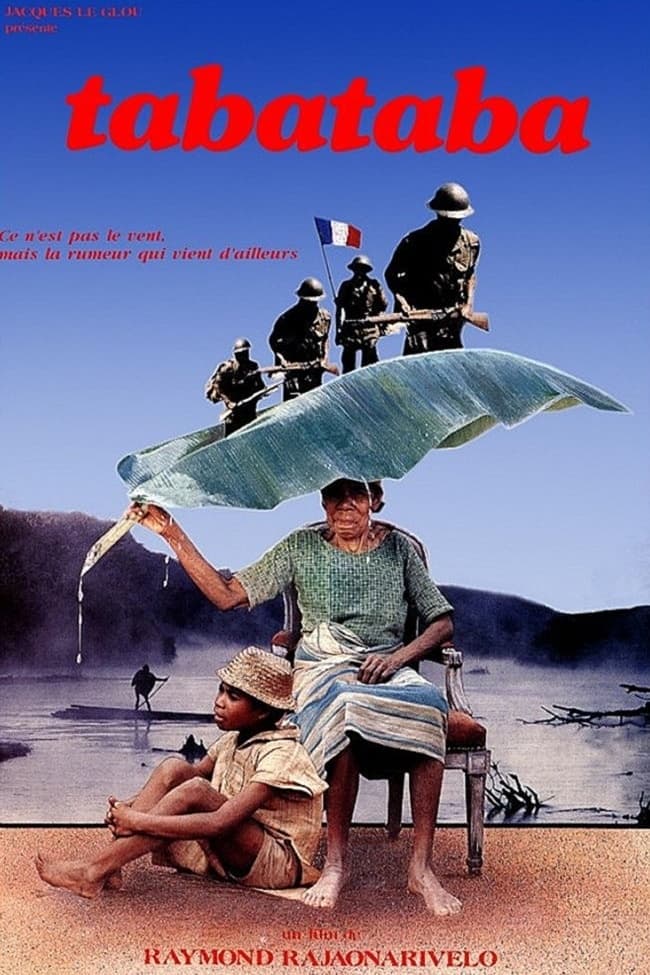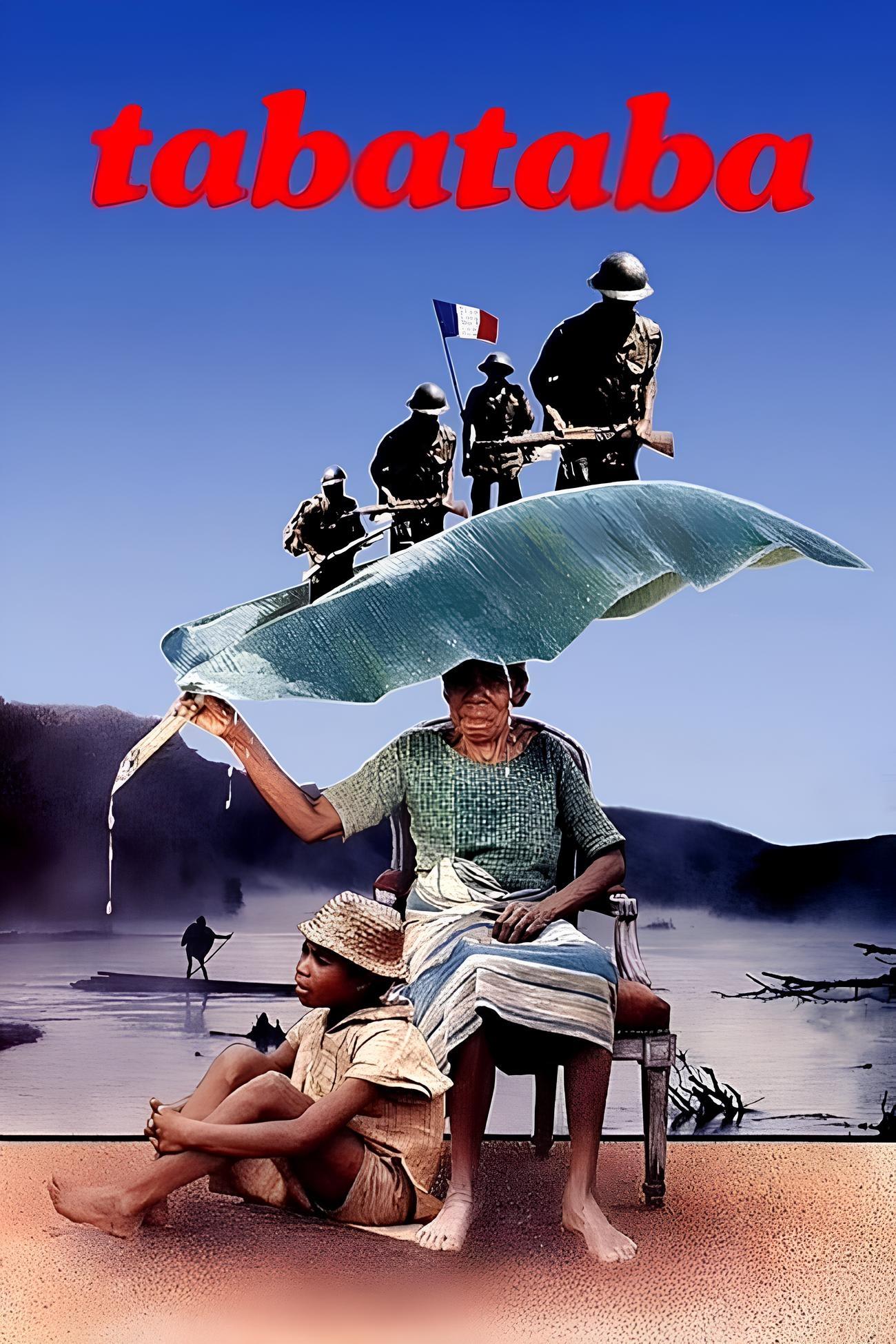
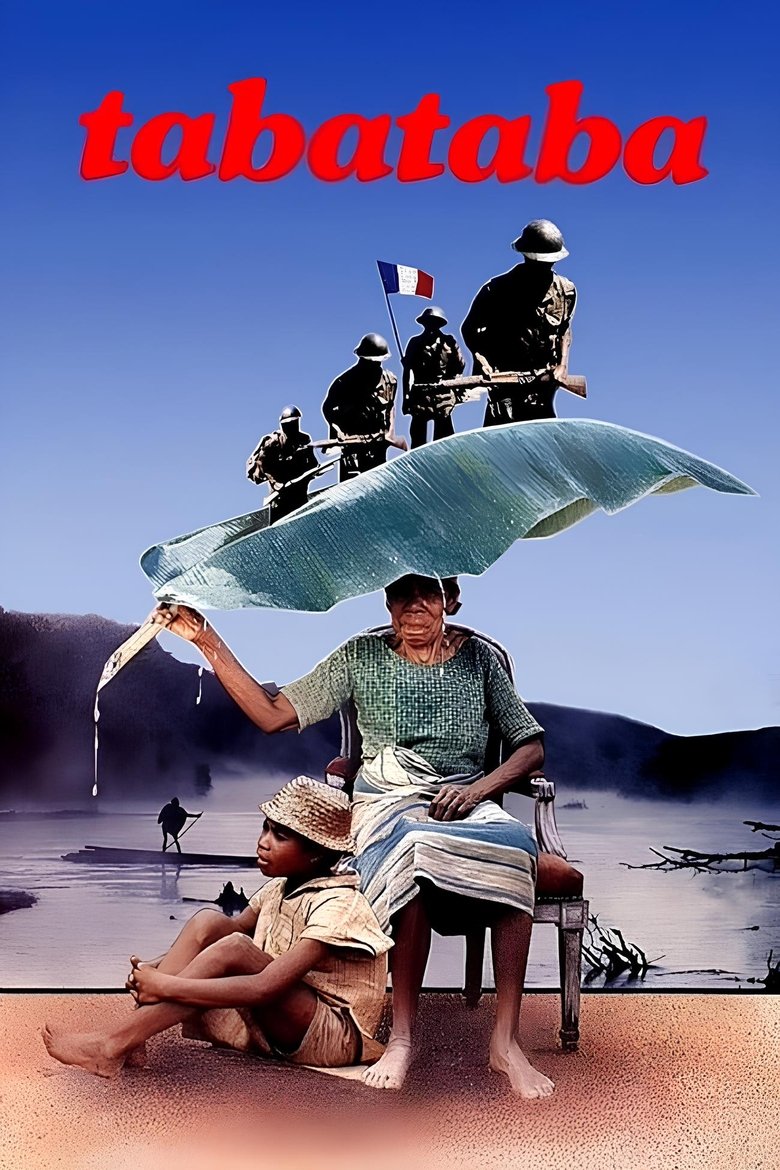
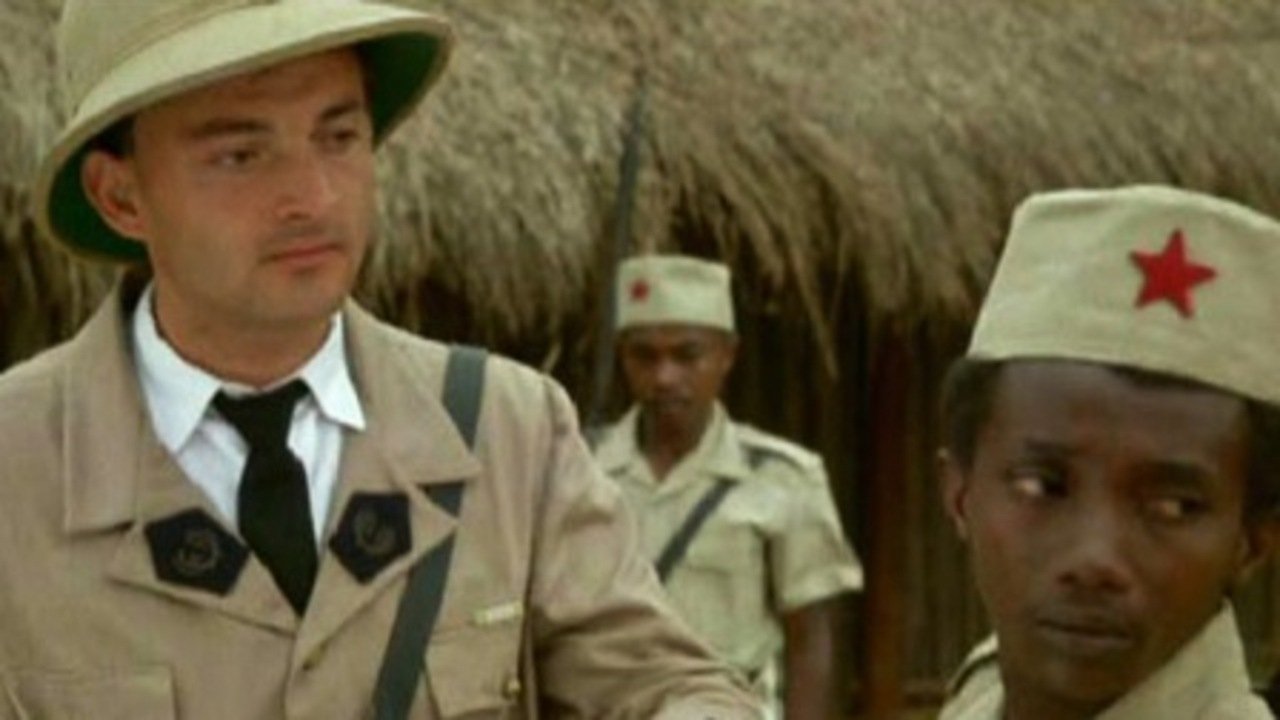
Tabataba tells the story of a small Malagasy village during the independence uprising which took place in 1947 in the south of the country. For several months, part of the Malagasy population revolted against the French colonial army in a bloody struggle. The repression in villages that followed was terrible, leading to fires, arrests and torture. Women, children and the elderly were the indirect victims of the conflict and suffered particularly from famine and illness. One leader of the MDRM Malagasy Party, which campaigns for the independence of the country, arrives in a village. Solo (François Botozandry), the main character, is still too young to fight but he sees his brother and most of the men in his clan join up. His grandmother, Bakanga (Soavelo), knows what will happen, but Solo still hopes his elder brother will return a hero. After months of rumours, he sees instead the French army arrive to crush the rebellion.
Status
Released
Original Language
MG
Bakanga
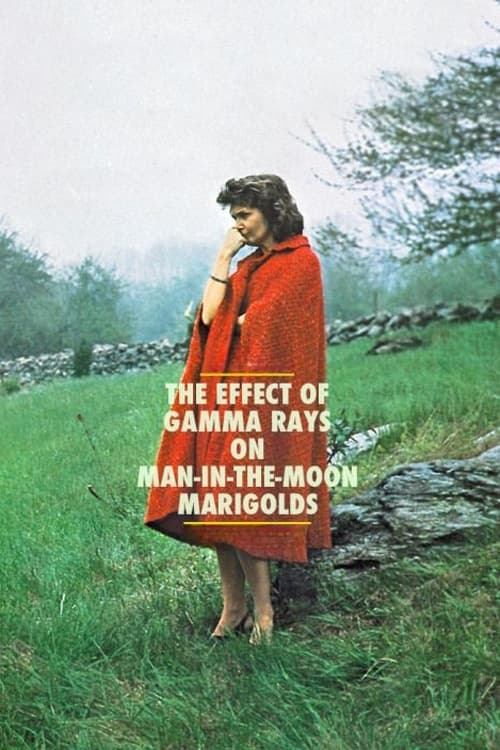
Middle-aged widow Beatrice Hunsdorfer and her daughters Ruth and Matilda are struggling to survive in a society they barely understand. Beatrice dreams of opening an elegant tea room but does not have the wherewithal to achieve her lofty goal. Epileptic Ruth is a rebellious adolescent, while shy but highly intelligent and idealistic Matilda seeks solace in her pets and school projects, including one designed to show how small amounts of radium affect marigolds.