User Score
1 votes
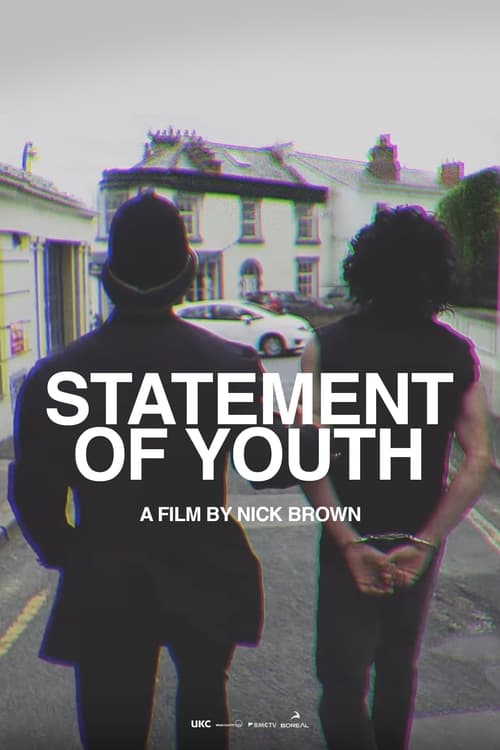
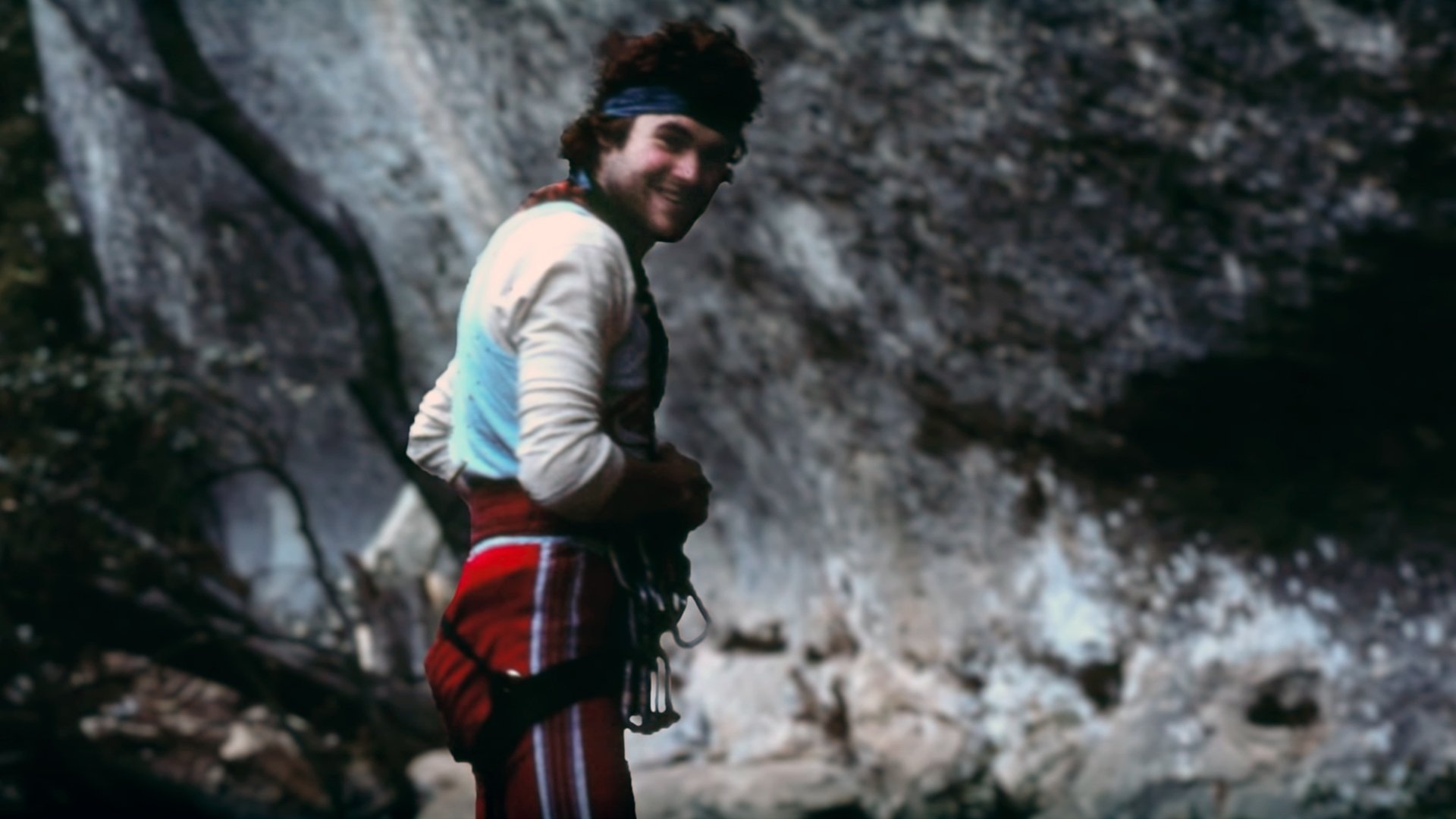
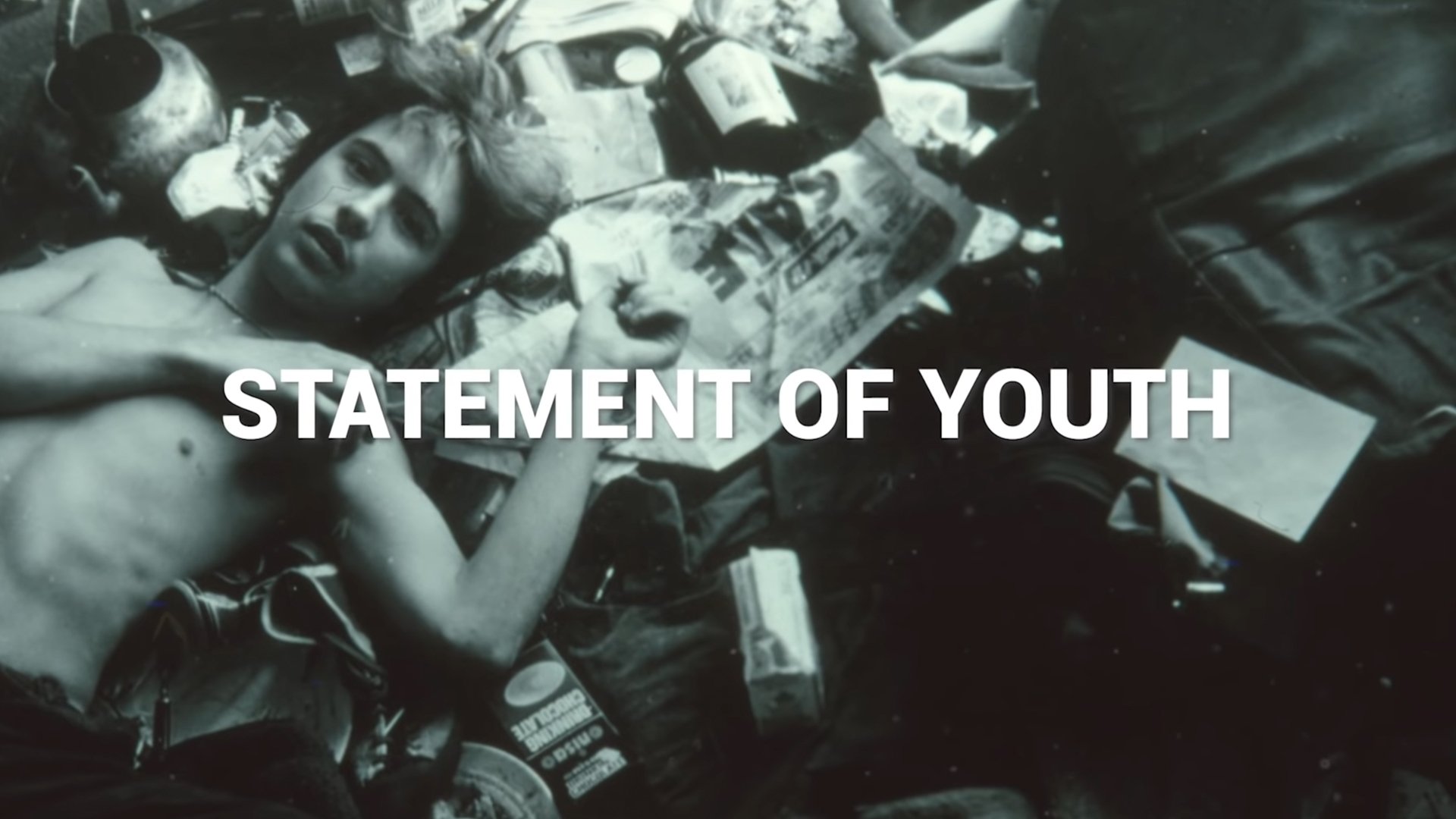
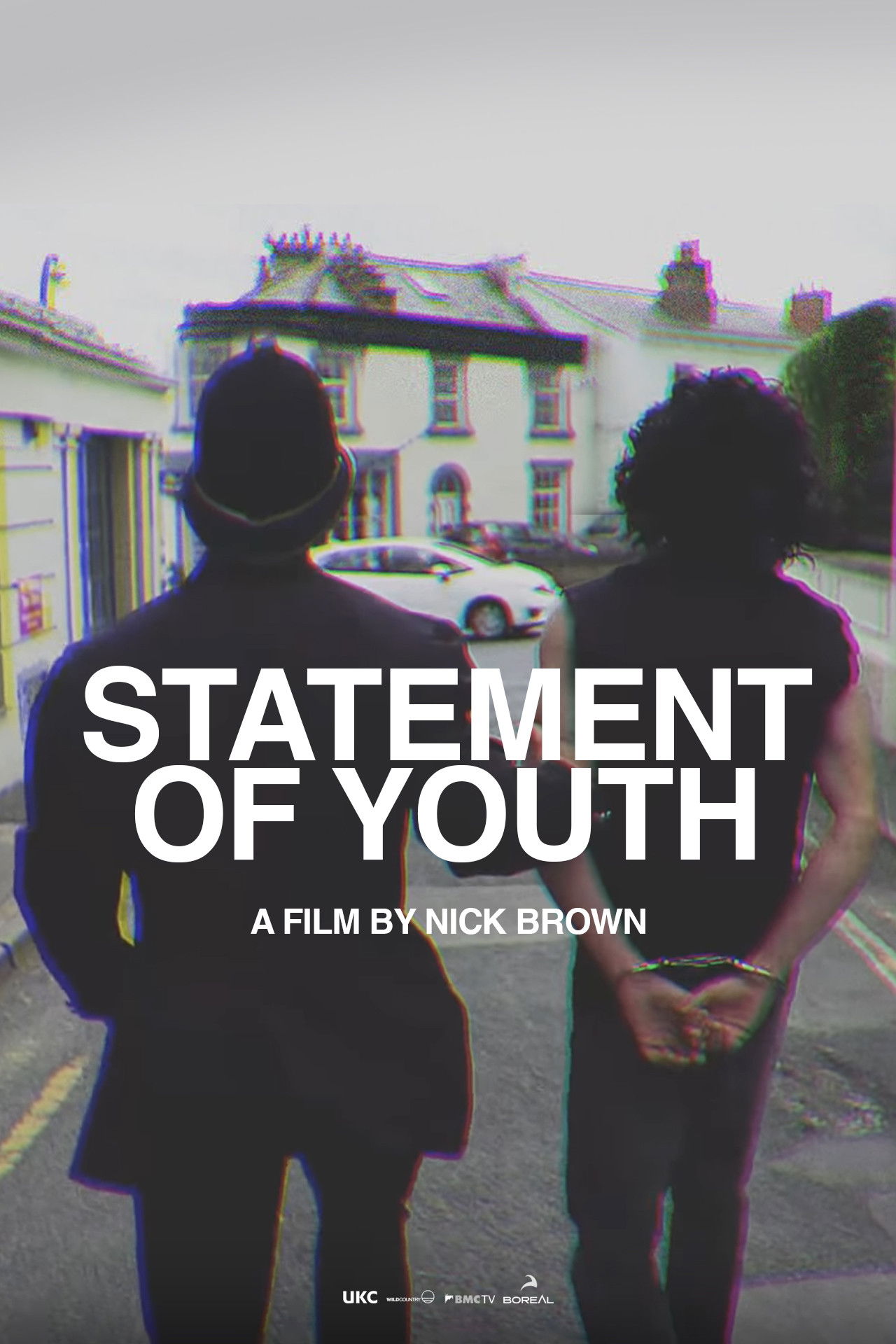
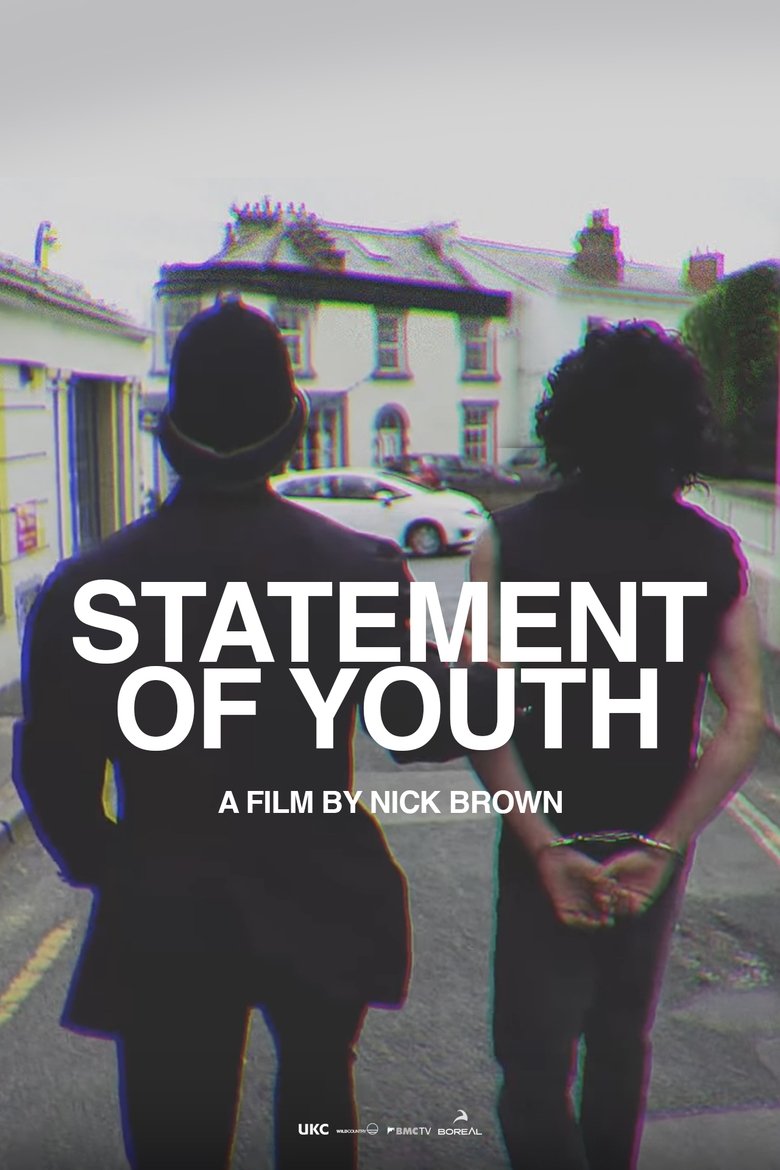
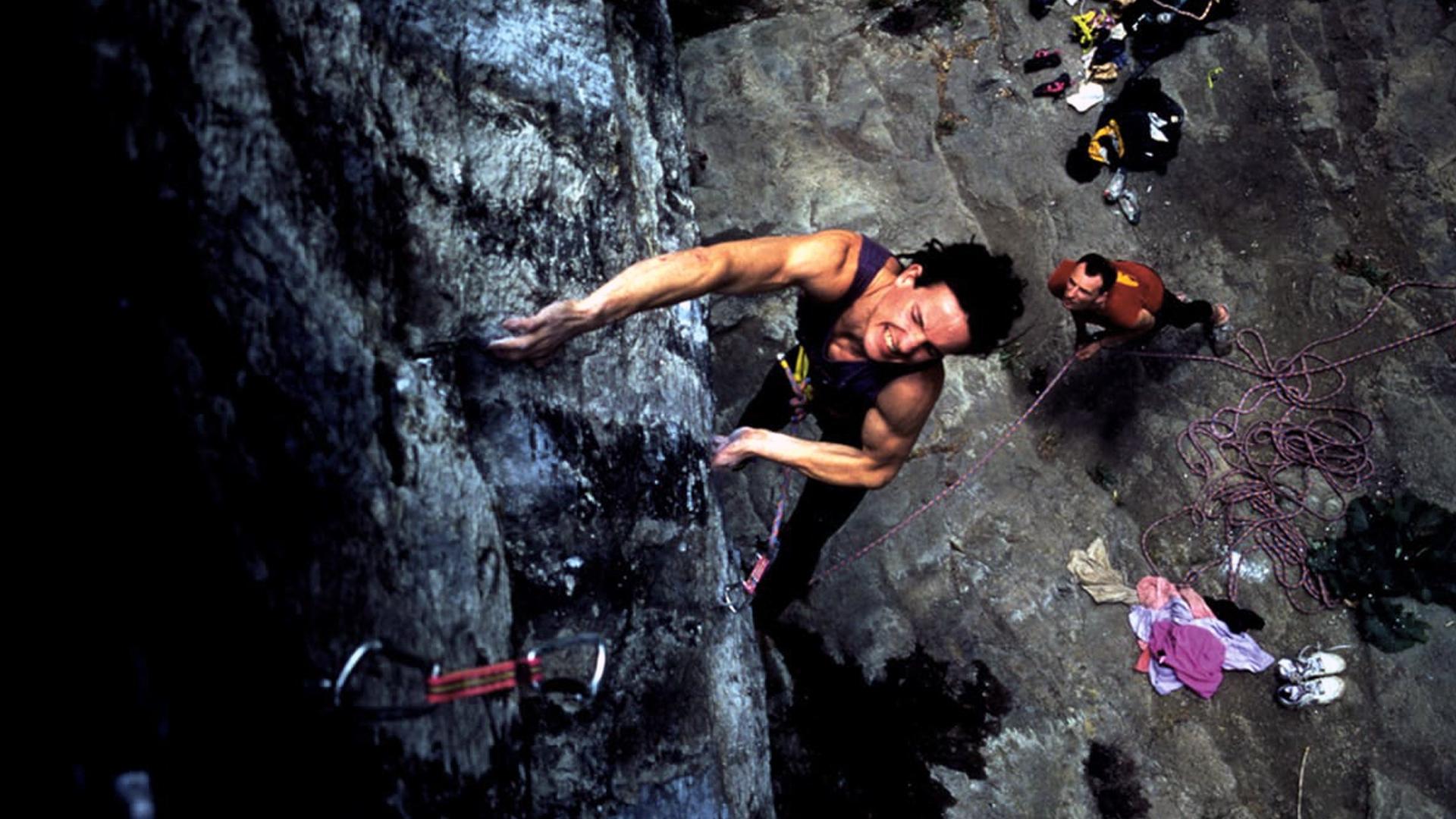
At the start of the 80’s sport climbing was in its embryonic stages. Bolted routes were beginning to make a regular appearance, indoor climbing walls as we know them nowadays had not yet been invented and there was no such thing as being a pro athlete. During that period standards rose exponentially, from 7b+ as the cutting edge to 9a becoming the new world standard at the end of the ’80’s. In such a short period the sport changed beyond recognition and, in Britain, was fuelled by a small group of climbers who would do anything to climb full-time: sleeping in sheds underneath crags, shoplifting for food and clothes, and living off unemployment benefits. As illustrated in this film directed by Nick Brown, these climbers were living outside the rest of society and went on to become the most influential figures in the history of British sport climbing.
Director
Writer
Status
Released
Original Language
EN
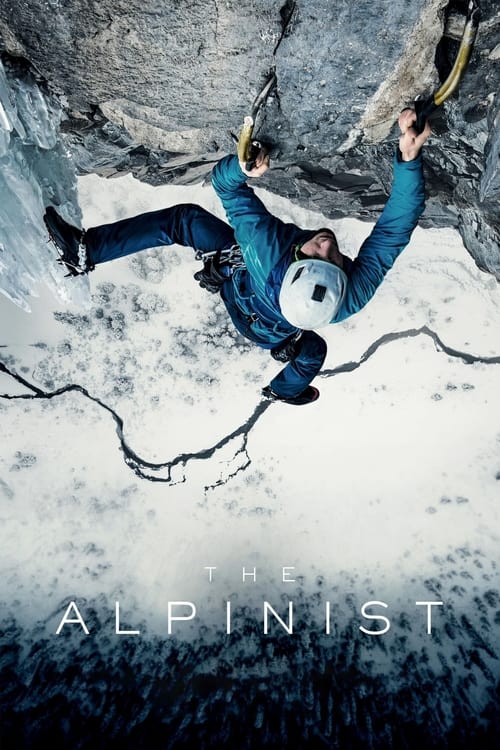
Marc-André Leclerc, an exceptional climber, has made solo his religion and ice his homeland. When filmmaker Peter Mortimer begins his film, he places his camera at the base of a British Columbia cliff and waits patiently for the star climber to come down to answer his questions. Marc André, a little uncomfortable, prefers to return to the depths of the forest where he lives in a tent with his girlfriend Brette Harrington. In the heart of winter, Peter films vertiginous solos on fragile ice. He tries to make appointments with the climber who is never there and does not seem really concerned by this camera pointed at him "For me, it would not be a solo if there was someone else" . Marc-André is thus, the "pure light" of the mountaineers of his time, which marvel Barry Blanchard, Alex Honnold or Reinhold Messner, interviewed in the film. An event film for an extraordinary character.