
User Score
1 votes
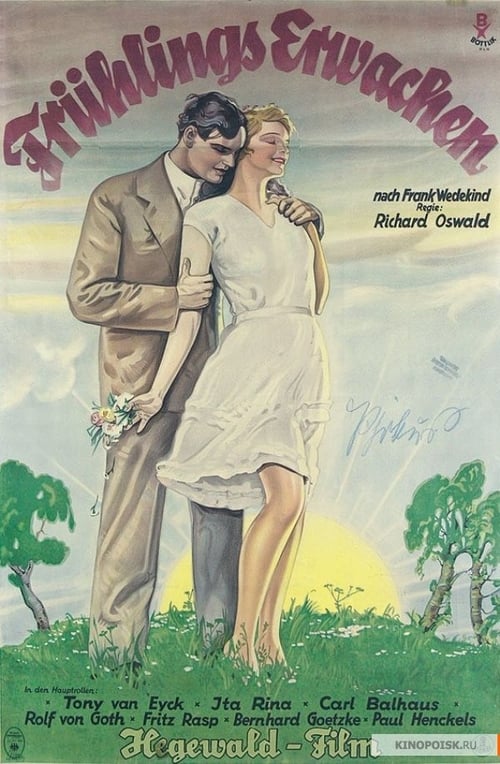
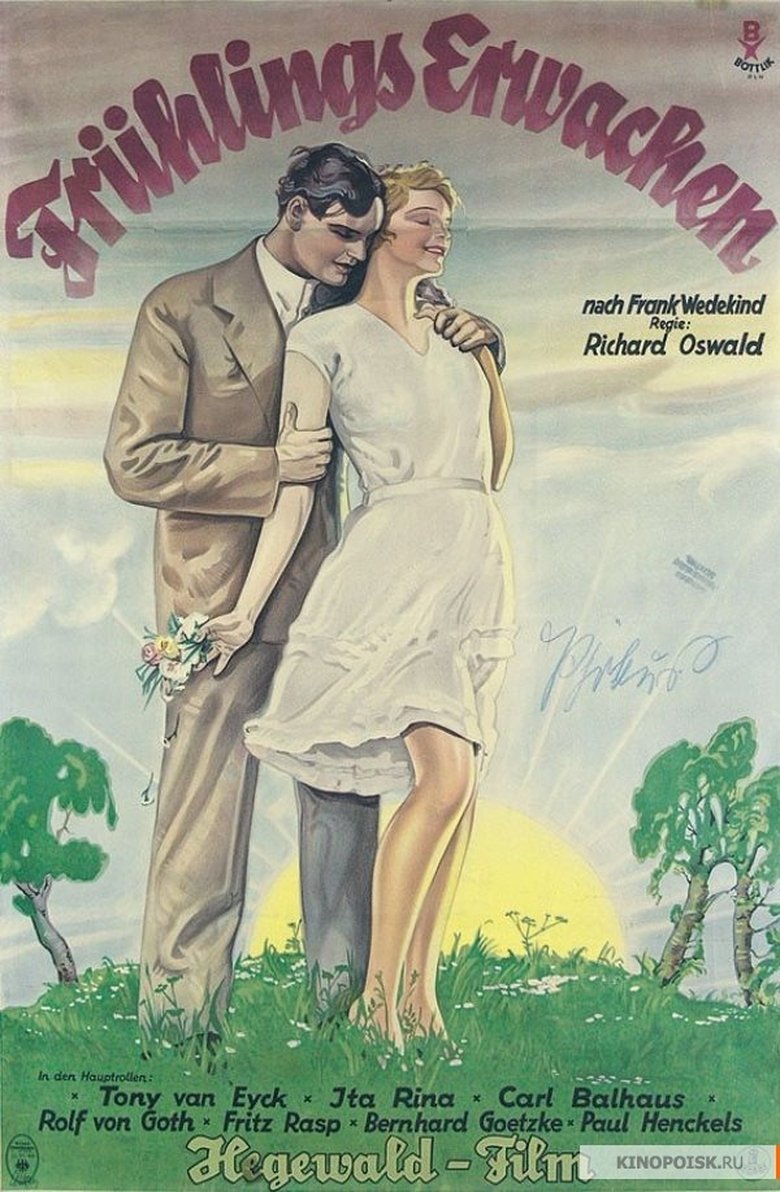
Moritz Stiefel faces expulsion due to poor marks. When he is caught with an essay titled “Shame and Lust”, he is indeed kicked out – instead of classmate Melchior Gabor, who actually penned it. Gabor was drawing on his experiences with neighbourhood girl Wendla. Then Wendla turns up pregnant. Stiefel descends into despair ... Exploitation between Eros and Thanatos in this “sexual tragedy of youth” based on Frank Wedekind’s play. Setting the film in the 1920s provided a chance to explore “modern” youth culture, complete with cigarettes, jazz music, the gramophone, and a goodly bit of alcohol. Richard Oswald, a master of films of manners and young sex beginning in the 1910s, fully explores the temptations of the youthful body, even early childhood flirtatiousness. At the same time, with his target audience in mind, the film laments the bigotry and double standards of the adult world.
Status
Released
Original Language
DE
Stiefel
An aimless young man who is scalping tickets, gambling and drinking, agrees to coach a Little League team from the Cabrini Green housing project in Chicago as a condition of getting a loan from a friend.