

User Score
1 votes
Sales of organic products have increased tenfold in 20 years. In 2020, the market will have exceeded 13 billion euros in sales. The heavyweights of the food industry are surfing on this consumer craze for healthy food by offering more and more "green" products. But organic does not necessarily mean nutritionally balanced.
Director
Writer
Status
Released
Original Language
FR
Self
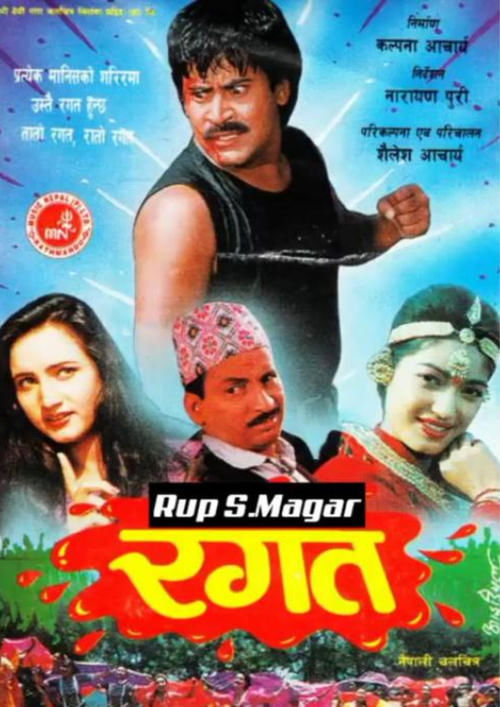
Ragat (Blood) is a powerful Nepali film that highlights caste discrimination and social injustice. The story follows Krishna, a young man from a lower-caste family, who bravely fights against the oppression of the rich and upper-caste elites. Hemant Kaji, a wealthy and influential man, strongly believes in caste superiority and looks down on the poor. Amidst this division, Laxmi, a girl from a rich family, falls in love with Gopal, a lower-caste boy. Defying societal norms and family pressure, they marry against their parents' wishes, challenging the rigid caste system. Their love becomes a symbol of change, but their struggle is met with resistance. In the end, Radha, Laxmi's caring aunt, tragically loses her life, leaving behind a message that all human blood is the same-hot and red. Directed with a strong social message, Ragat questions why caste discrimination still exists in Nepali culture and calls for equality and justice.