
User Score
17 votes
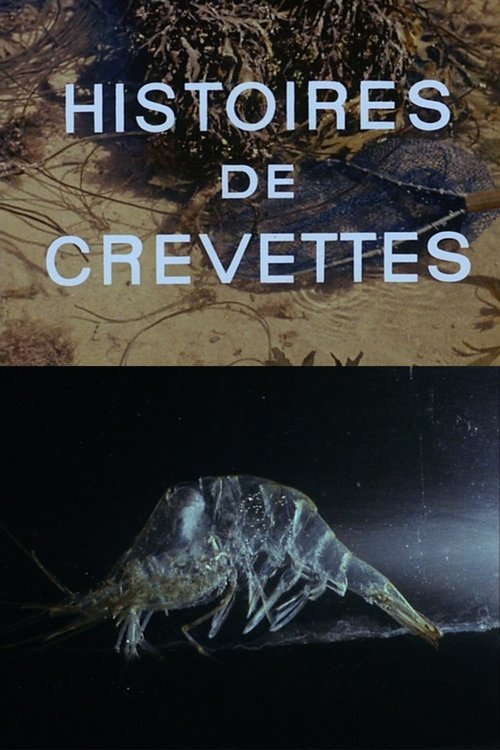
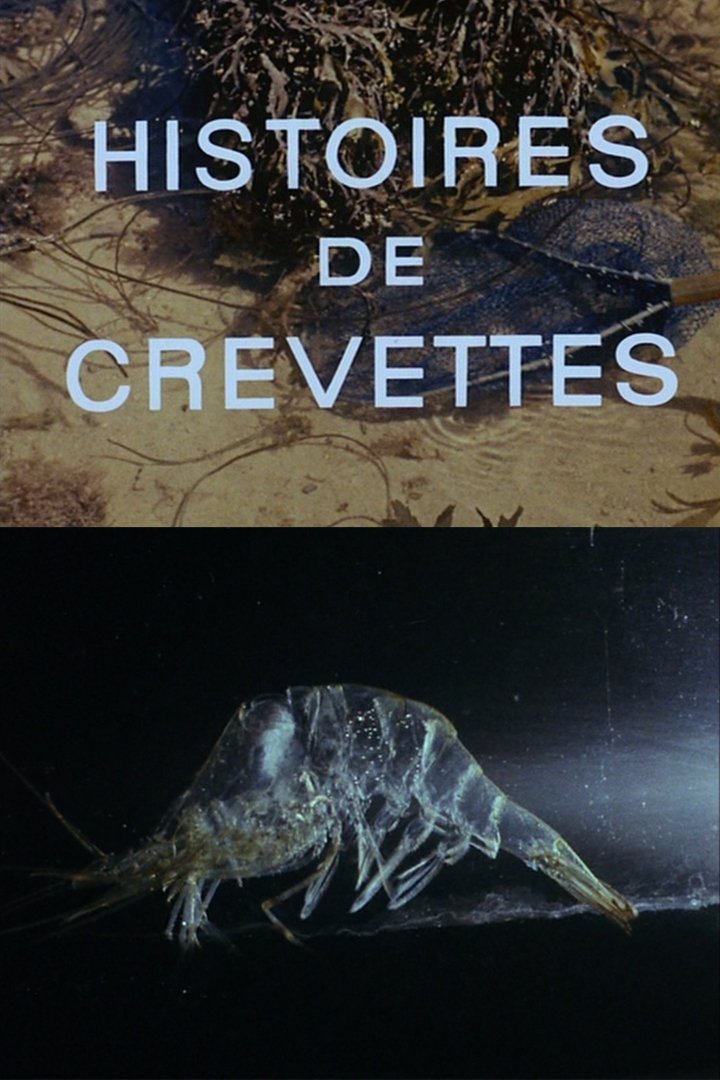
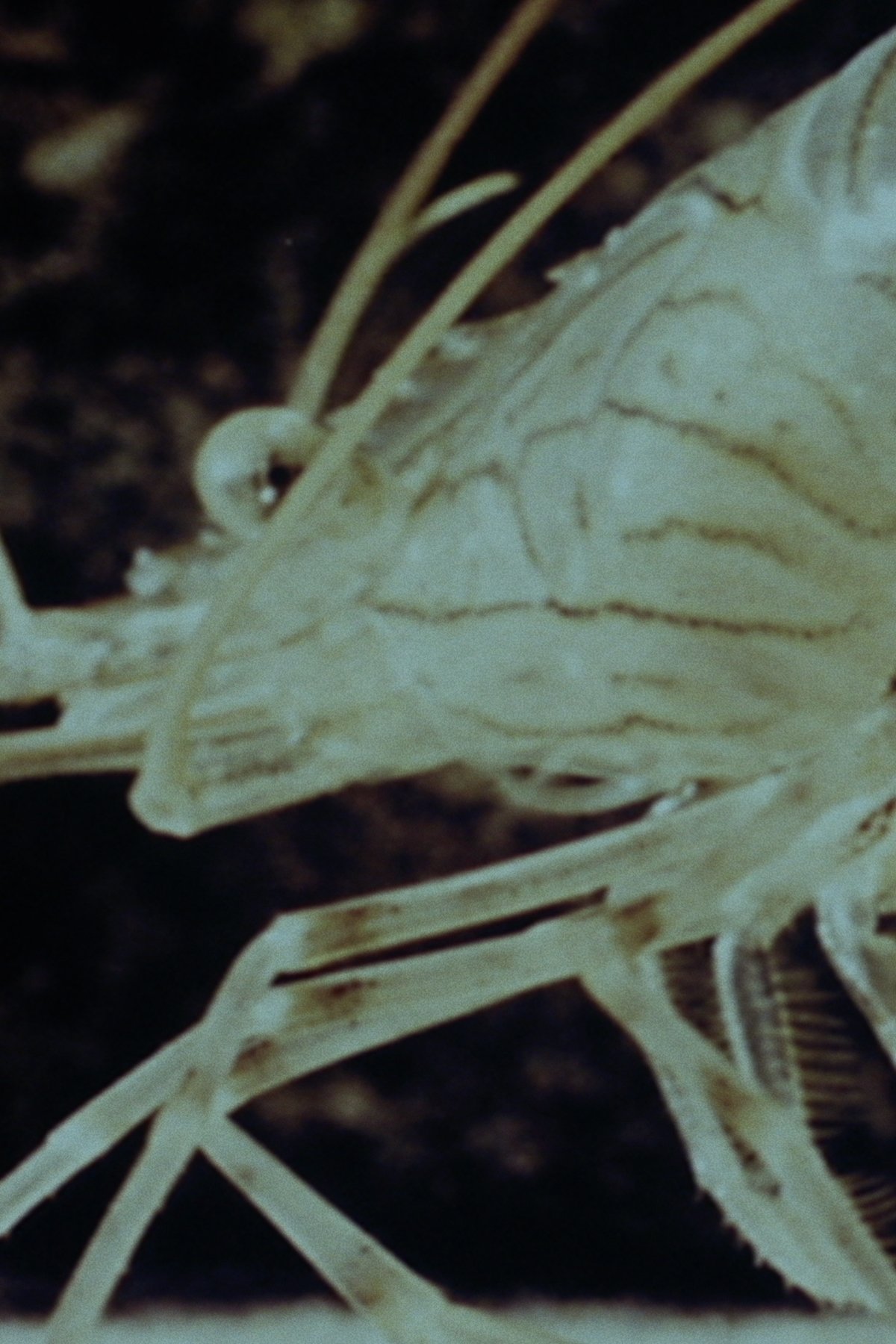
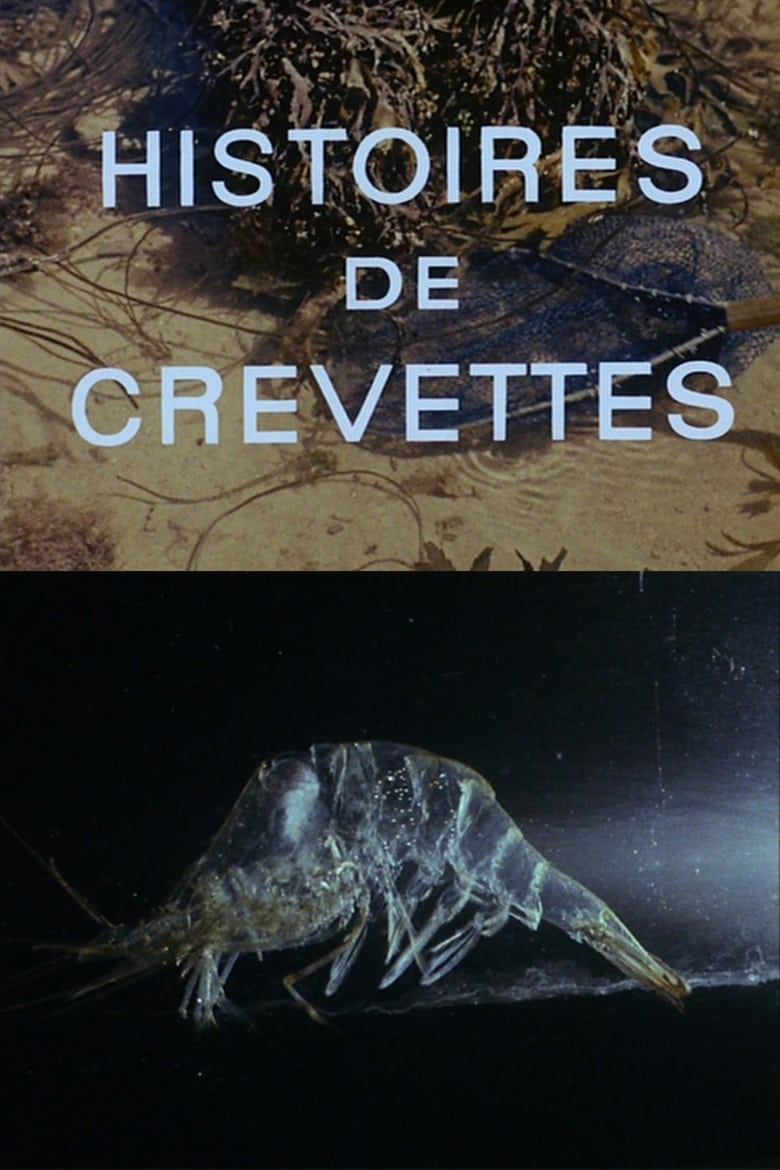
After a comic introduction, we look closely at a shrimp. Eyes on stilts, color patterns, pinchered walking feet, a rostrum. We watch shrimp eat using a strong claw and a fine one; we watch digestion. After eating, shrimp clean themselves. The female lays eggs that cling to her feet. After three weeks, the eggs hatch explosively. Few larvae live to adulthood. We watch an adult shed its carapace with a final leap, leaving it vulnerable; other shrimp attack.
Status
Released
Original Language
FR

At a marine biology station, a clump of algae reveals polyps, stomachs with limbs, limbs with buds, buds with poison cells. This animal reproduces by buds, which we watch close up in time-lapse images. In another kind of jellyfish, the buds grow inside then live outside for a few days until being on their own. Another produces eggs, sometimes self-fertilized. Some single eggs become buds with colonies. Another clump gathered at low tide consists of filaments of a colony - plumes with poison ends. In images taking 72 hours, we see filaments grow and produce a feeding organ from which a plume emerges. New jellyfish emerge from buds twice a day at set times to form a new colonies.

Friends battle former U.S. presidents when they come back from the dead as zombies on the Fourth of July.