
User Score
5 votes
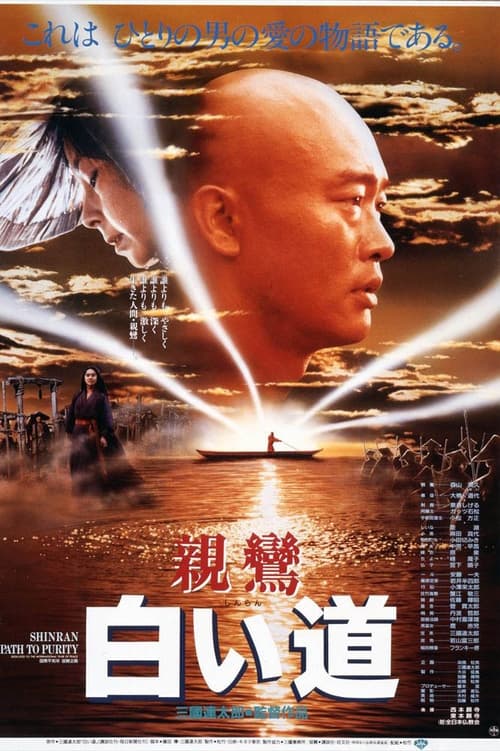
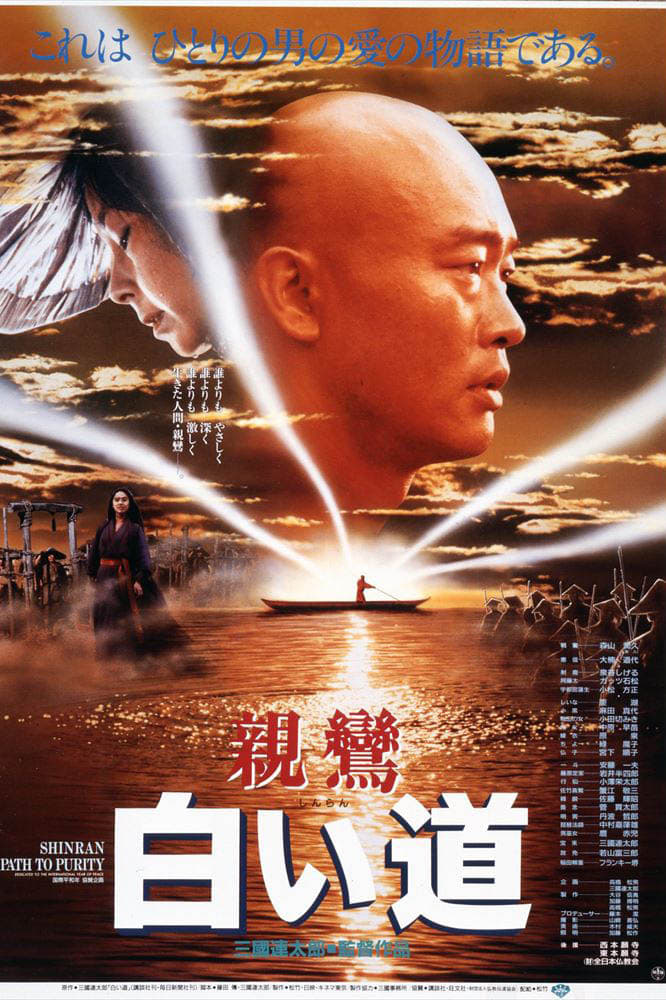
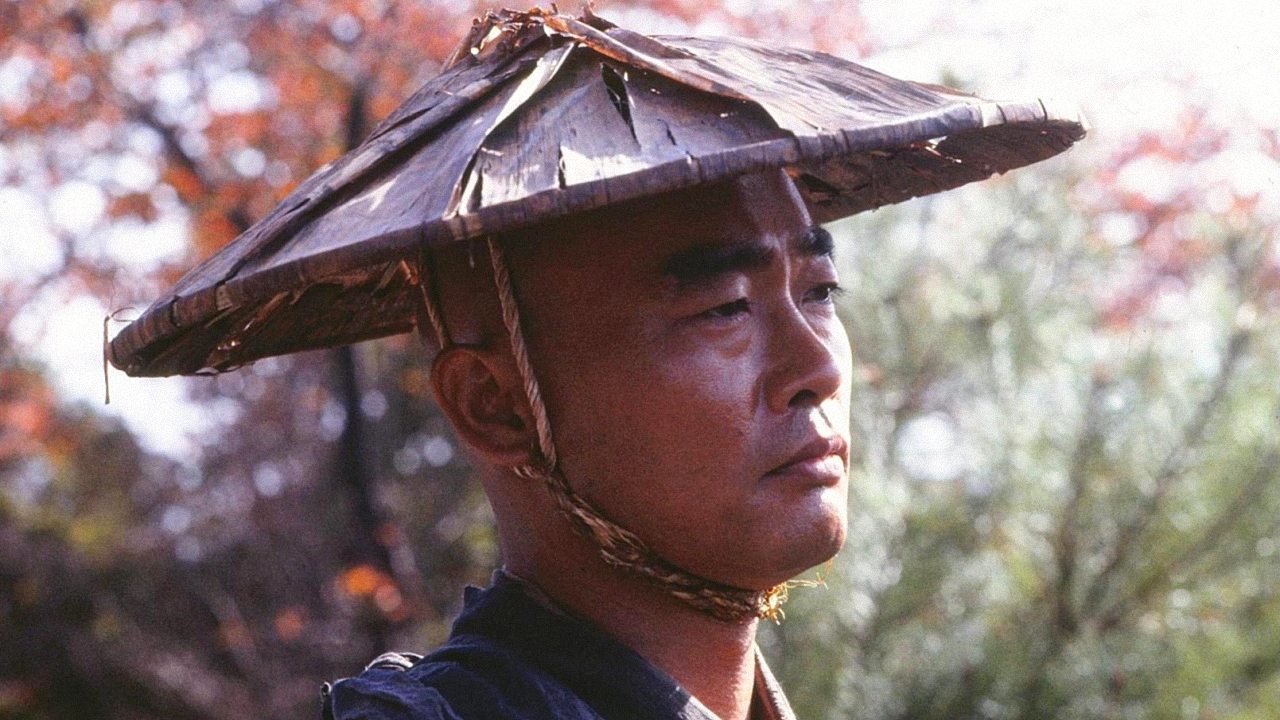
In the 12th century, Buddhism was still a relatively new religion in Japan. At that time, one school (Shingon) offered extensive training in complex and very demanding practices which might eventually bring about spiritual purification and realization. Various Zen schools offered students a lengthy path, literally composed of a blank wall and unceasing meditation. Yet another school (Tendai) emphasized complex metaphysics and the study of philosophical systems. Basically, all of them were designed to cater to the few who were able to give up everything else in their lives and focus on liberation, such as scholars and noblemen. In this historical and biographical drama, this is the situation that the young Shinran (1173-1263) discovered when he began exploring Buddhism as an alternative to the violence and ceaseless civil wars that racked Japan at the time.
Status
Released
Original Language
JA
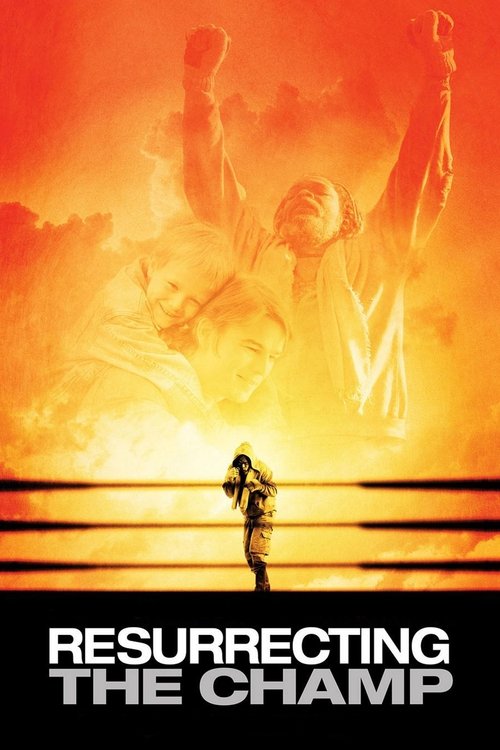
Up-and-coming sports reporter rescues a homeless man ("Champ") only to discover that he is, in fact, a boxing legend believed to have passed away. What begins as an opportunity to resurrect Champ's story and escape the shadow of his father's success becomes a personal journey as the ambitious reporter reexamines his own life and his relationship with his family.