

User Score
6 votes
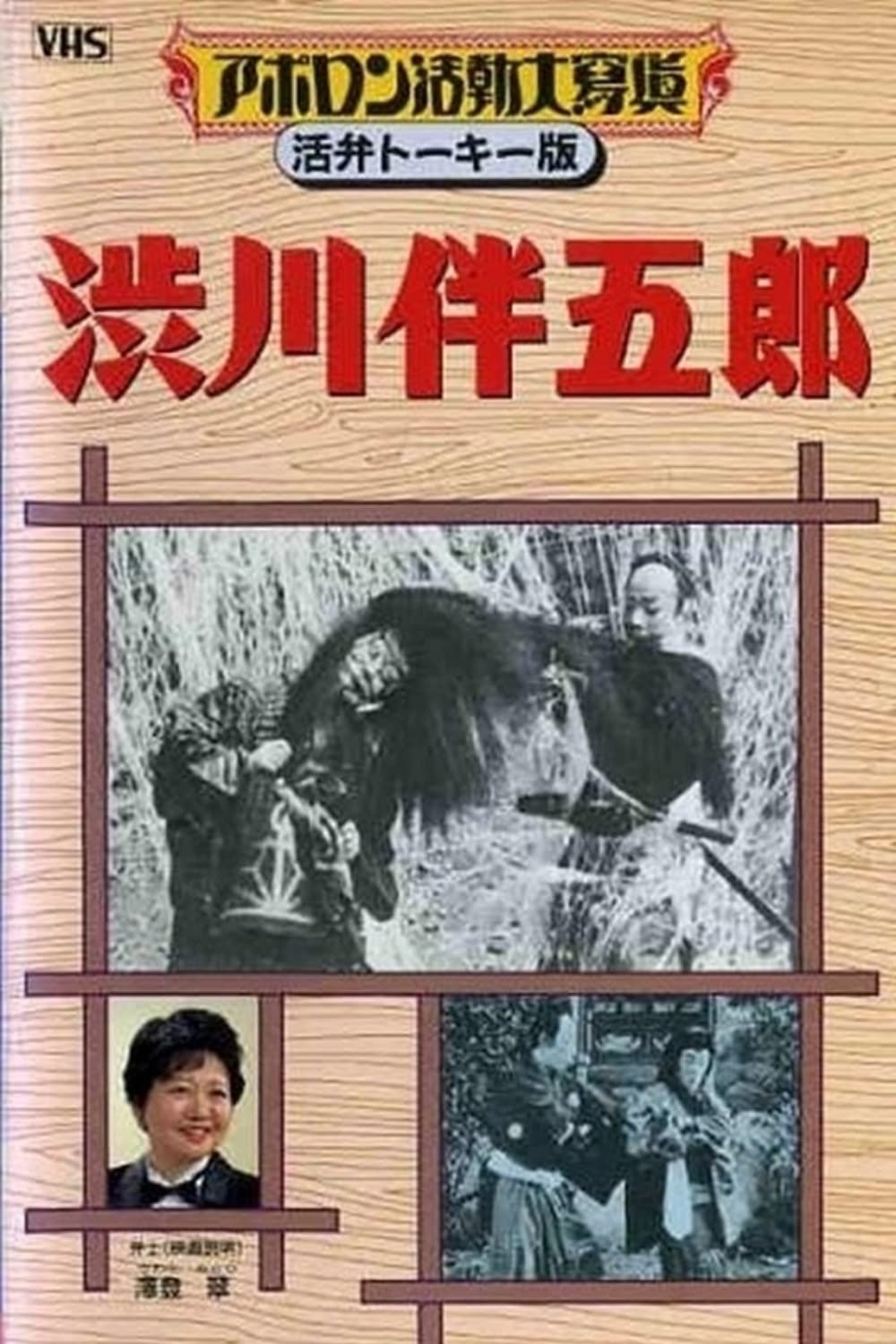
A film on the life of Shibukawa Bangorō, the founder of the Shibukawa-ryū school of jūjutsu. To paraphrase Satō Tadao’s blurb on the back cover of the video, this is an important film for three reasons. 1. it is an almost perfectly well preserved copy of one of only a few full-length movies still available of the first superstar in Japanese cinema history, the very famous Onoe Matsunosuke. 2. it uses a method that was common in the silent era, the dyeing/tinting of film to mark given moments of day (for ex., blue for night-time) or given situations (for ex., red for fire) – and even though most films that used this technique have been redeveloped in straight b&w, this one is available in its original form. 3. it is an early SFX (special effects) movie that uses the basic tools of the trade - a great action movie full of swordsmanship and monsters (bakemono).
Director
Status
Released
Original Language
JA
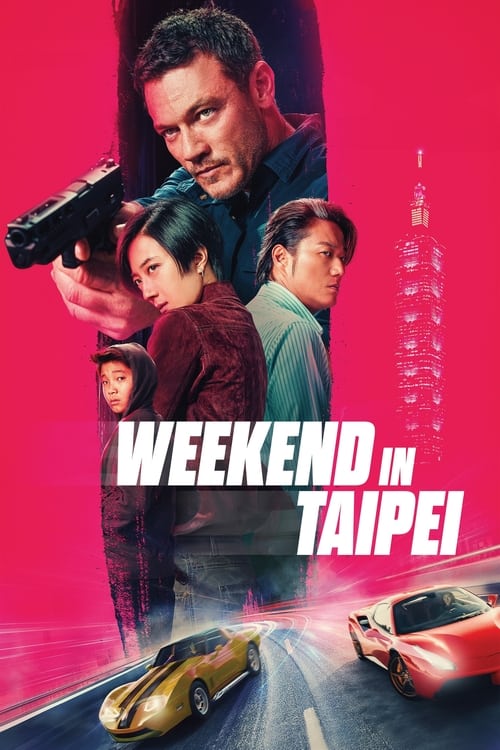
A former DEA agent and a former undercover operative revisit their romance during a fateful weekend in Taipei, unaware of the dangerous consequences of their past.