
User Score
5 votes
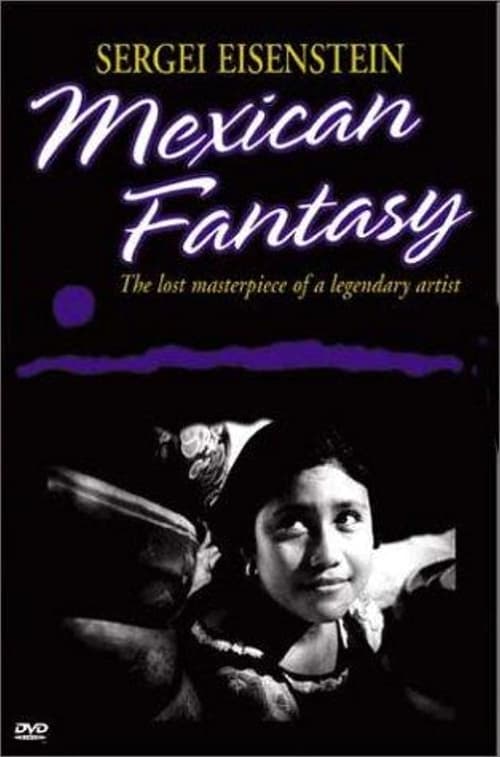
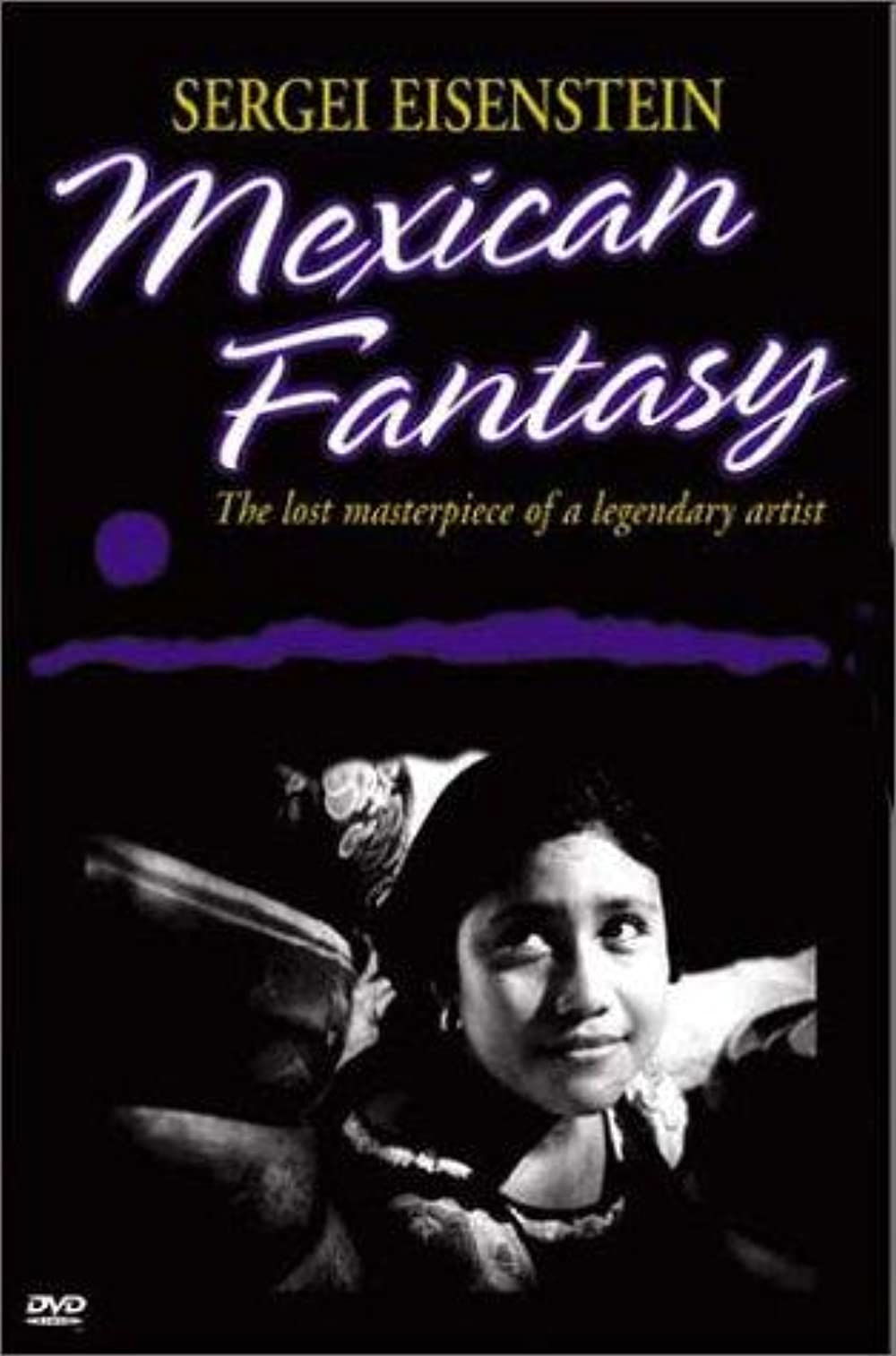
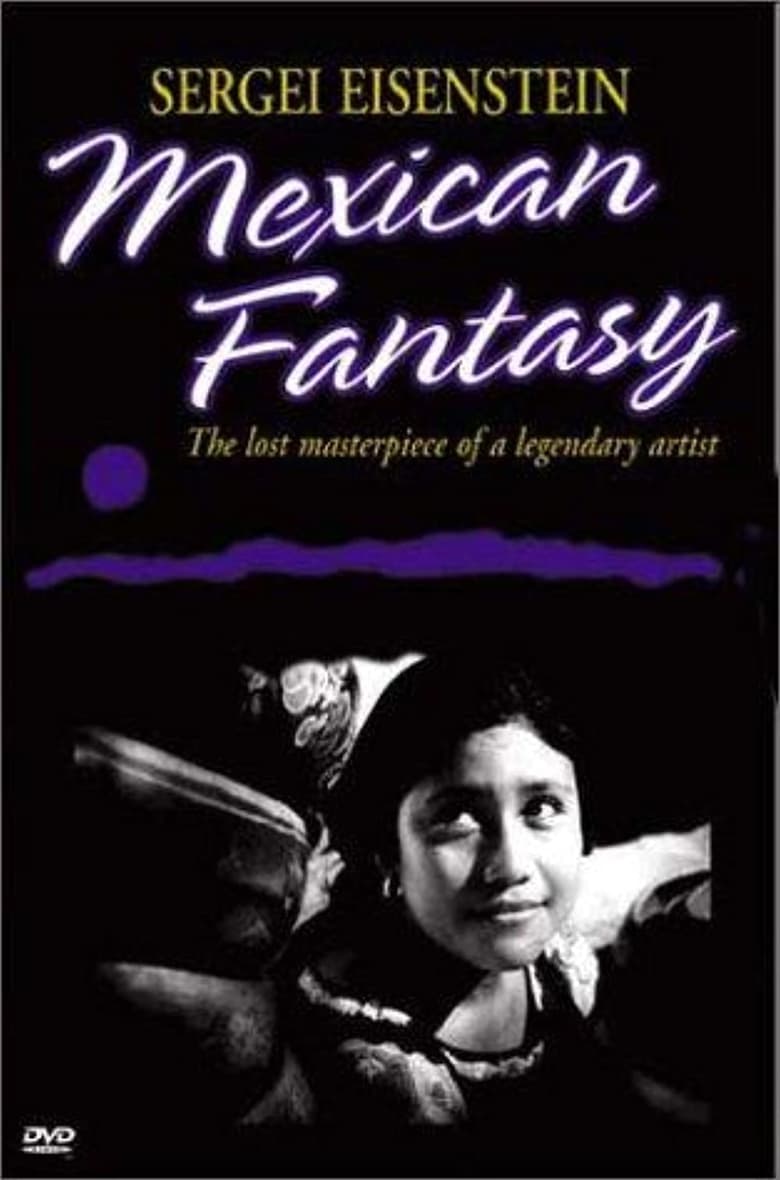
Eisenstein shot 50 hours of footage on location in Mexico in 1931 and 32 for what would have become ¡Que viva México!, but was not able to finish the film. Following two wildly different reconstruction attempts in 1939 (Marie Seton's 'Time in the Sun') and 1979 (Grigori Alexandrov's '¡Que viva México!') Kovalov has here compiled another hypothetical version of what Eisenstein's film might have been.
Status
Released
Original Language
RU
Matador
A documentary on the making of the three Godfather films, with interviews and recollections from the film makers and cast. This feature also includes the original screen tests of some of the actors for "The Godfather" film, and some candid moments on the set of "The Godfather: Part III."