
User Score
0 votes
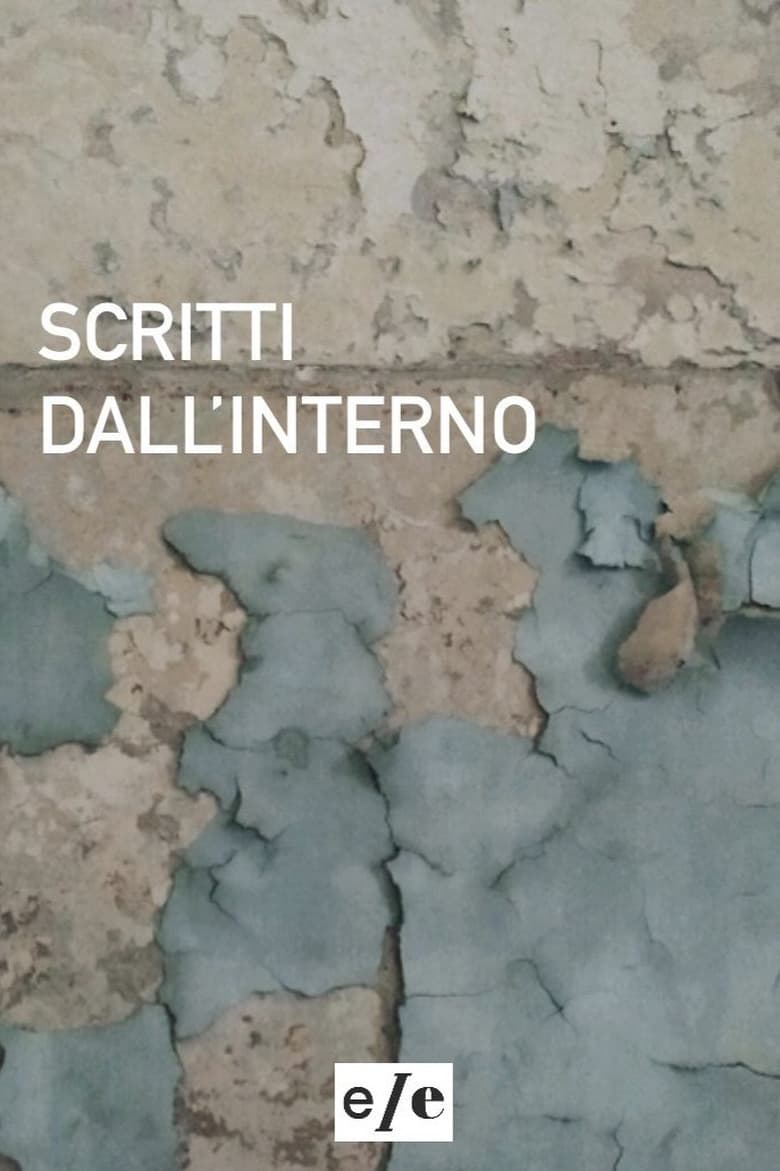
A nocturnal journey inside the abandoned spaces of the former Collegno mental hospital. Through the writings from within - the voices of the letters, diaries and testimonies of the internees - the labyrinthine and crumbling rooms come back to life and evoke the painful past of the psychiatric hospital. They tell of the electroshocks and tortures on adults and children carried out by Doctor Giorgio Coda, the "electrician" from Collegno. They tell of the official trial against him for torture and of the proletarian trial that Coda suffered at the hands of a Prima Linea group, led by one of his "patients". Only at dawn, with the story of the closure of the mental hospitals, will we see the light again.
Director
Director
Writer
Writer
Story
Status
Post Production
Original Language
IT

When Allied forces liberated the Nazi concentration camps in 1944-45, their terrible discoveries were recorded by army and newsreel cameramen, revealing for the first time the full horror of what had happened. Making use of British, Soviet and American footage, the Ministry of Information’s Sidney Bernstein (later founder of Granada Television) aimed to create a documentary that would provide lasting, undeniable evidence of the Nazis’ unspeakable crimes. He commissioned a wealth of British talent, including editor Stewart McAllister, writer and future cabinet minister Richard Crossman – and, as treatment advisor, his friend Alfred Hitchcock. Yet, despite initial support from the British and US Governments, the film was shelved, and only now, 70 years on, has it been restored and completed by Imperial War Museums under its original title "German Concentration Camps Factual Survey".
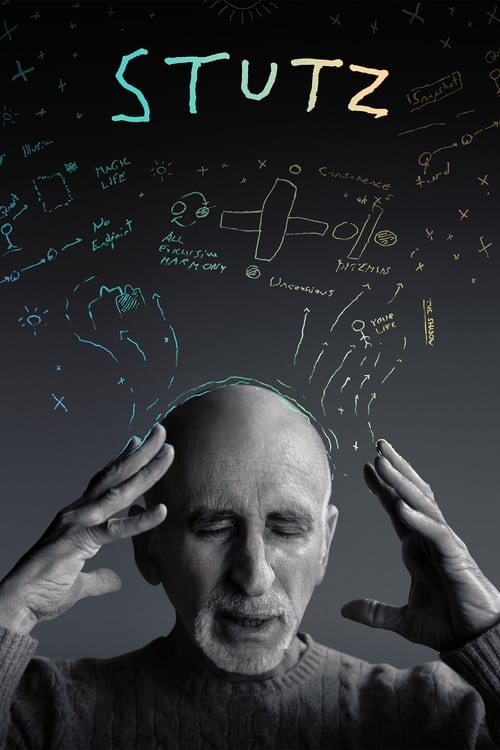
In candid conversations with actor Jonah Hill, leading psychiatrist Phil Stutz explores his early life experiences and unique, visual model of therapy.