
User Score
0 votes
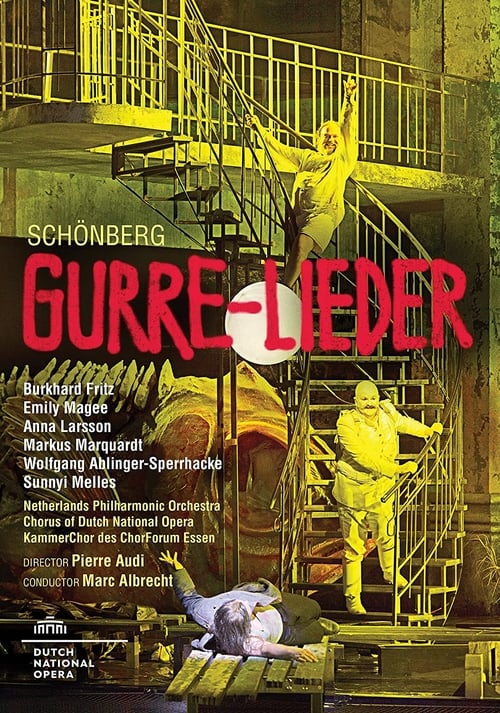
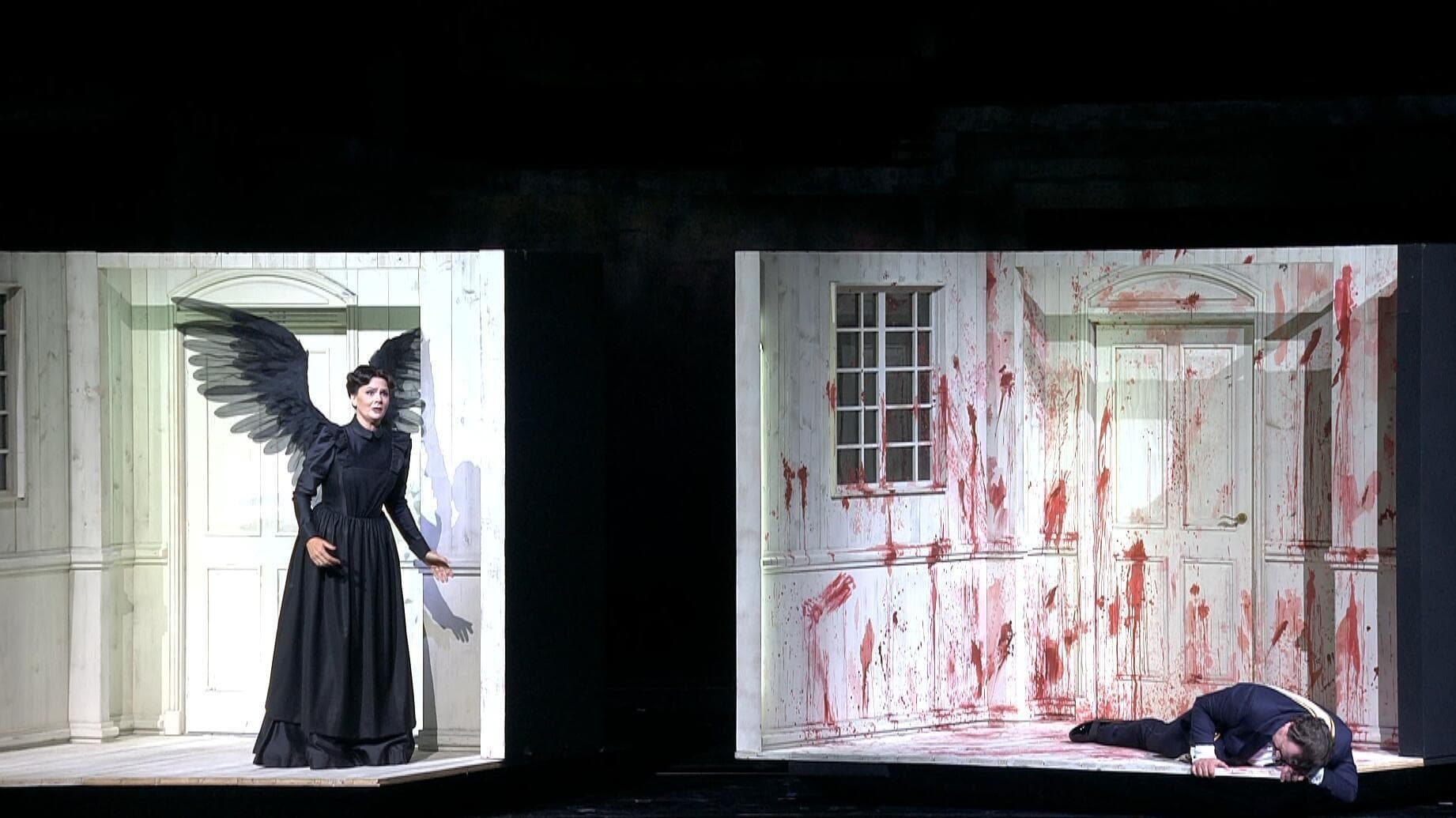
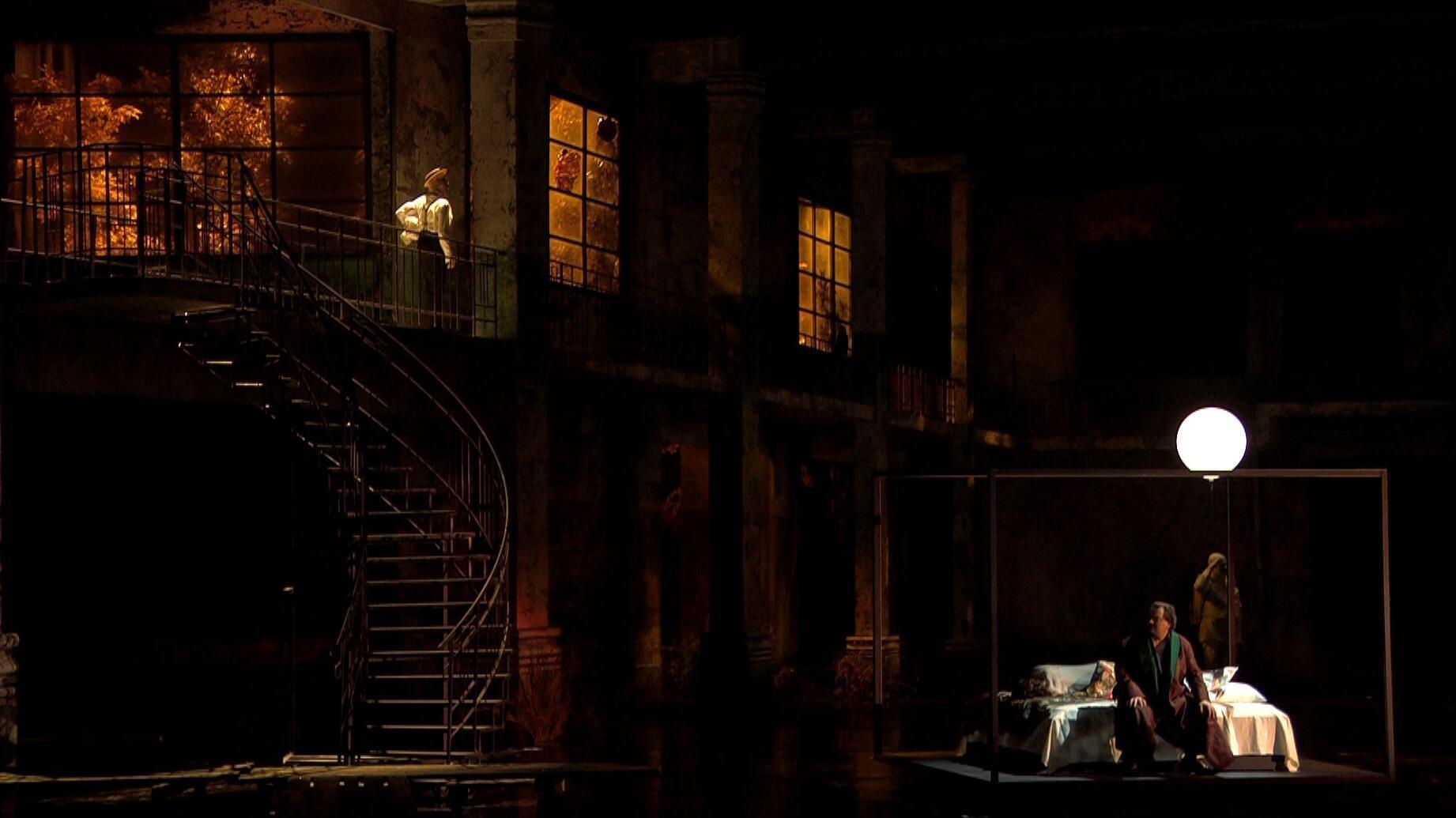
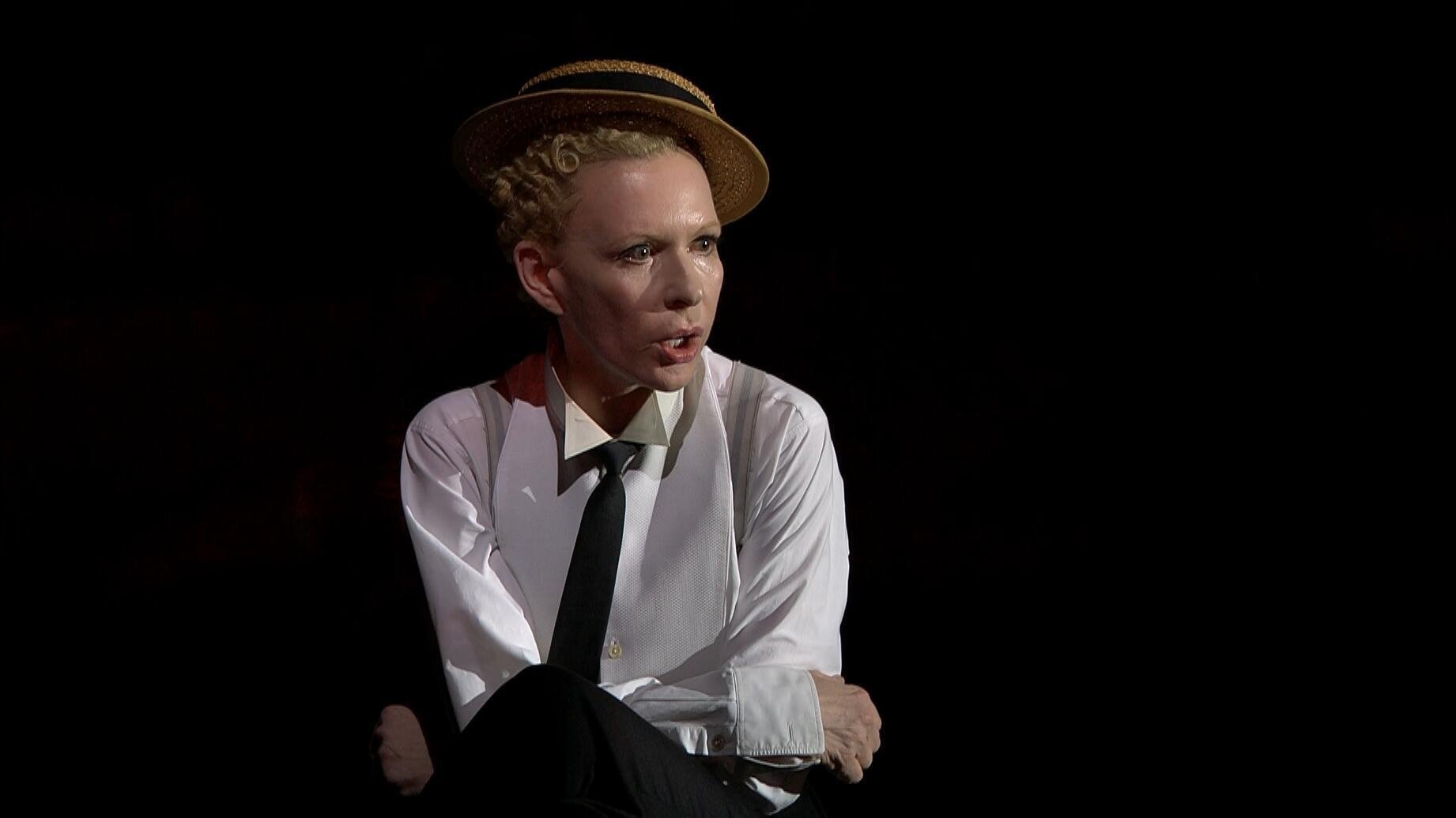
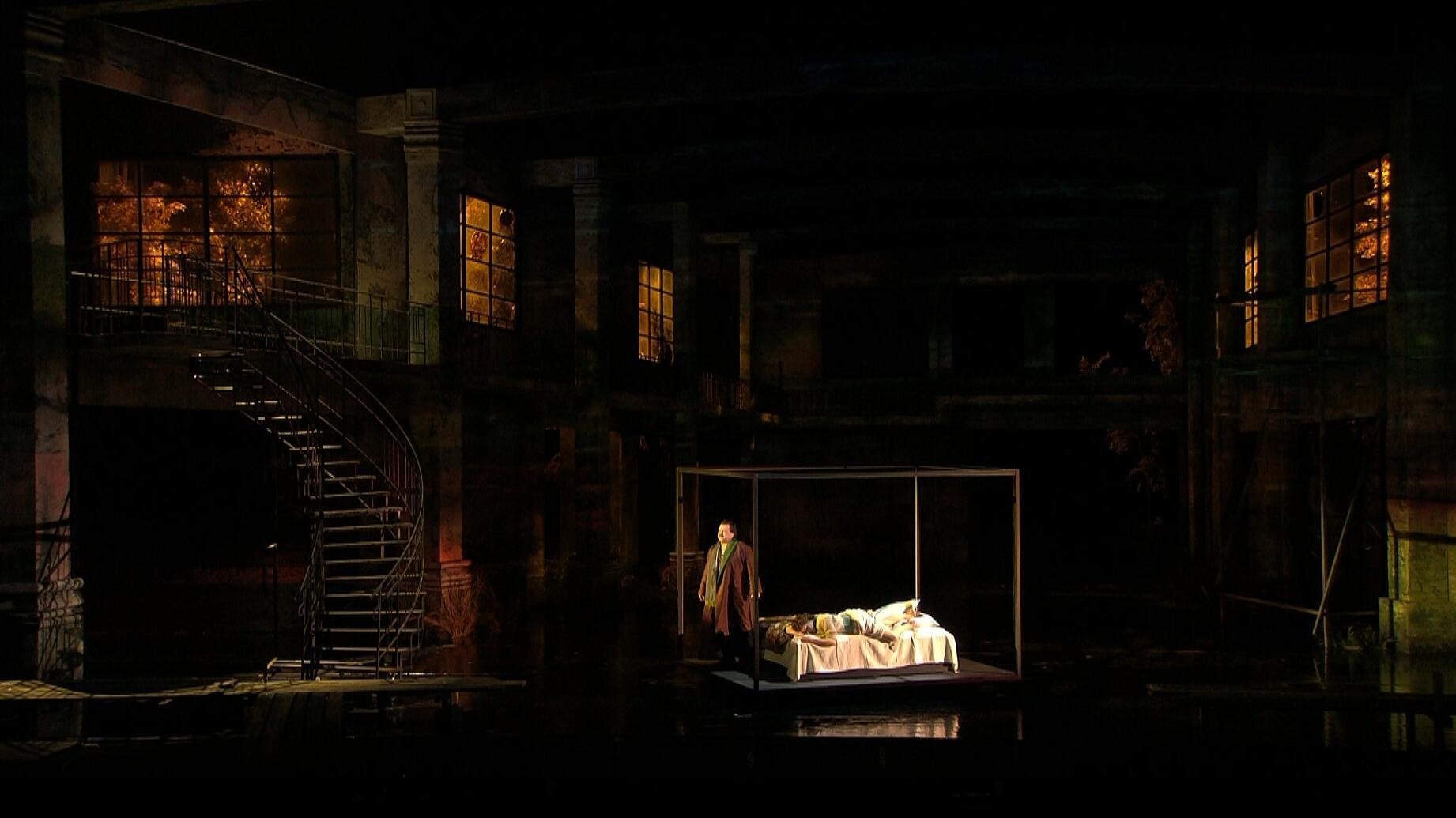
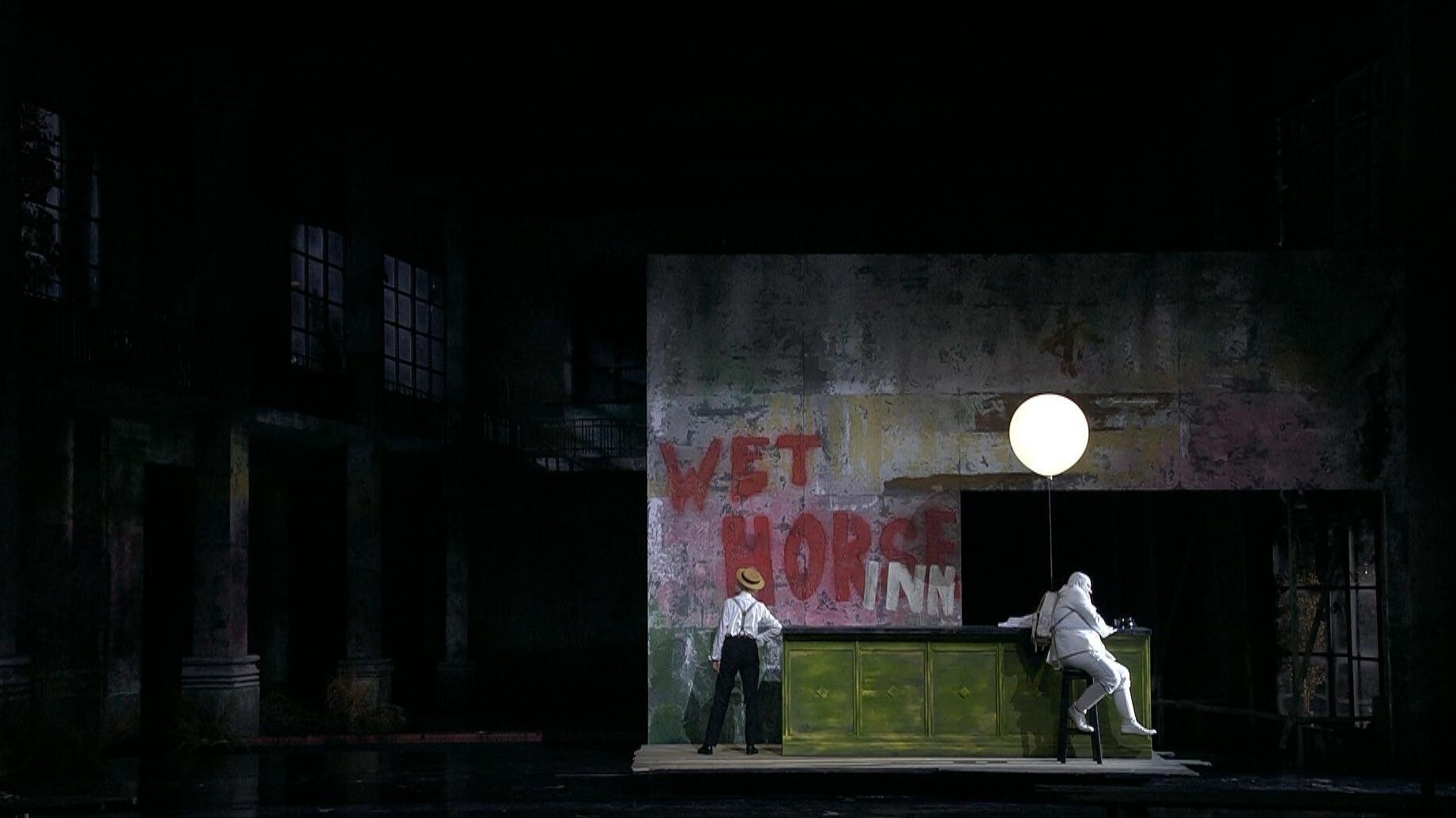
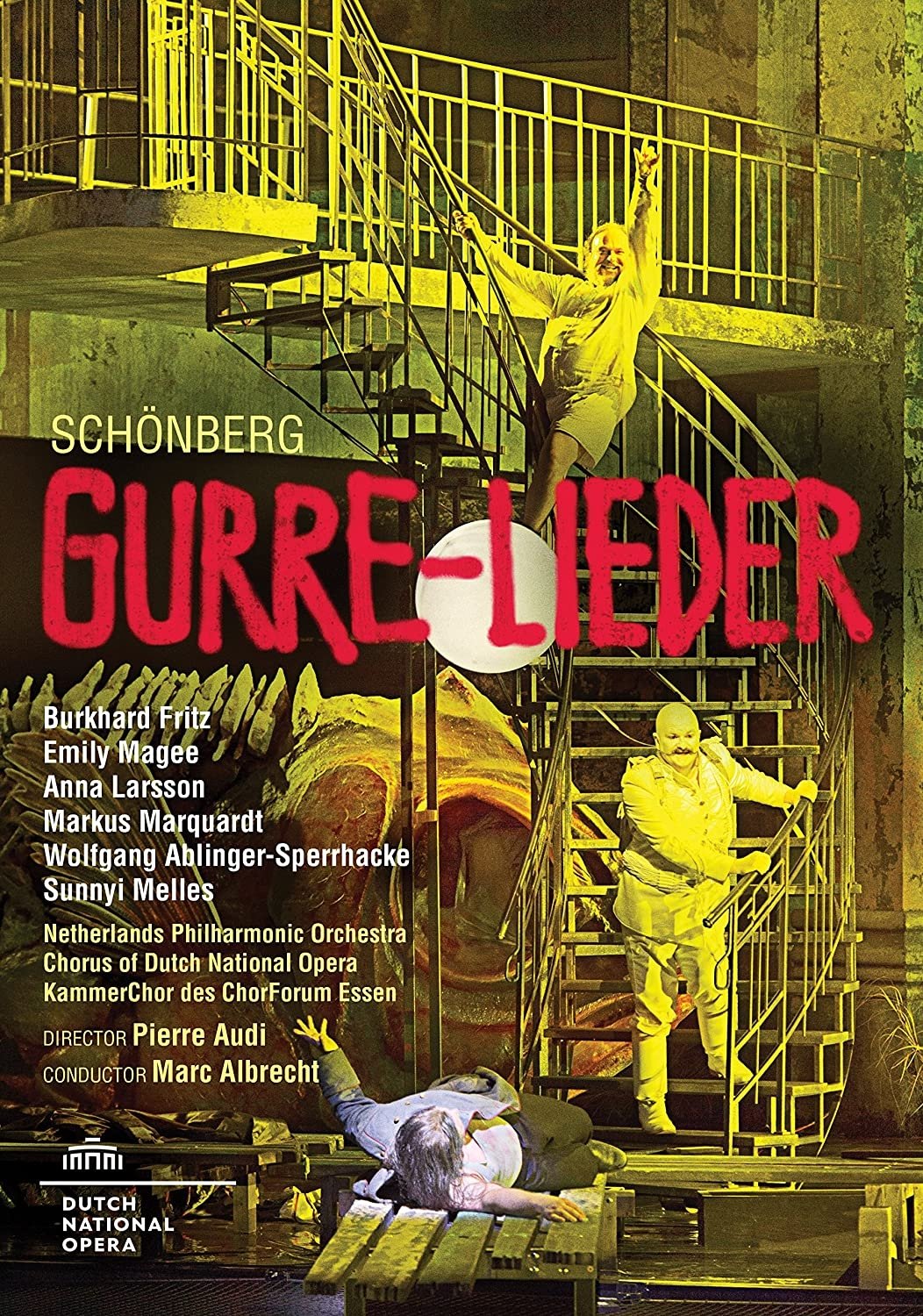
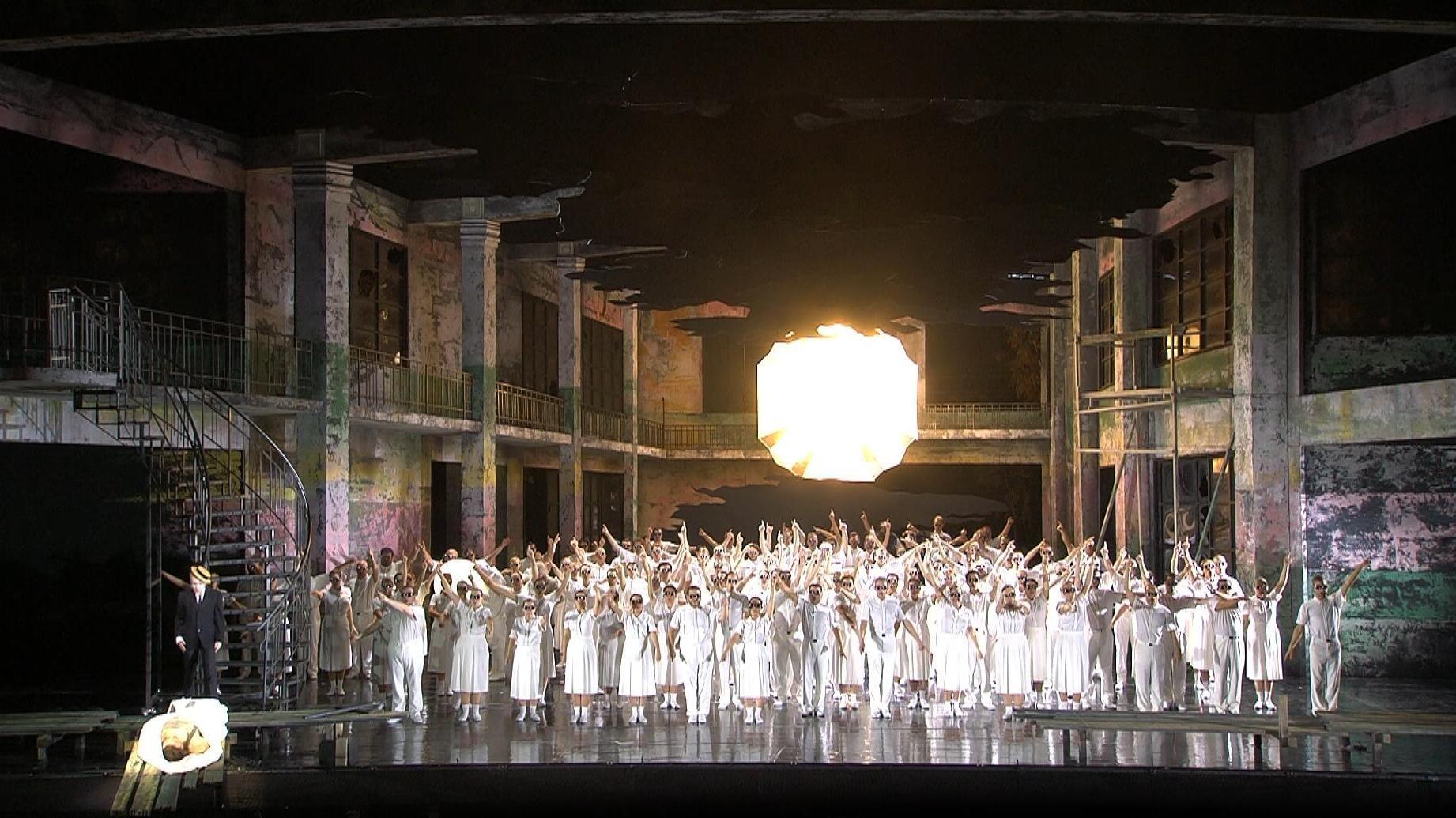
Rarely has a theatrical world premiere been so warmly received as Dutch National Opera’s production of Arnold Schönberg’s late-Romantic Gurre-Lieder in 2014. The production fulfilled a fervent wish of principal conductor Marc Albrecht. The music of Gurre-Lieder is timeless, and so is its subject: a passionate, yet forbidden love. The story harks back to a Scandinavian saga, situated in Gurre. King Waldemar loves the girl Tove, who is a mysterious character, connected to both the world of people and the world of birds. The queen is jealous and has Tove killed. The Wood Dove tells of this in a moving song and the king accuses God of cruelty. A nightmarish scene follows, of a fierce army killed in battle, which rampages like a horde of ghosts. The radiant dawn at the end of Gurre-Lieder shows the insignificance of human destiny compared to the power of nature.
Director
Status
Released
Original Language
EN
Klaus Narr
In the years before World War II, a tomboyish postulant at an Austrian abbey is hired as a governess in the home of a widowed naval captain with seven children and brings a new love of life and music into the home.