
User Score
1 votes
No overview available.
Director
Screenplay
Status
Released
Original Language
DE
Hugo
Caesar
Balduin
Mary
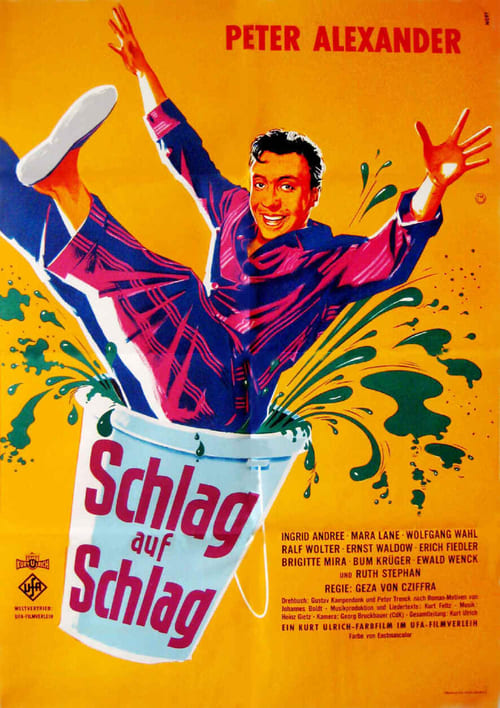
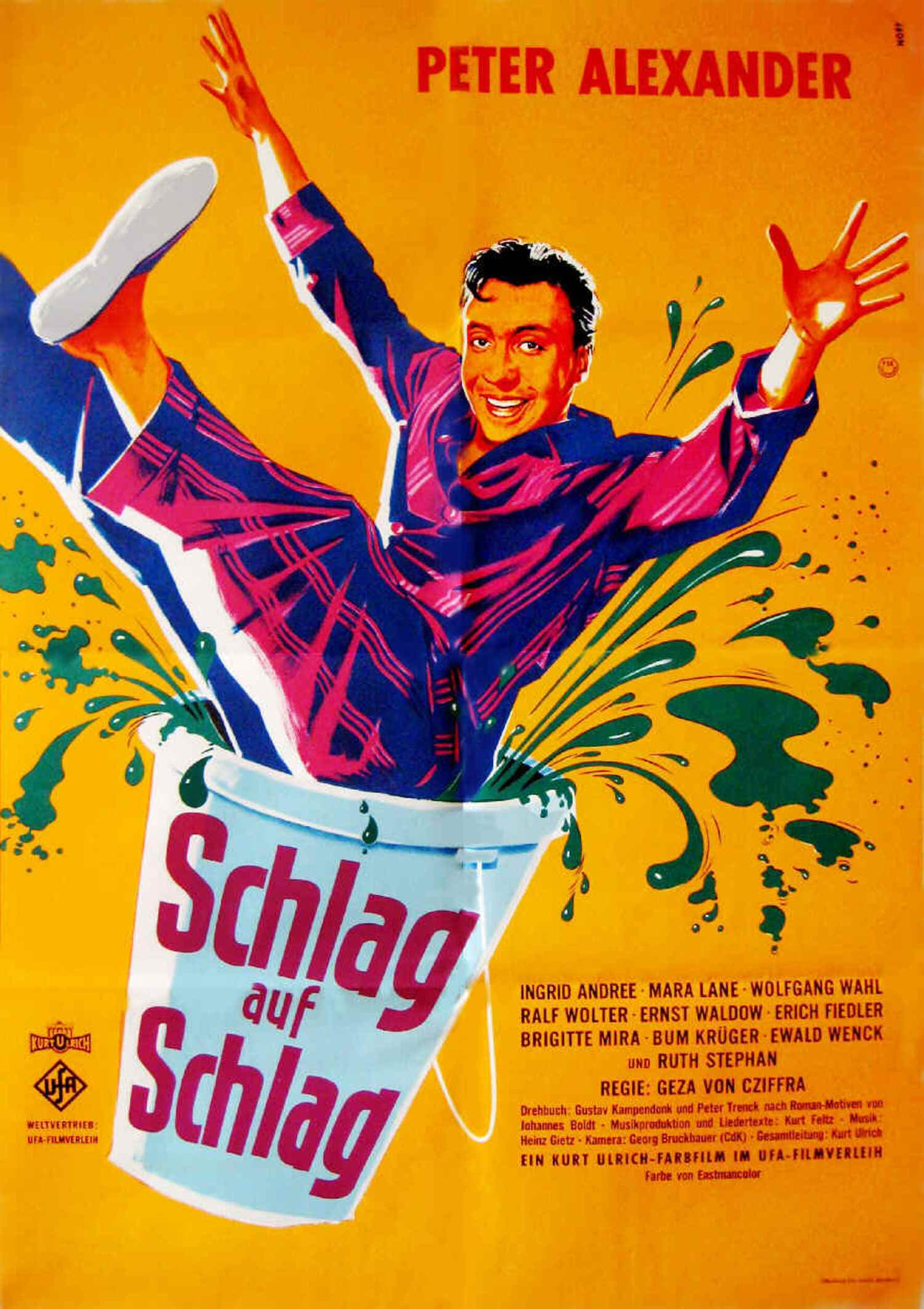
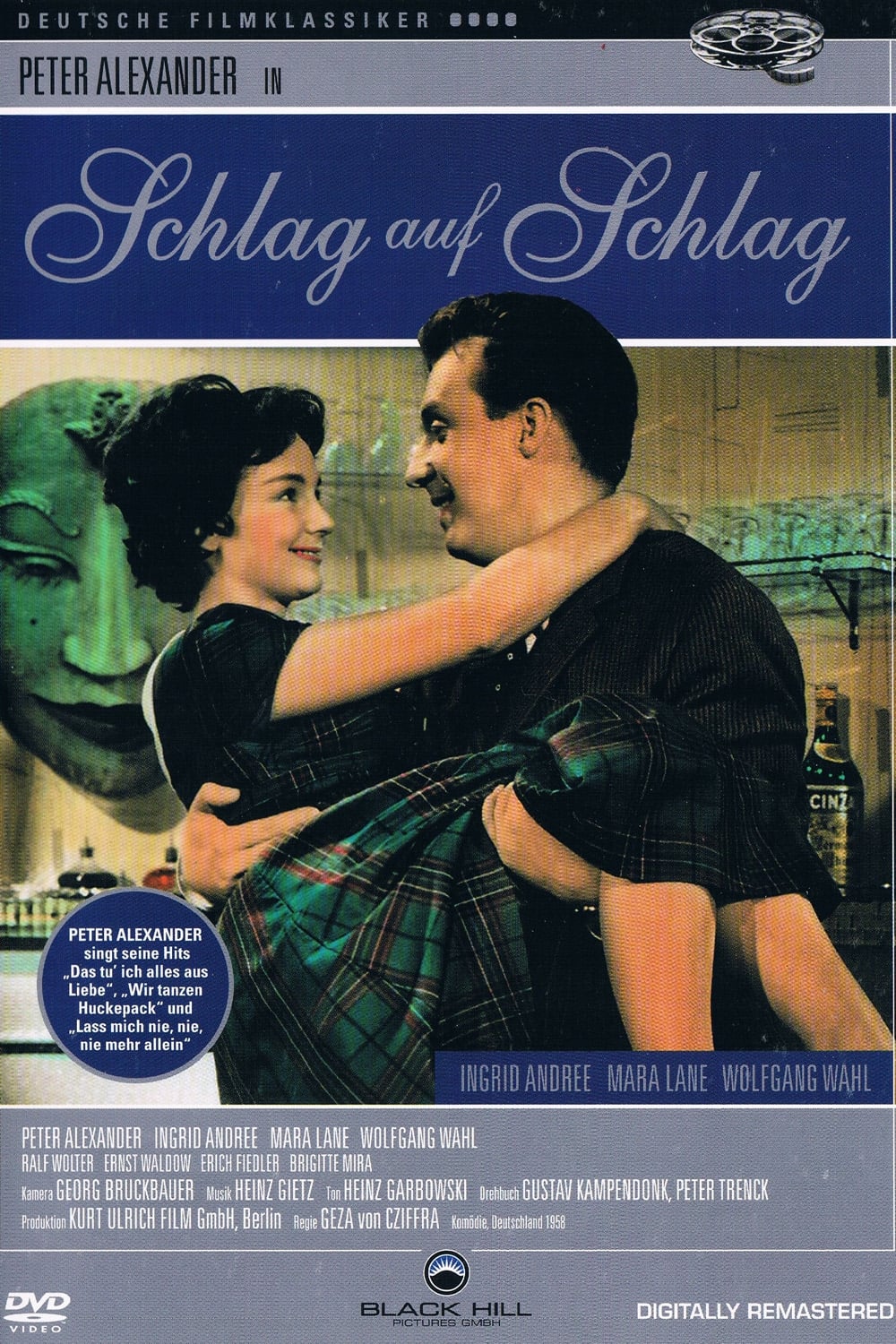
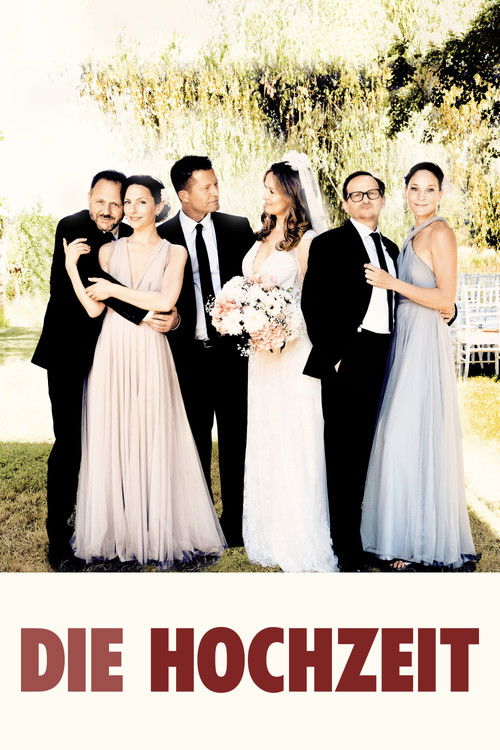
A film director fades away from the industry after the failed love with the heroine of his movie. After being rehabilitated, he learns that some people conspired his fall and decides to take revenge.
Stadtrat Mögele
Albert Hinze
Frau Hinze
Herr Marek
Amtsdiener
Gisela
Trauzeuge
o.A.
An animated road-movie set across the vast and barren landscape of Australia's Nullarbor Plain.
"This piece, with the generic title Film, is a series of short videos built around one protocol: a snippet of news from a newspaper of the day, is rolled up and then placed on a black-inked surface. On making contact with the liquid, the roll opens and of Its own accord frees itself of the gesture that fashioned it. As it comes alive in this way, the sliver of paper reveals Its hitherto unexposed content; this unpredictable kinematics is evidence of the constant impermanence of news. As well as exploring a certain archaeology of cinema, the mechanism references the passage of time: the ink, whether it is poured or printed, is the ink of ongoing human history." –Ismaïl Bahri
The third and final installment in Villeneuve's Dune trilogy. Based on Frank Herbert's novel Dune Messiah.
When a rare Lakota Ghost Shirt falls into the black market in a small town in South Dakota, the lives of local outsiders and outcasts violently intertwine.
Juliette goes back in her hometown to spend some time with her family. She finds herself between a loving but moody father, a New Age mother, a sister in the midst of an existential crisis, and a grandmother slowly losing her mind. Buried memories and family secrets rise to the surface in this sweet, tender and sometimes extravagant family portrait.
As John T. Wrecker continues his task of protecting a group of refugees from a virus, the threat of something new and even more dangerous grows ever closer in the form of monstrous mutants.
Roughly chronological, from 3/96 to 11/96, with a coda in spring of 1997: inside compounds of Aum Shinrikyo, a Buddhist sect led by Shoko Asahara. (Members confessed to a murderous sarin attack in the Tokyo subway in 1995.) We see what they eat, where they sleep, and how they respond to media scrutiny, on-going trials, the shrinking of their fortunes, and the criticism of society. Central focus is placed on Hiroshi Araki, a young man who finds himself elevated to chief spokesman for Aum after its leaders are arrested. Araki faces extreme hostility from the Japanese public, who find it hard to believe that most followers of the cult had no idea of the attacks and even harder to understand why these followers remain devoted to the religion, if not the violence.
Pietro Rinaldi, an elderly writer, widower and tired of life, plans to commit suicide on his birthday. After the sudden and tragic death of his daughter and son-in-law, Pietro will have to look after his teenage nephew Mattia.
Before the three feature films, Mario Schifano directs the camera towards the people around him to create real film diaries. His friends, his time partner and the artists he frequented are portrayed in their everyday life or object of the mechanical gaze of the camera, a filter through which to look at the outside world.
A hitman is tasked to take out ex-mobsters when he suddenly hears a voice that questions his morality.
Takumi and his daughter Hana live in Mizubiki Village, close to Tokyo. One day, the village inhabitants become aware of a plan to build a camping site near Takumi's house offering city residents a comfortable "escape" to nature.