User Score
1 votes
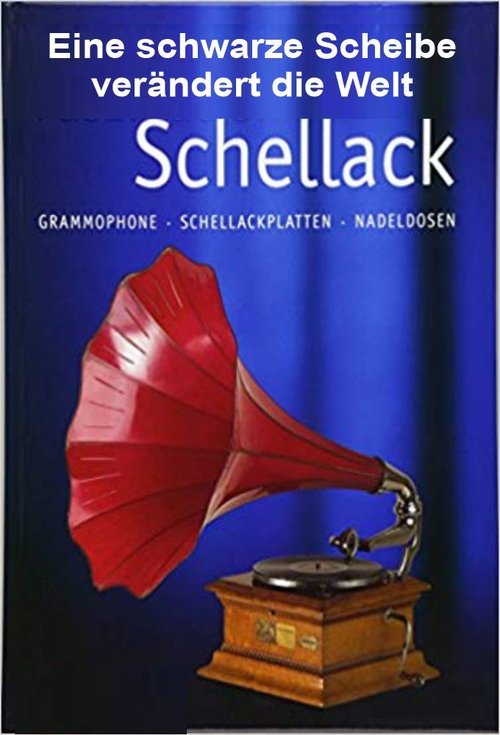
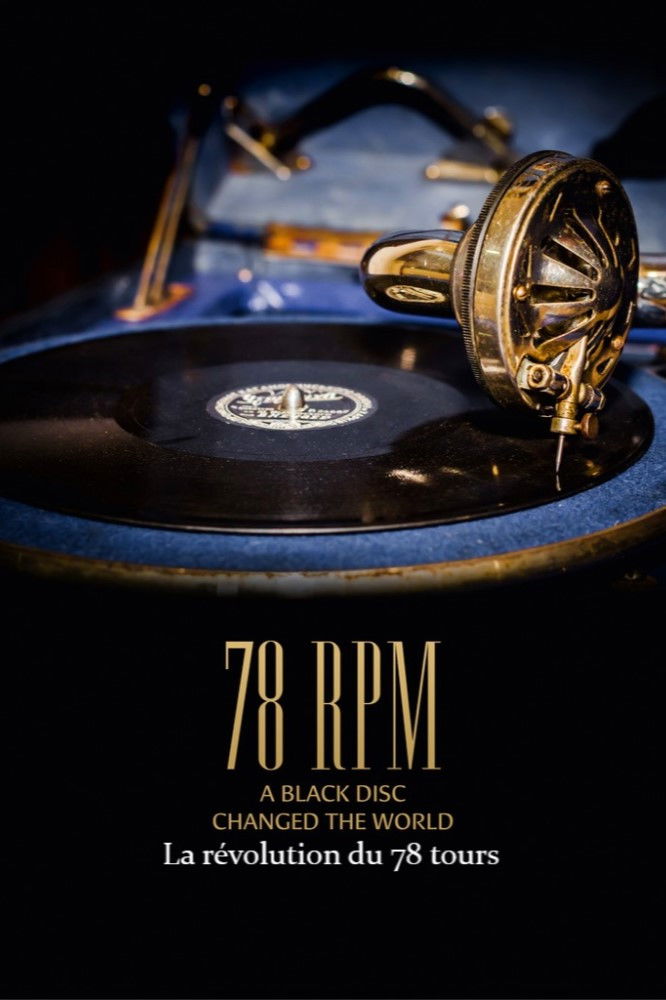
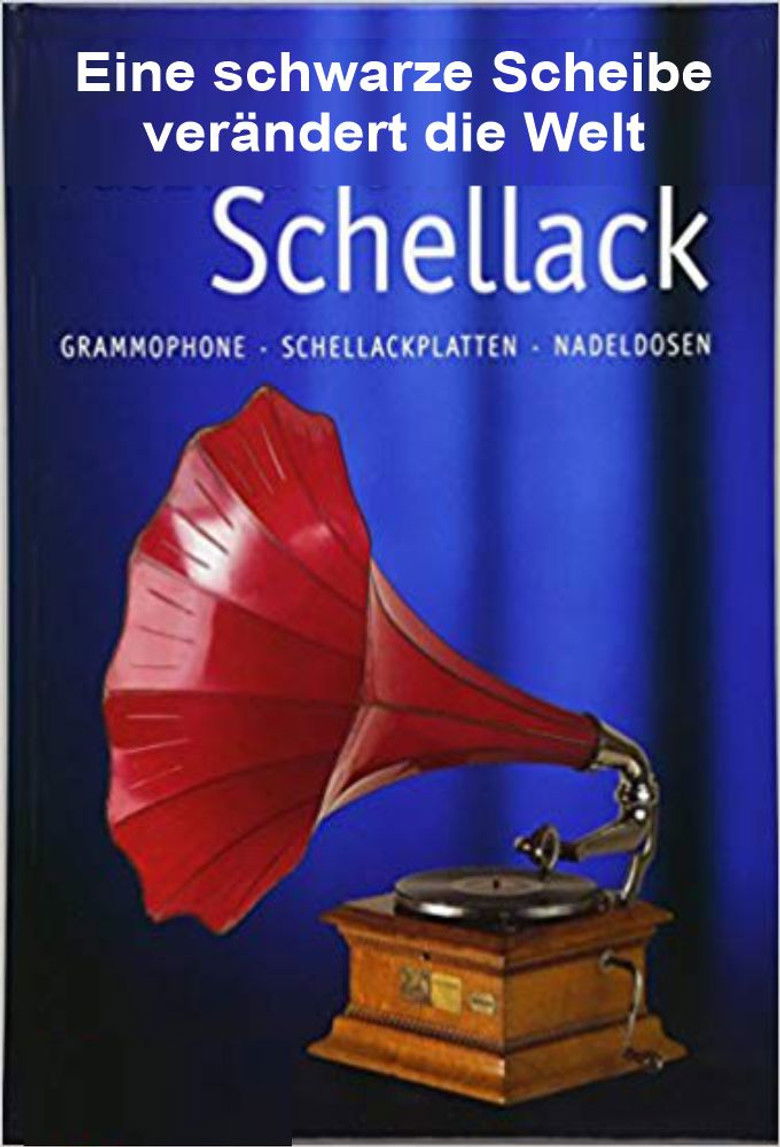
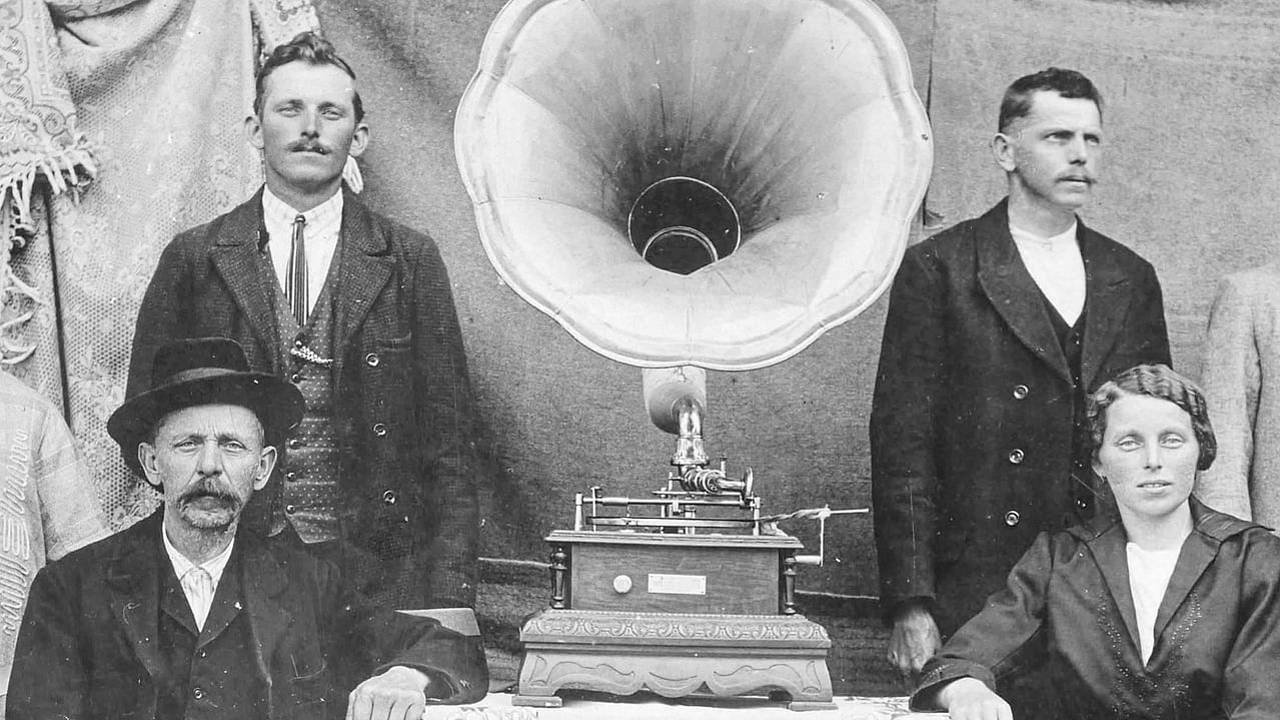
A black paste that made our world louder and happier: when inventor Emil Berliner began using shellac as a sound carrier in 1896, this was the initial spark for a media revolution that has continued right up to the present day. It had already begun ten years earlier with Emil Berliner's invention of the gramophone. Together, the record and the record player changed people's everyday lives. It was a revolution - technically and culturally - because shellac records, unlike wax cylinders, could be reproduced and distributed on a mass scale. 78 revolutions per minute became the standard playback speed and shellac - the resinous paste made from slate flour, cotton, soot and the resin of the lacquer louse - gave the record its name and became synonymous with an era.
Director
Director
Status
Released
Original Language
DE
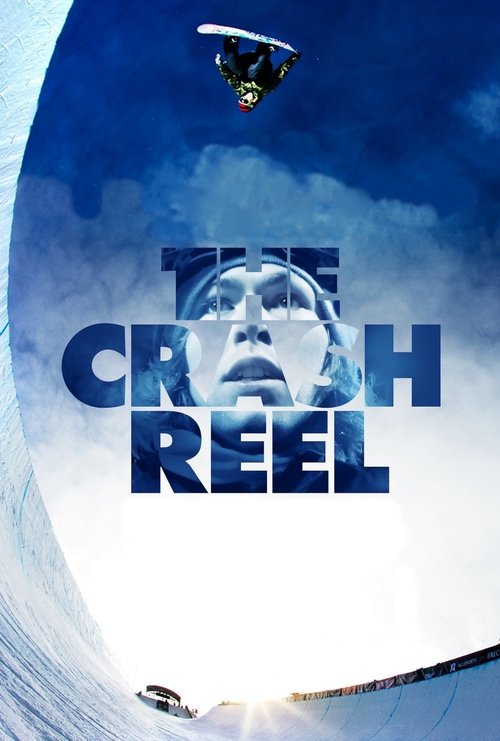
The Crash Reel tells the story of a sport and the risks that athletes face in reaching the pinnacle of their profession. This is Kevin Pearce’s story, a celebrated snowboarder who sustained a brain injury in a trick gone wrong and who now aims, against all the odds, to get back on the snow.