
User Score
0 votes
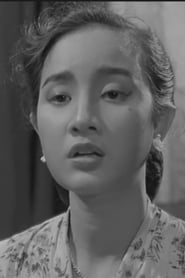
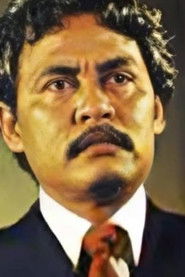
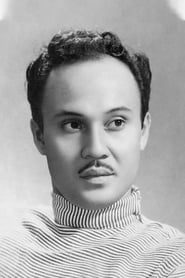
Drawing from the novel, lenong (play) and the previous film (Njai Dasima I), this new film version has heightened erotic scenes considered the boldest for its time. But as mentioned by the director, the eroticism is meant to reveal the psychological aspects of the characters. Unlike the previous version, that mainly highlights conflict between love and witchcraft, this one features social and psychological conflicts. For example, how Dasima feels like an outsider with Edward Williams’s friends, or how she prefers leaving their house to live with her maid in the village. It also shows more background of the Samiun and Hayati characters - Samiun is a black market trader with a lot of debts and Hayati is a woman obsessed with gambling to get rich. When his debts are due and he is unable to pay, Samiun asks his friend, Puasa, to “rob” him while he is returning to their village with Dasima.
Status
Released
Original Language
ID
Rory is an ambitious entrepreneur who brings his American wife and kids to his native country, England, to explore new business opportunities. After abandoning the sanctuary of their safe American suburban surroundings, the family is plunged into the despair of an archaic '80s Britain and their unaffordable new life in an English manor house threatens to destroy the family.