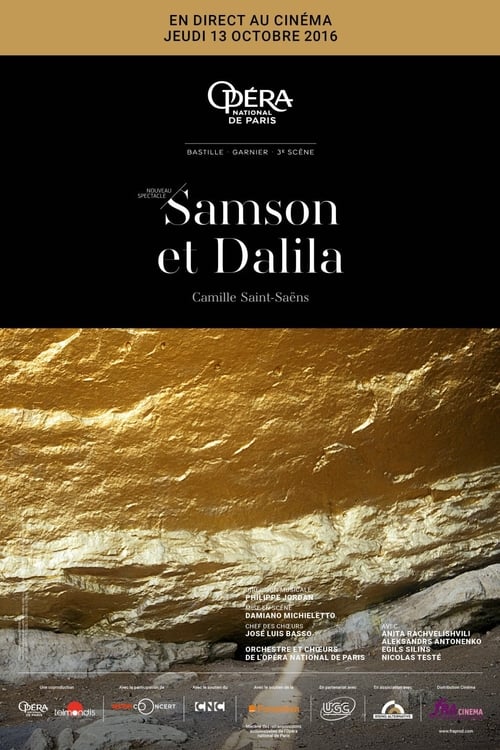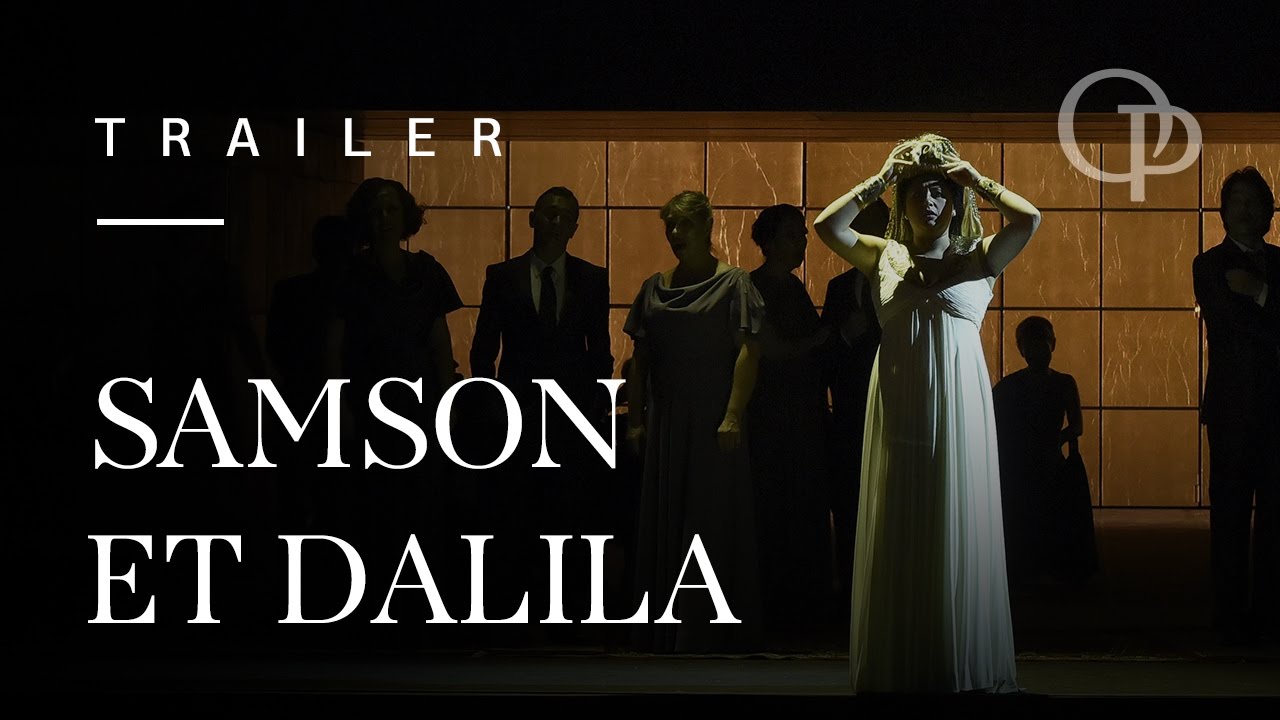
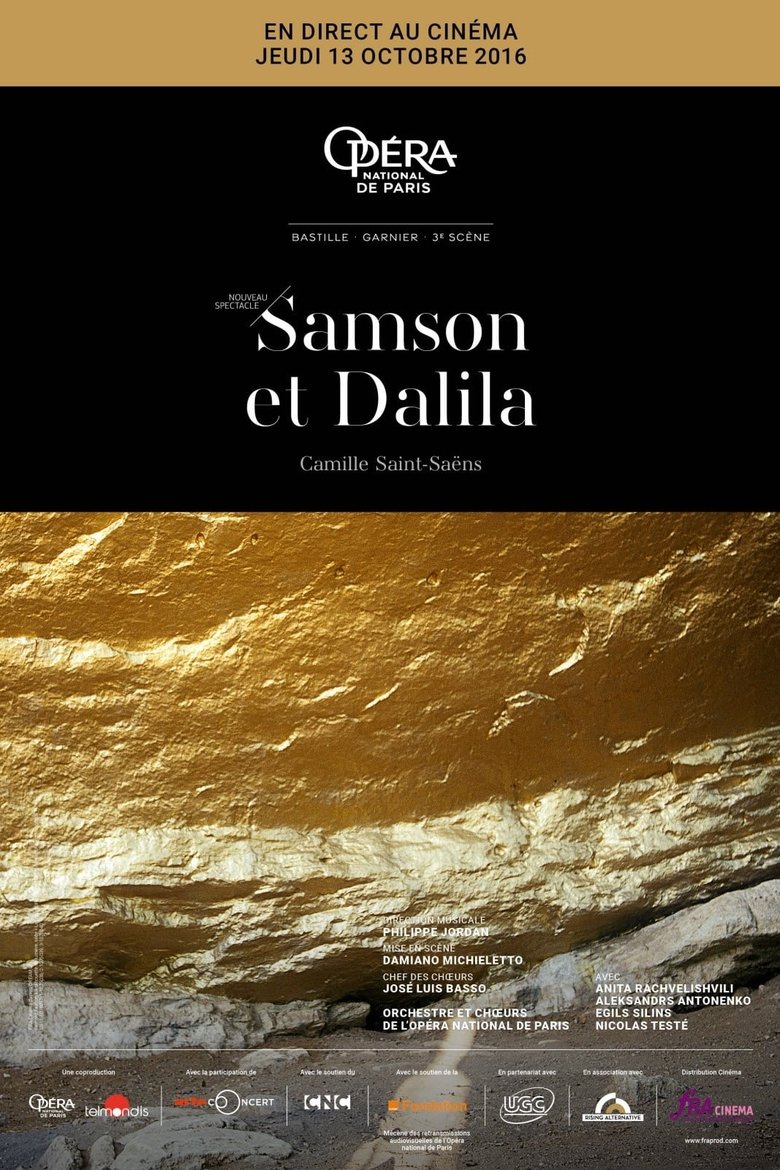
“Opera in three acts and four scenes (1877)”
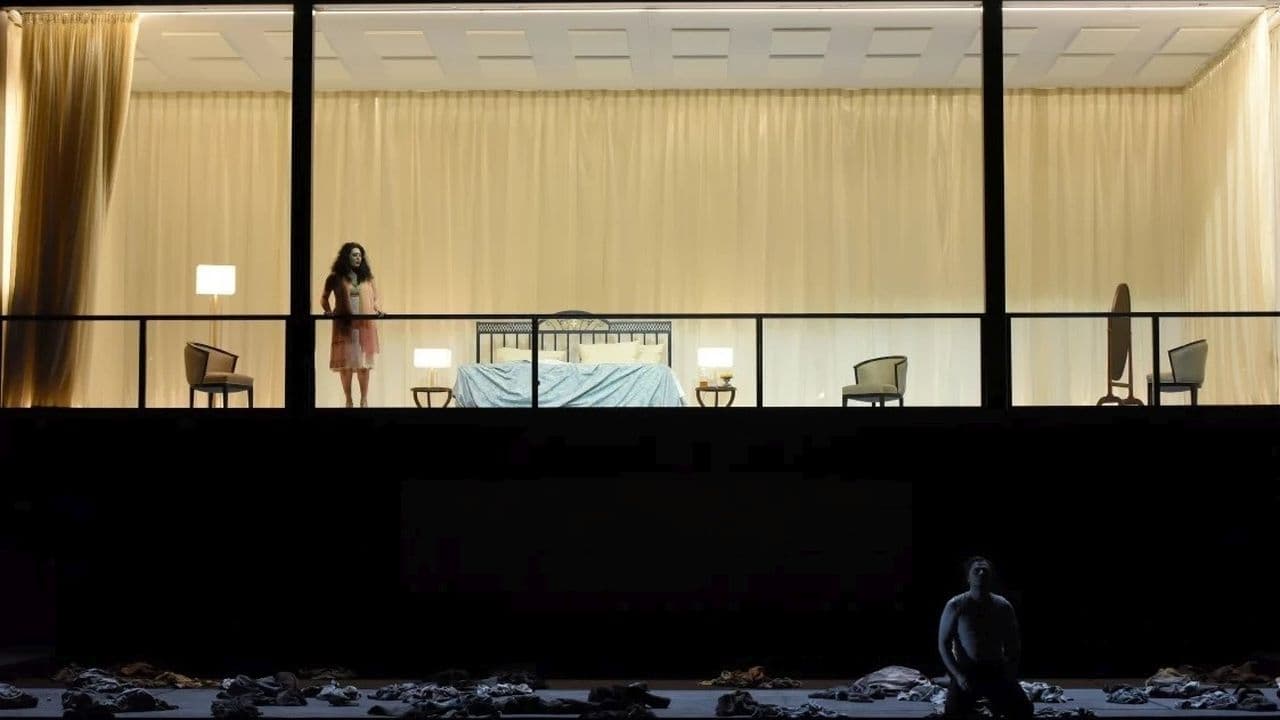
Lightning streaks through the skies as Dalila declares her love to Samson in one of the finest arias of romantic opera. “My heart awakens to your voice like a flower to the kiss of dawn.” An enchanting yet treacherous beauty… When the thunder at last rumbles, Dalila betrays Samson and offers him up to his enemies: “Come up, for this time he has shown me all his heart”, she whispers to them in the night (The Old Testament, Book of Judges). Based on a violent and erotic biblical story, Saint-Saëns’s opera – composed in 1877, much to Liszt’s insistence – would not be performed at the Palais Garnier until fifteen years later. This first Parisian performance in 1892 included the hitherto unperformed “Dance Of The Priestesses”. Nevertheless, it became one of the most performed French operas in the world, together with Faust and Carmen. Conducted by Philippe Jordan, this new production brings back a repertoire masterpiece that has not been performed at the Paris Opera for twenty-five years.
Screenplay
Status
Released
Original Language
FR

Old Hebrew
On election night in 1981, celebrations spill out onto the street and there is an air of hope and change throughout Paris. But for Elisabeth, her marriage is coming to an end and she will now have to support herself and her two teenage children. She finds work at a late-night radio show and encounters a troubled teenager named Talulah whom she invites into her home.