User Score
3 votes
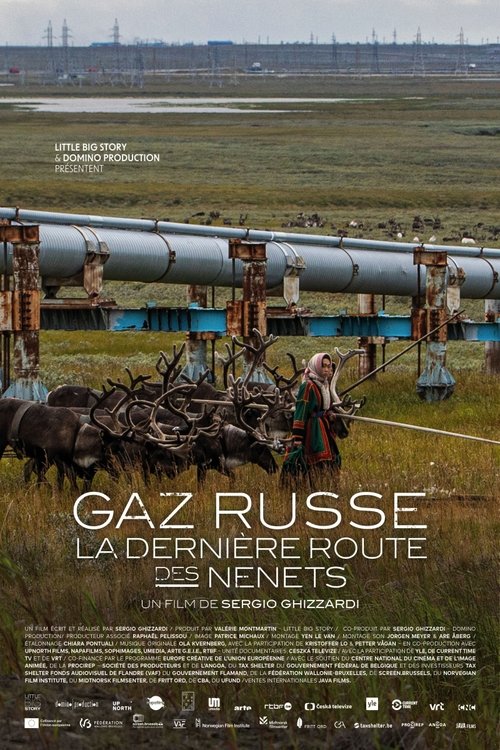
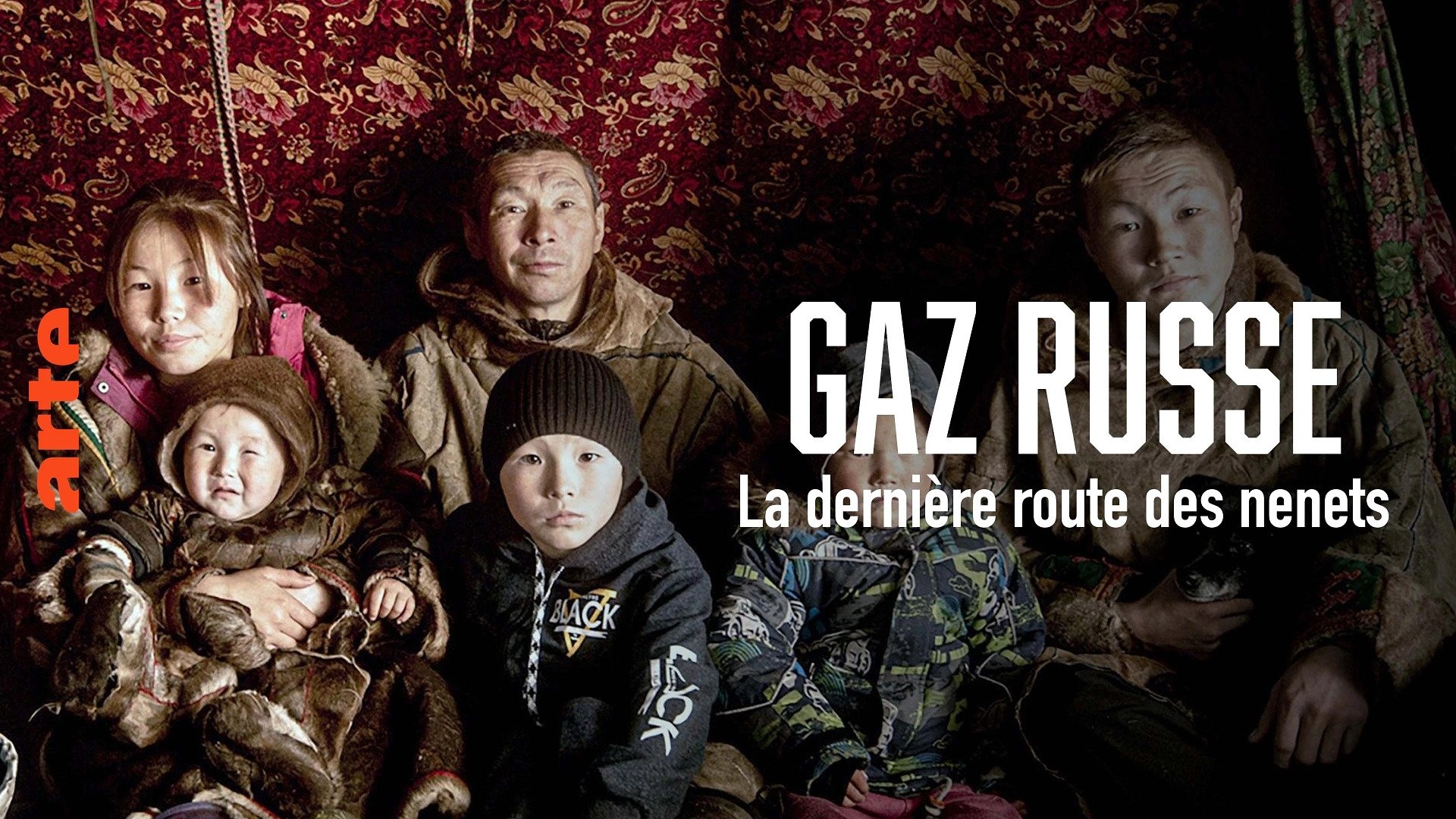
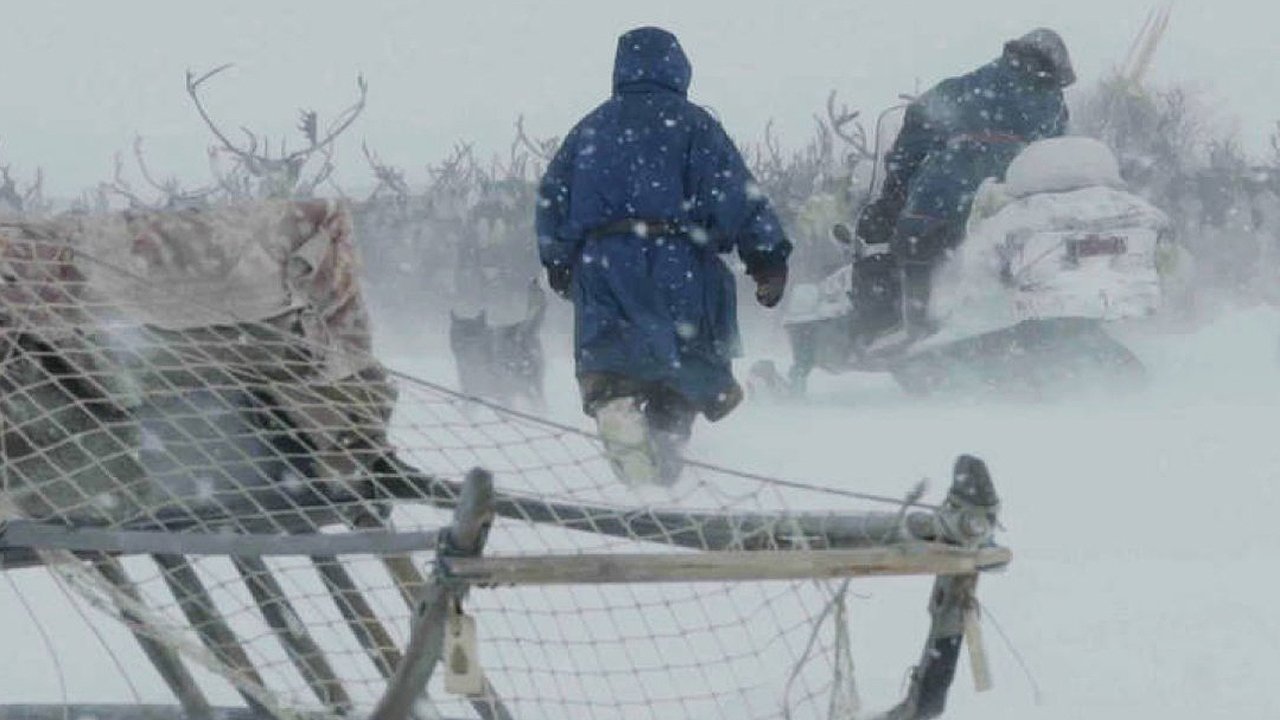
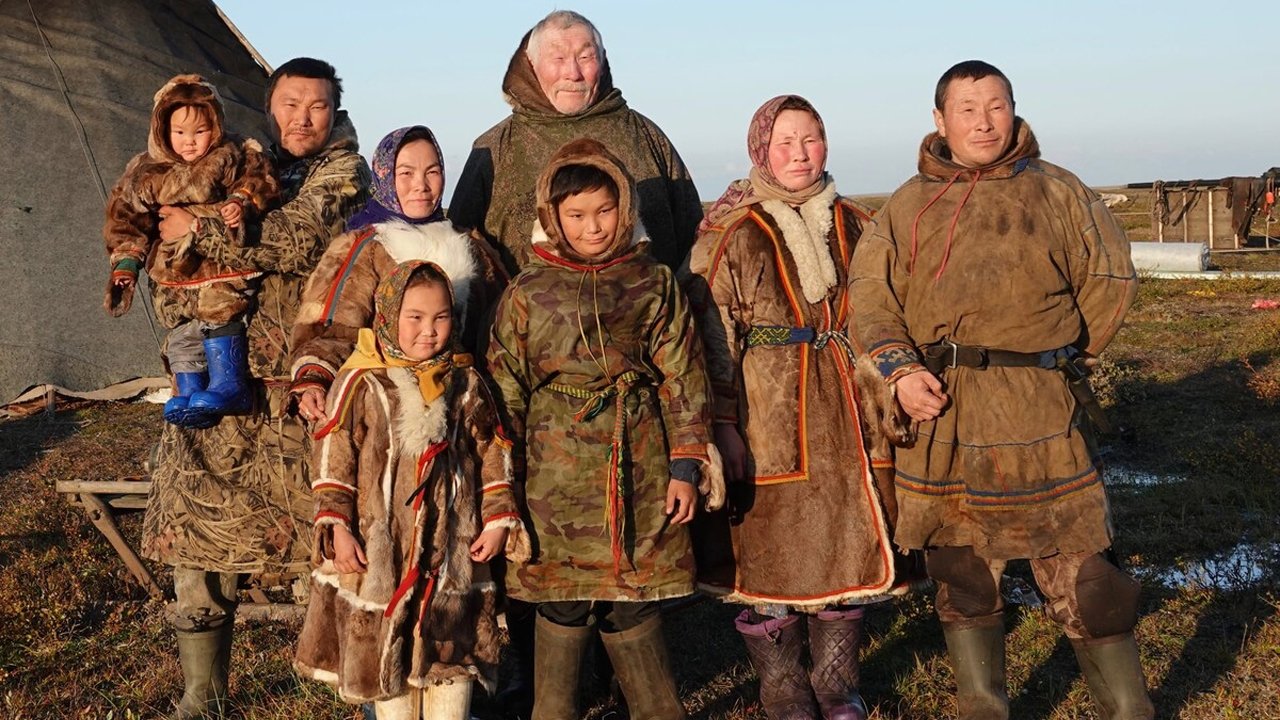
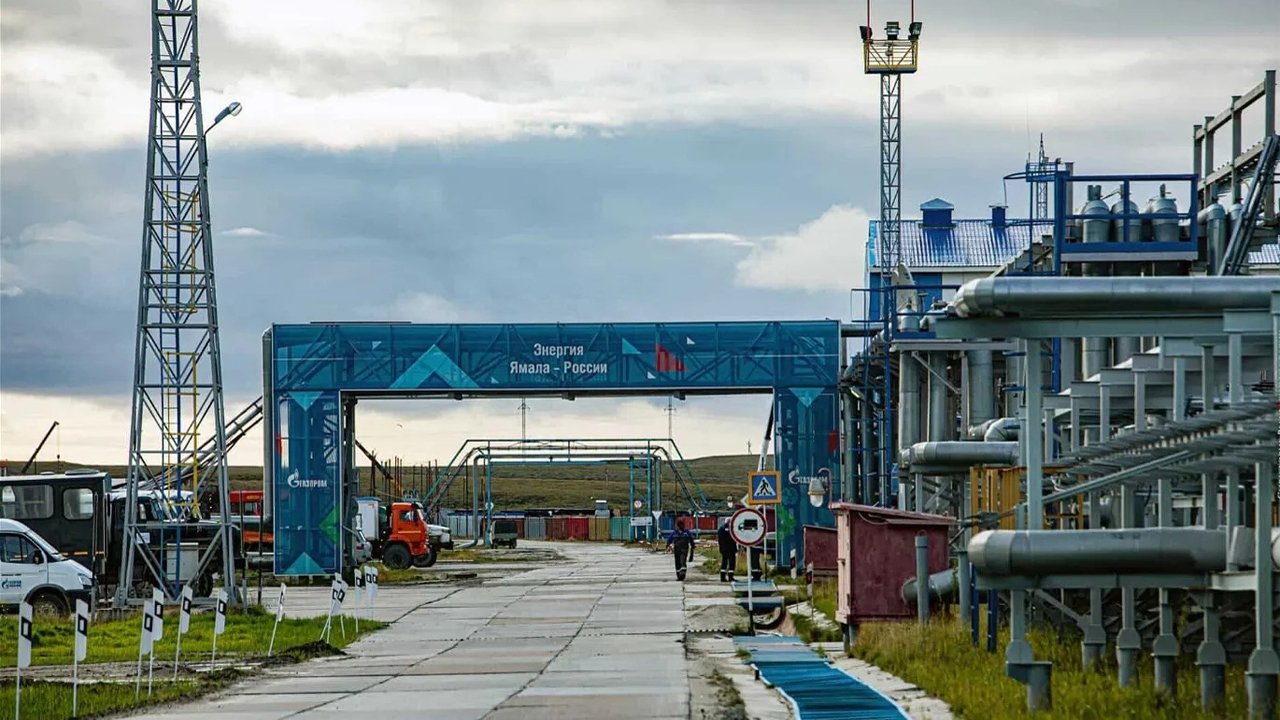
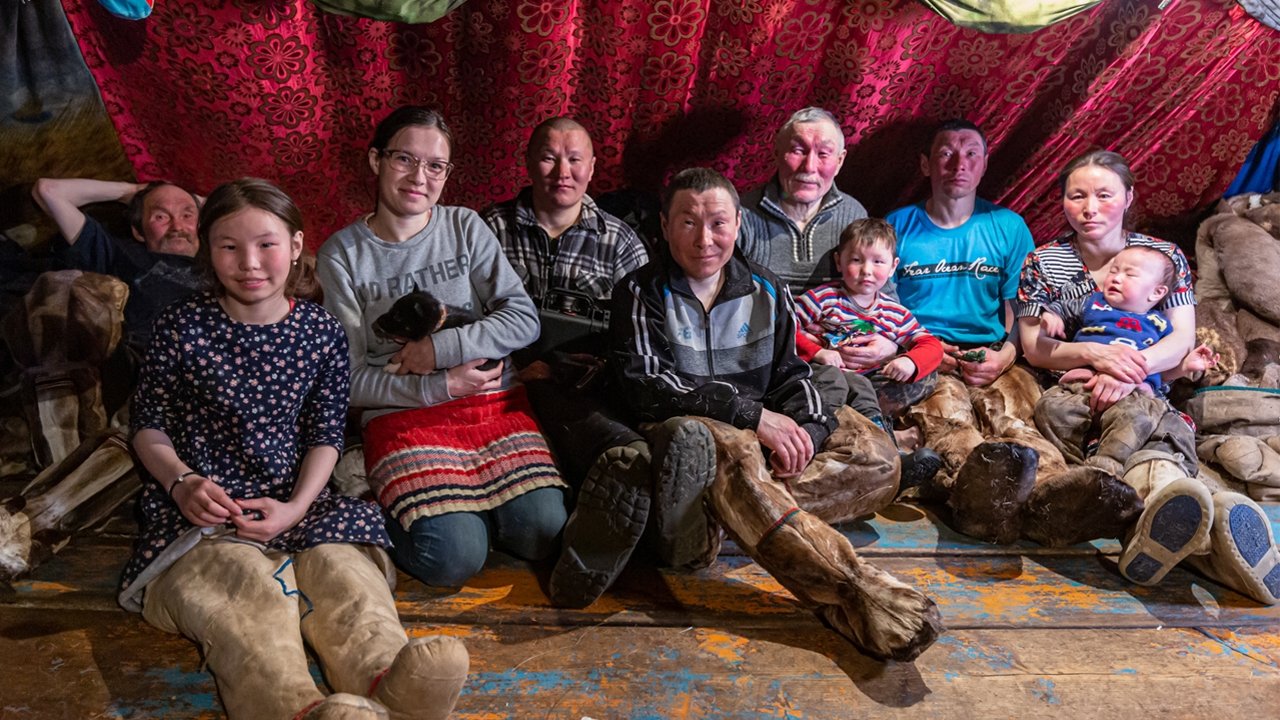
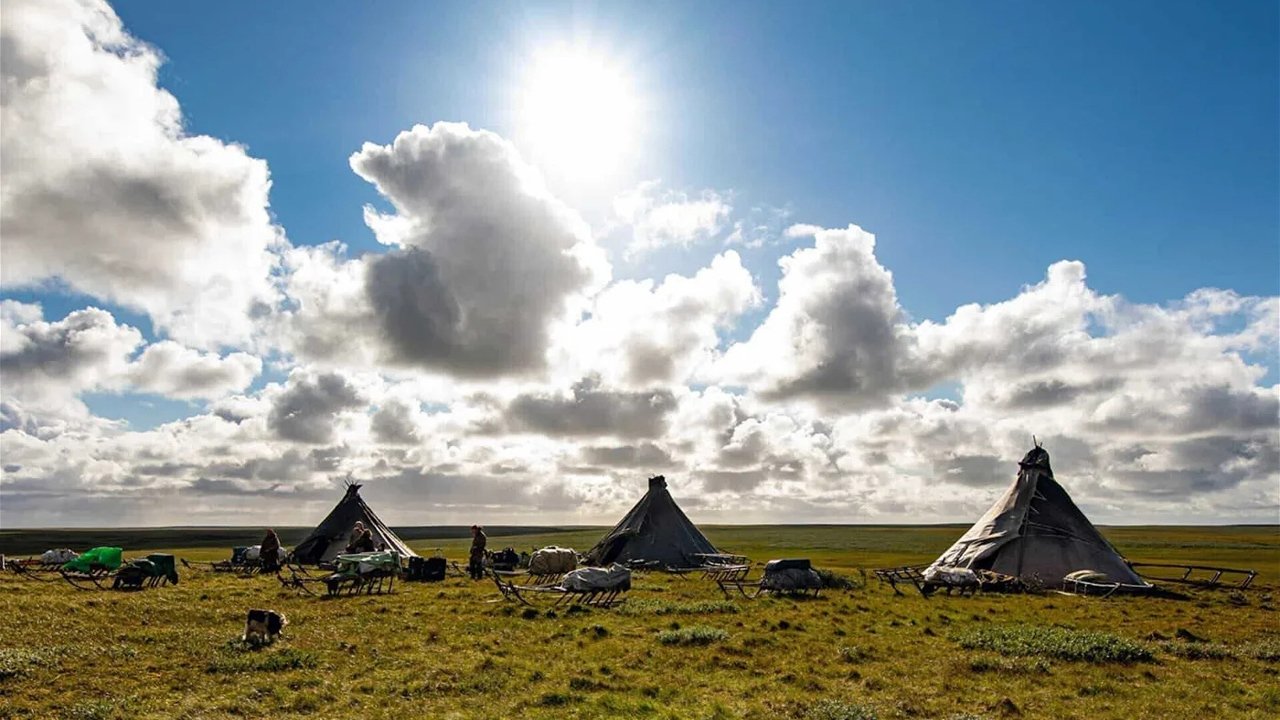
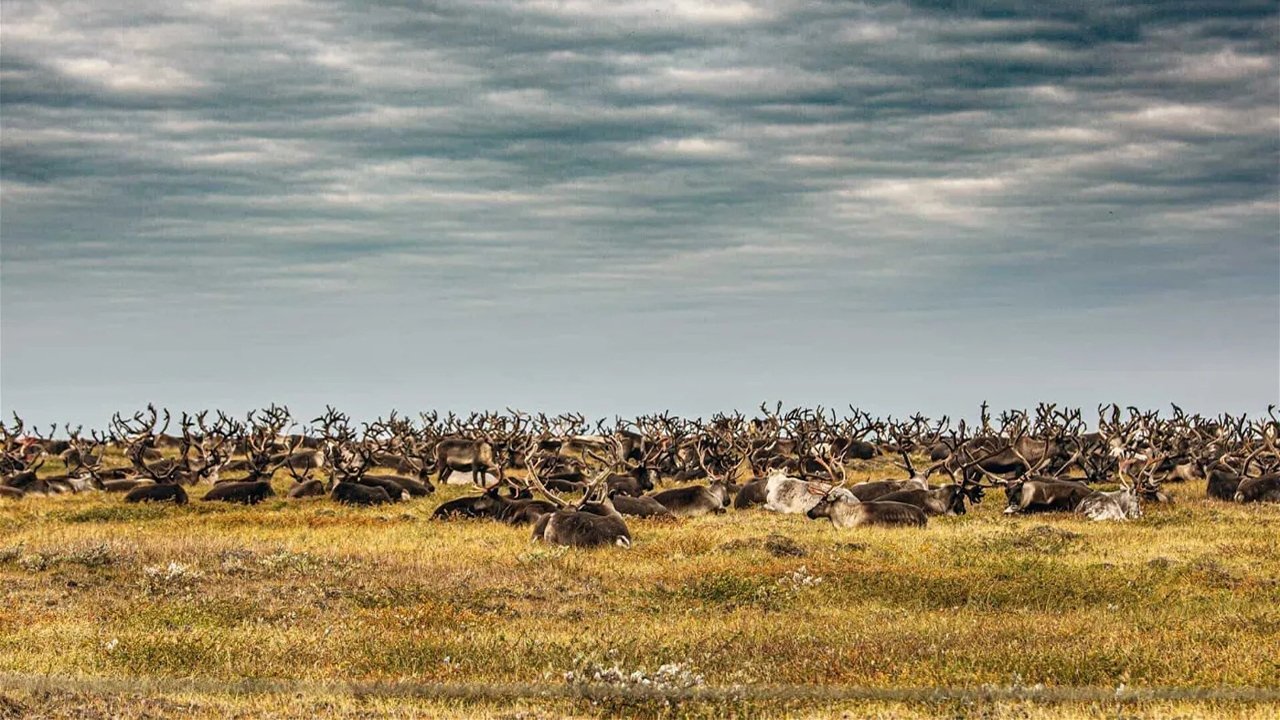
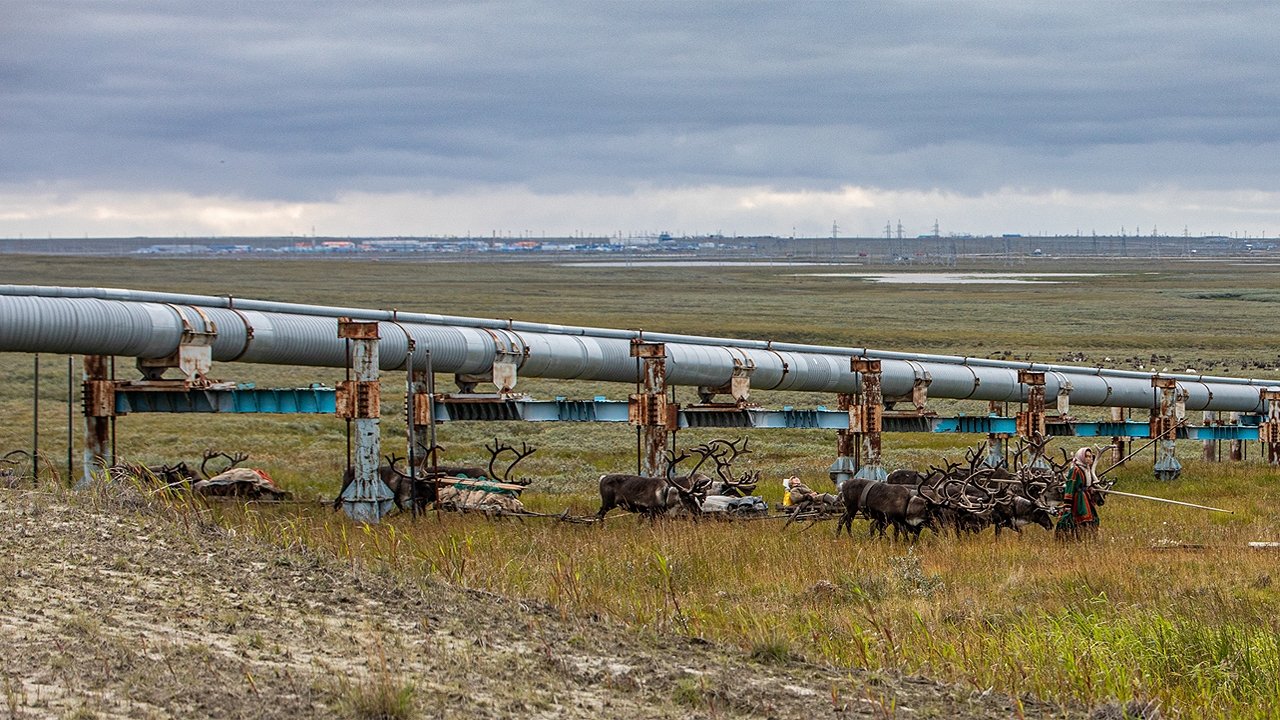
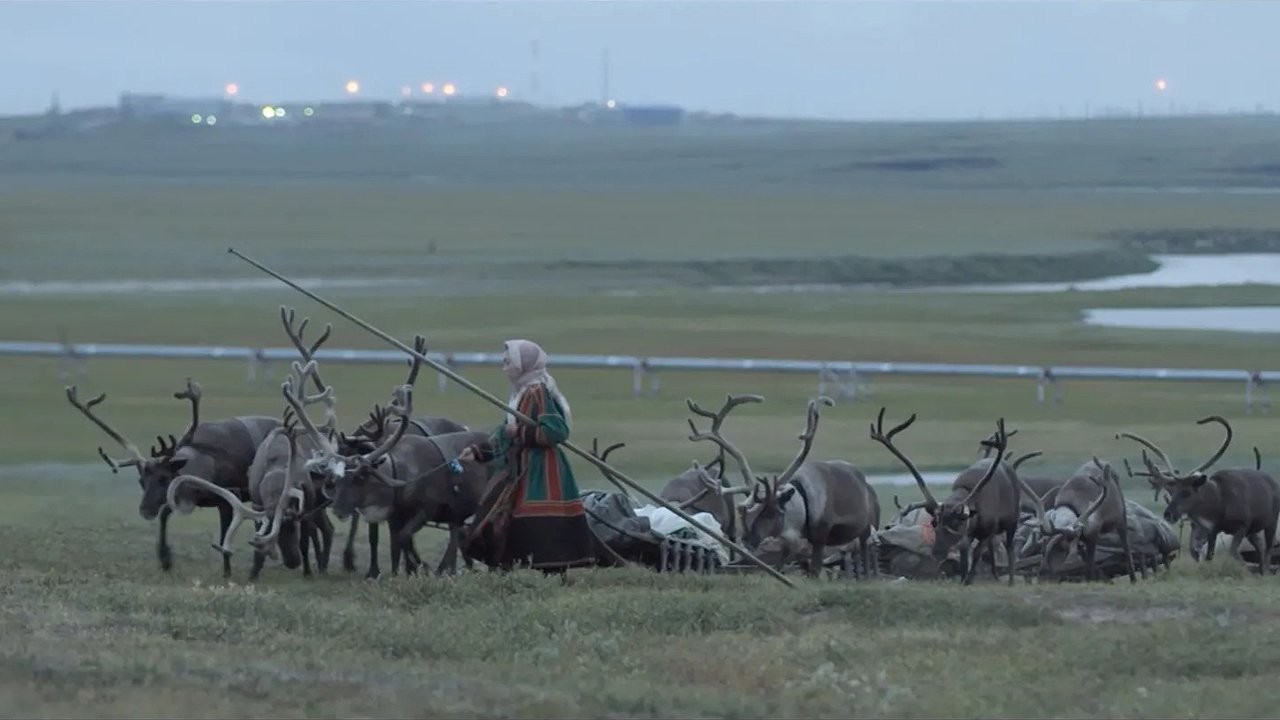
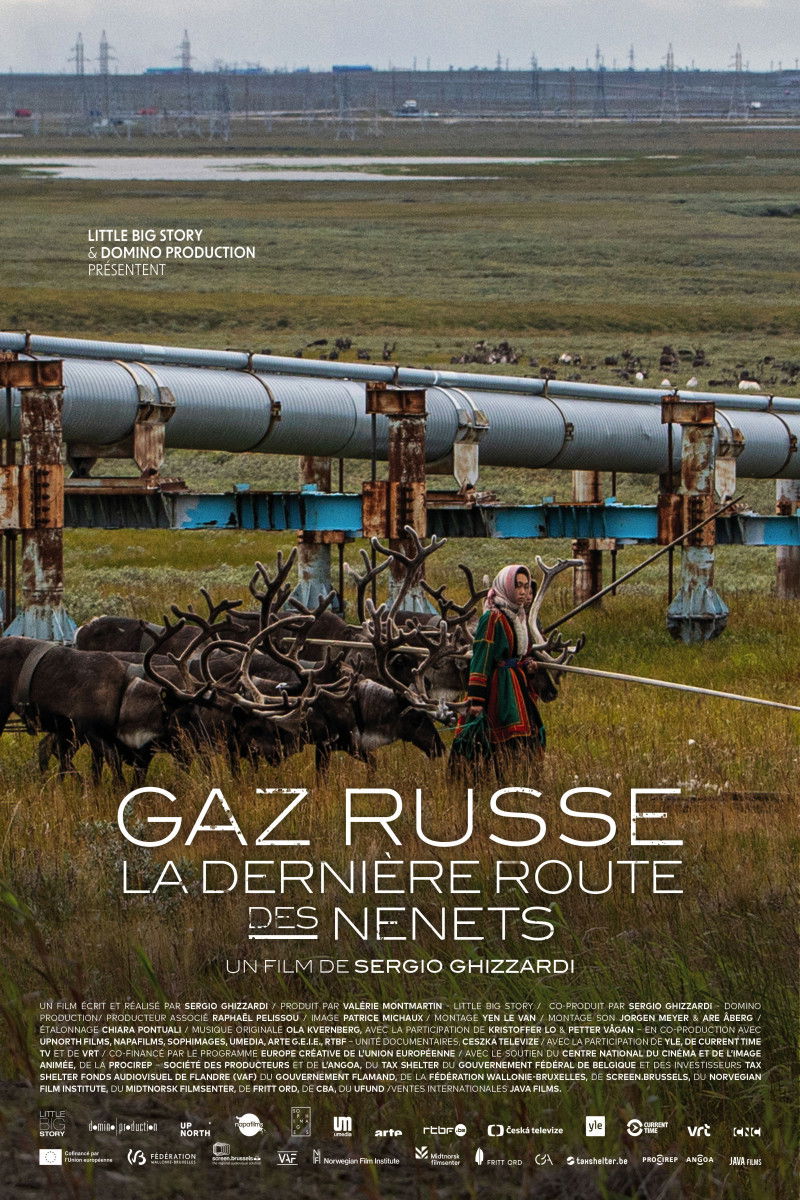
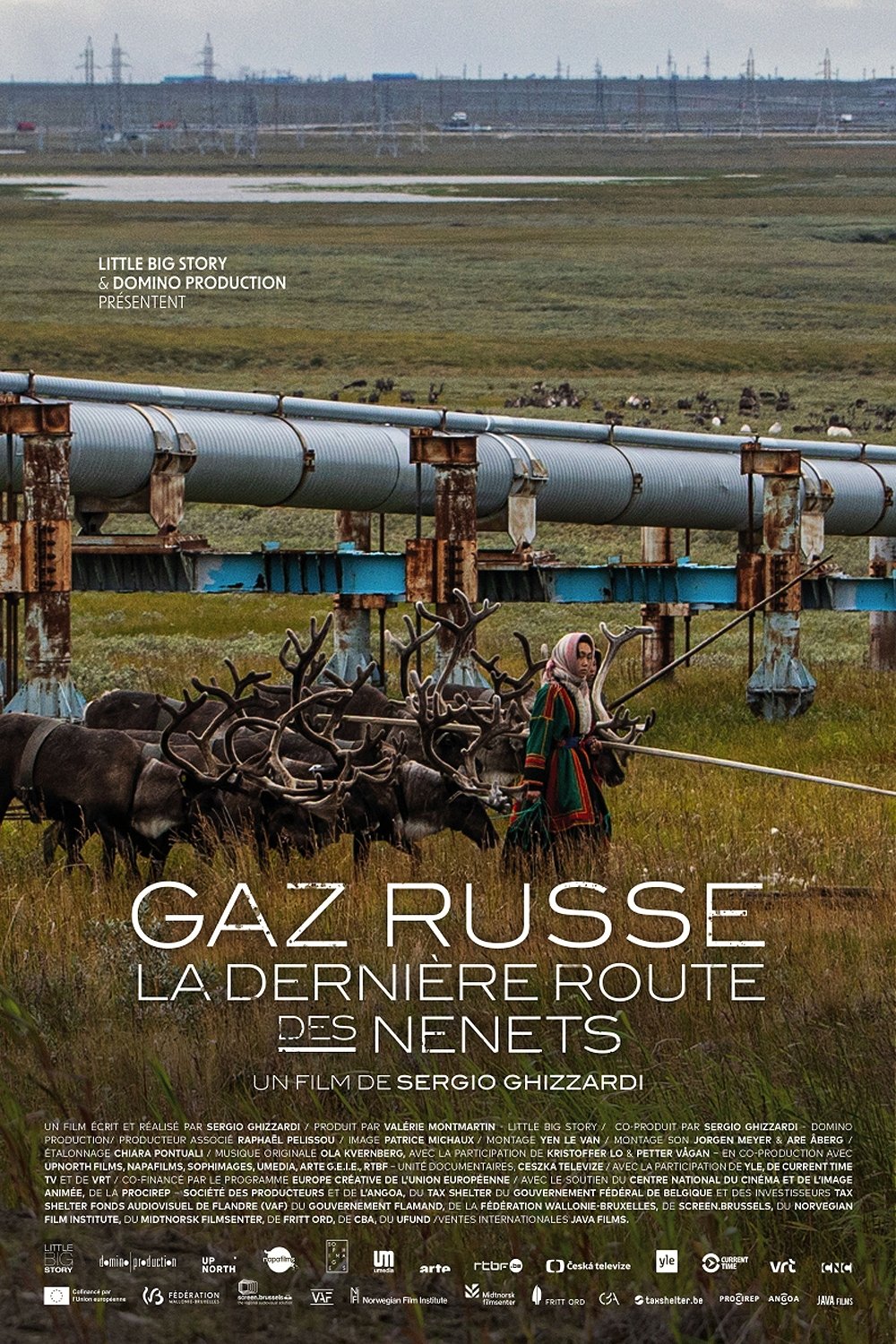
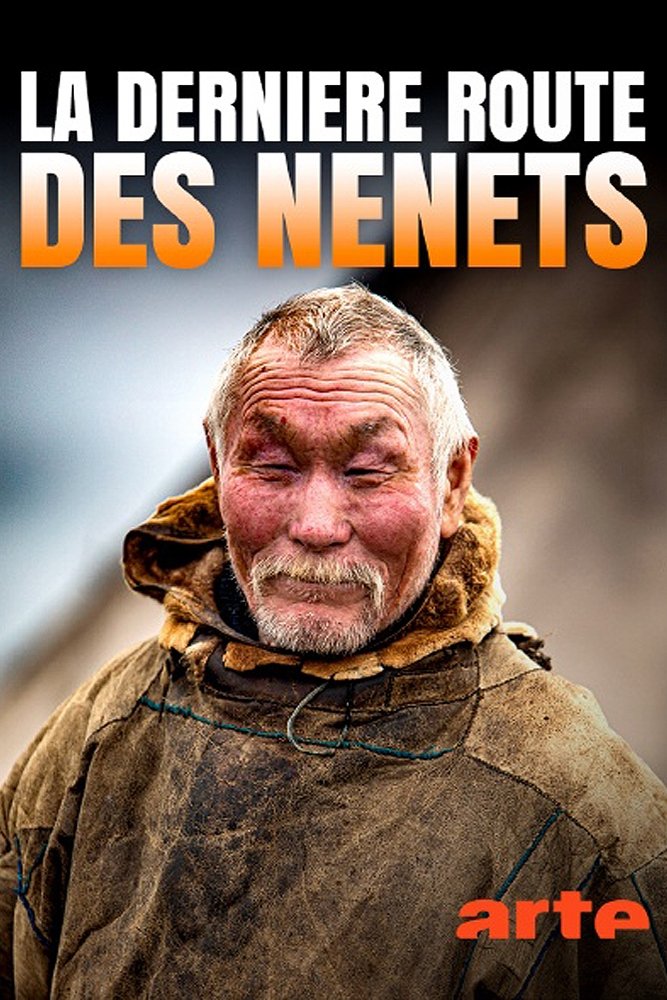
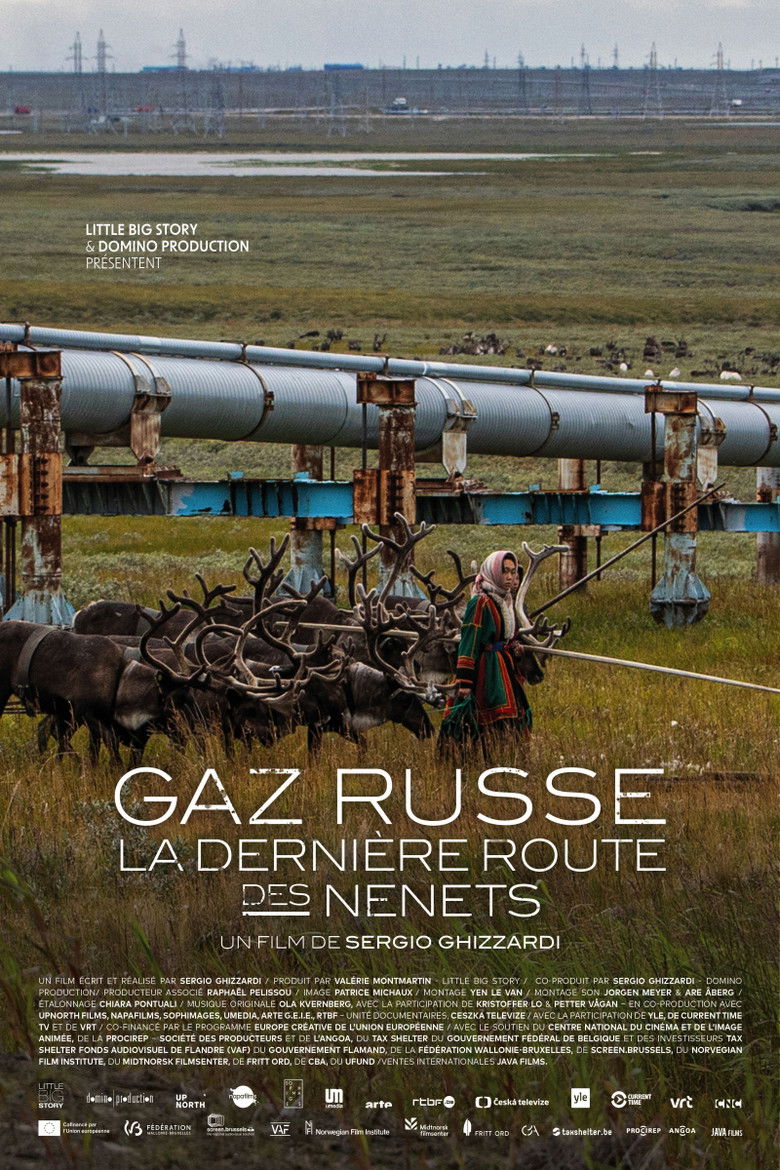
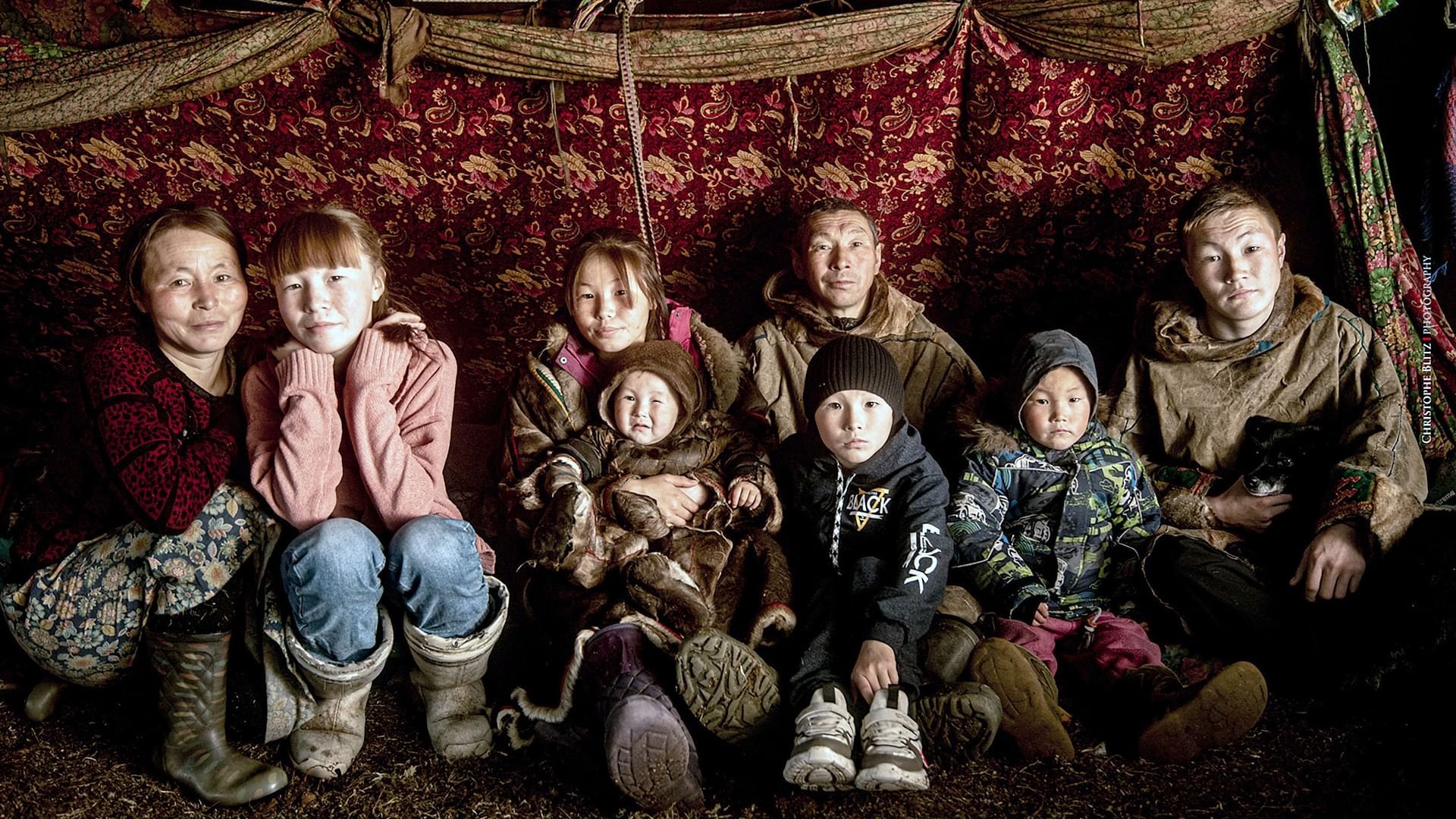
In the heart of the Arctic, the Yamal peninsula is the world’s largest gas exploitation zone, a symbol of Russia’s energy hyperpower, which caused the appetite of oil corporations. But the Yamal peninsula is also the ancestral home of the Nenets, who have been pasturing here with their droves for over 200 generations. Every year the nomads undertake a journey of 1500 km. But for how much longer can they survive? Today in Yamal, pastures have given way to gas fields. Growing towns, a railway, an airport, the deep scars on the landscape caused by extraction of gas and oil, and the new nuclear-powered icebreakers, which will create busy shipping lanes in the Arctic, are all changing the local ecosystem. With the industry dramatically modifying the landscape, accelerating the effects of global warming, the Nenets way of life is under threat. The documentary gives a unique insight into a vanishing way of life, enhanced by stunning aerial footage, and rare access to an extraordinary people.
Director
Status
Released
Original Language
FR
Self - Interviewee
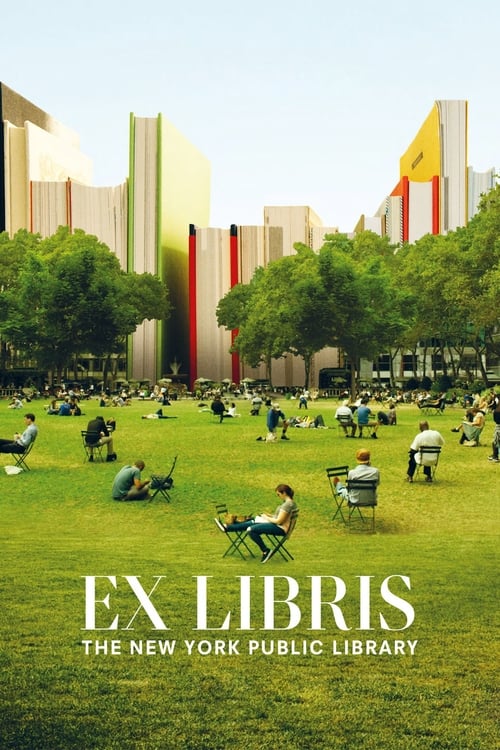
A documentary about how a dominant cultural and demographic institution both sustains their traditional activities and adapts to the digital revolution.