User Score
0 votes
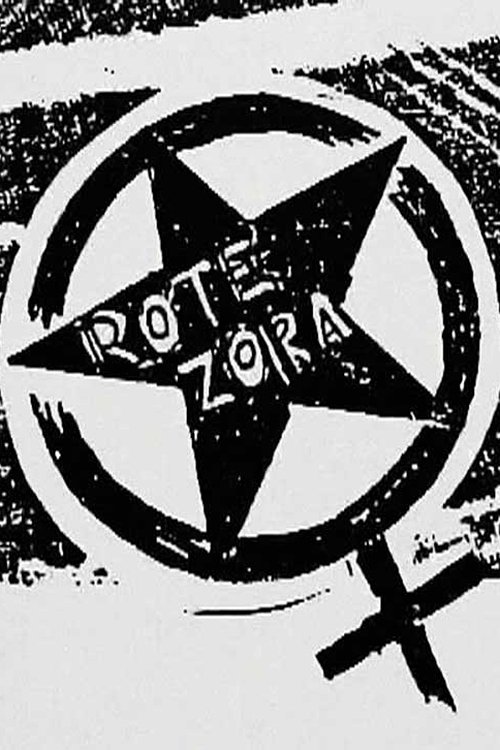
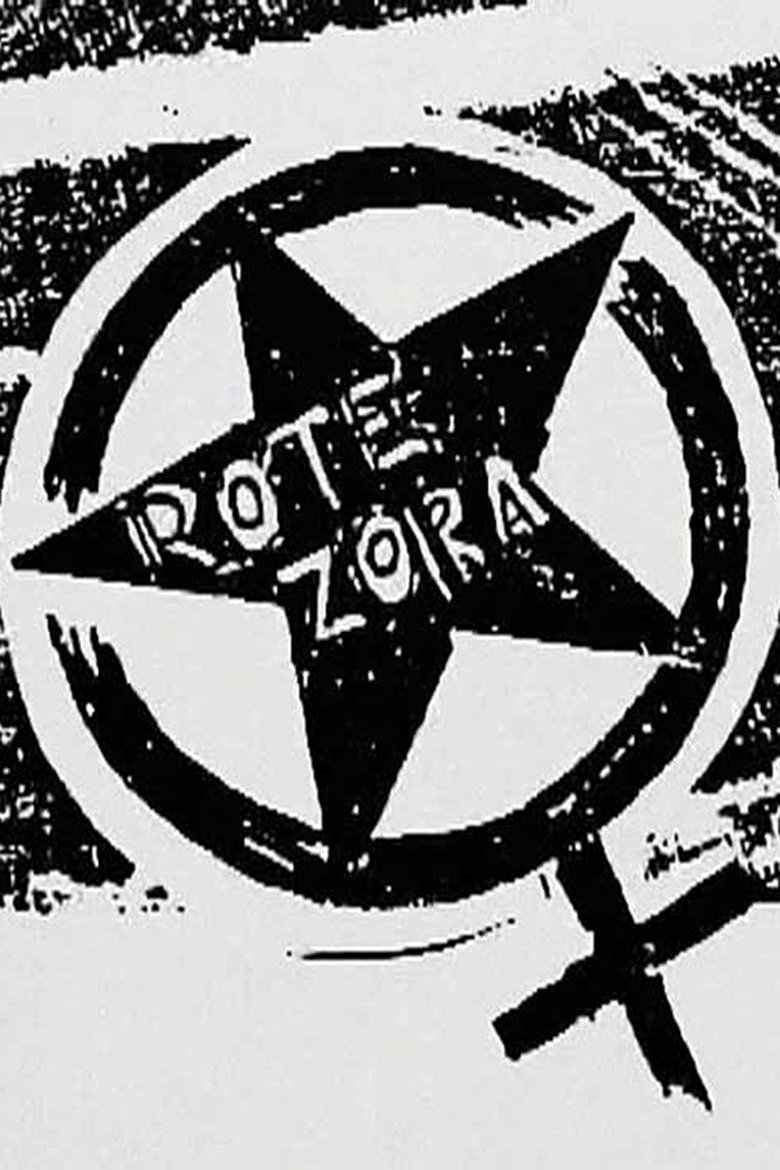
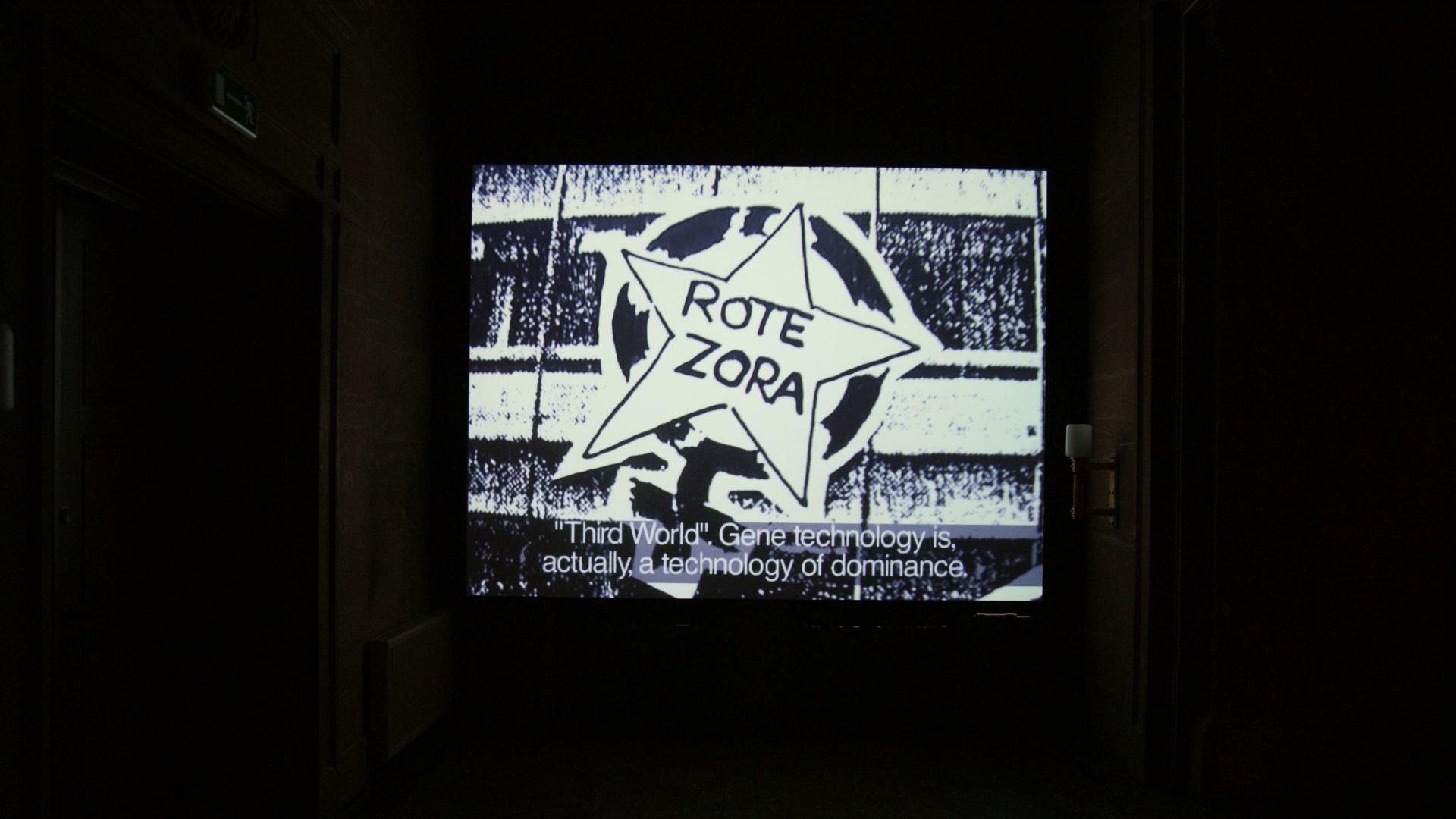
Rote Zora is a militant women’s group that carried out over twenty attacks and various other offences in Germany in the eighties. They fought against atomic, gene and reproduction technologies. Rote Zora formed a radical political opposition to the existing power which they carried out through a politics of property damage. It was their principle to avoid injuring anyone. The central element of the video “Die Rote Zora” is an interview with Corinna Kawaters that took place in summer 2000. Kawaters is the only woman from the Rote Zora who was sentenced by a court for “membership in a terrorist organization” (§129a). In addition, a conversation was held with the social scientist Erika Feyerabend, who, like the other members of the Gen-Archiv Essen, became caught in the whirl of police investigations against the Rota Zora at the end of the 1980s.
Director
Status
Released
Original Language
DE
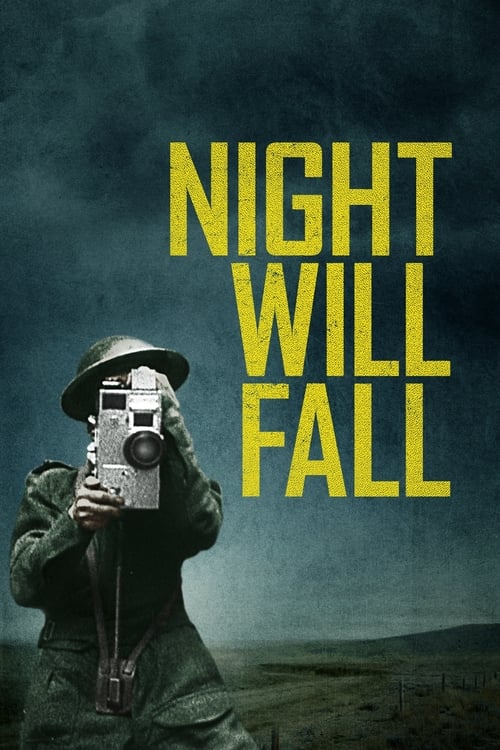
When Allied forces liberated the Nazi concentration camps in 1944-45, their terrible discoveries were recorded by army and newsreel cameramen, revealing for the first time the full horror of what had happened. Making use of British, Soviet and American footage, the Ministry of Information’s Sidney Bernstein (later founder of Granada Television) aimed to create a documentary that would provide lasting, undeniable evidence of the Nazis’ unspeakable crimes. He commissioned a wealth of British talent, including editor Stewart McAllister, writer and future cabinet minister Richard Crossman – and, as treatment advisor, his friend Alfred Hitchcock. Yet, despite initial support from the British and US Governments, the film was shelved, and only now, 70 years on, has it been restored and completed by Imperial War Museums under its original title "German Concentration Camps Factual Survey".

An anthology film presenting remakes of three episodes from the "Twilight Zone" TV series—"Kick the Can", "It's a Good Life" and "Nightmare at 20,000 Feet"—and one original story, "Time Out."