
User Score
0 votes
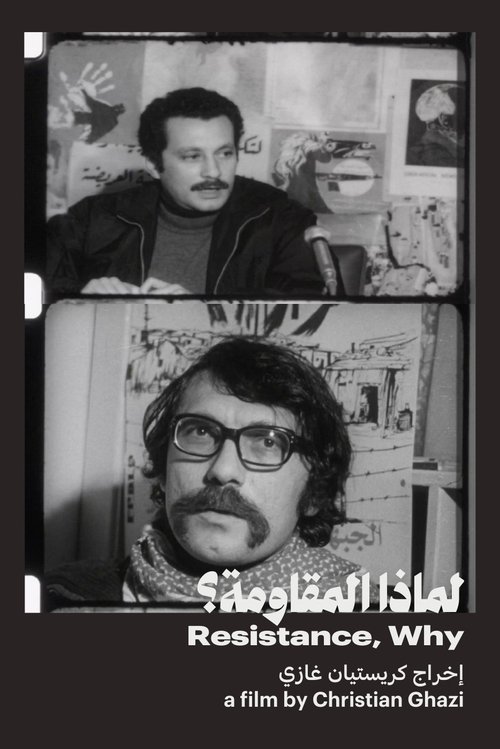
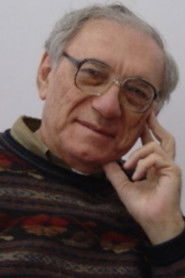
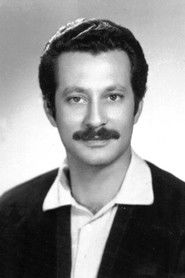
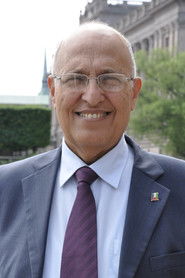
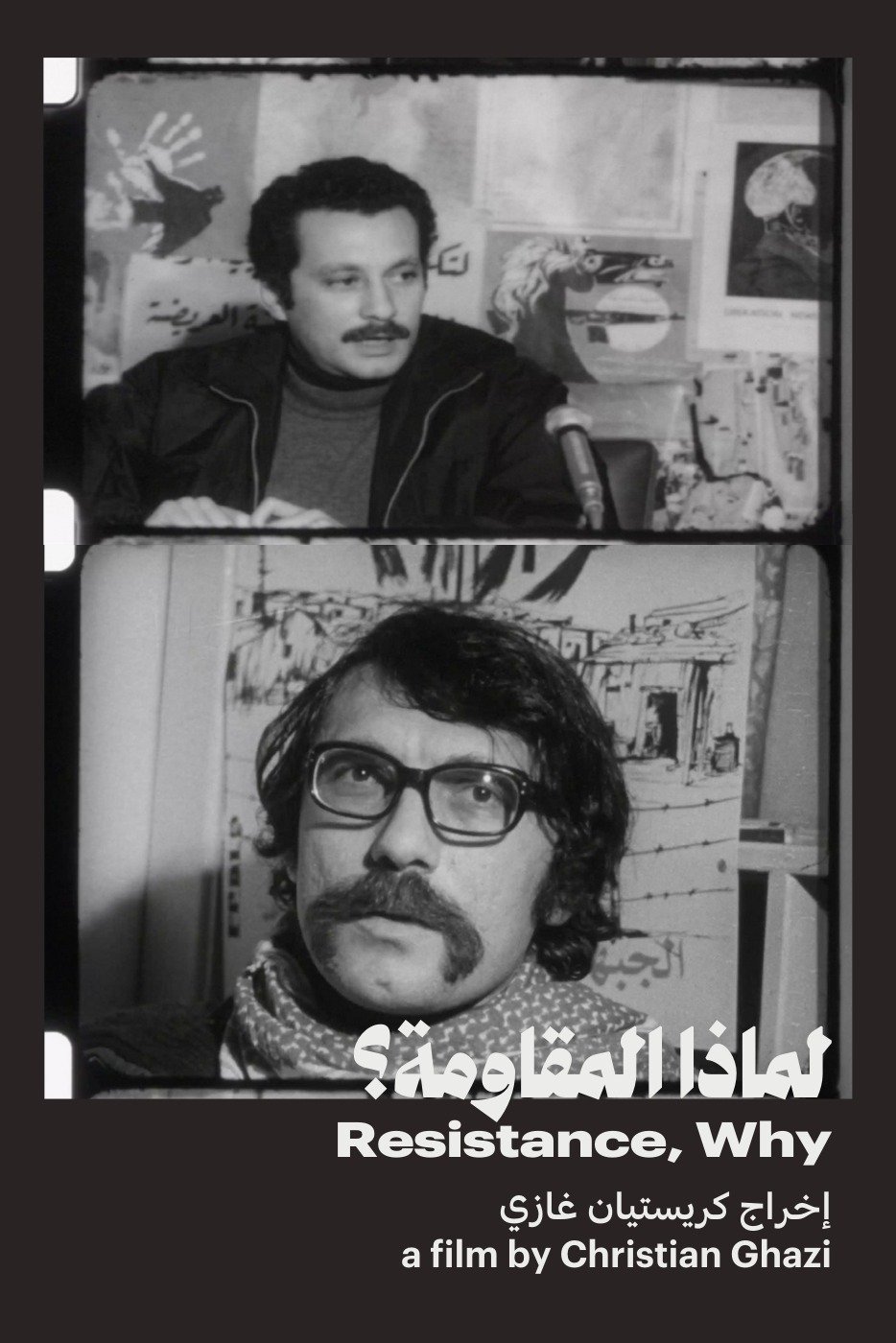
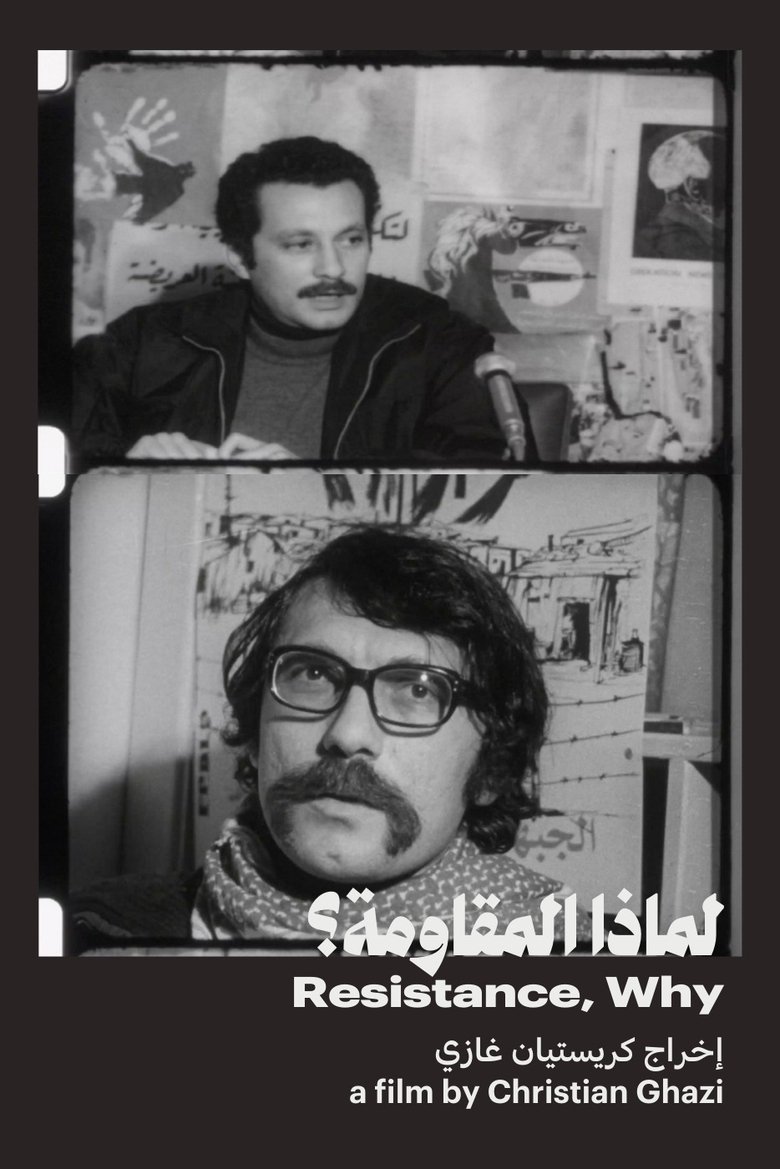
In 1970, Christian Ghazi and Noureddine Chatti met with a number of Arab political figures, especially Palestinians residing in Lebanon, resulting in this piece of armed (alternative or third) cinema that captures a crucial cross-section of the Palestinian resistance in Lebanon in 1970. The film features footage of Ghassan Kanafani, Sadiq Jalal El-Azm, Nabil Shaath and other personalities who share their vision of the Palestinian revolution, tracing its history back to the early 20th century. These testimonies describe the numerous strikes and popular protests that took place in Palestine under the Ottoman occupation, followed by the British colonization and the settlement of the Jewish state in 1948. They enumerate the objectives of the struggle, emphasising the necessity for a free and democratic Palestine, defended through armed or non-armed struggle by all its citizens, men and women of various affiliations.
Director
Status
Released
Original Language
AR
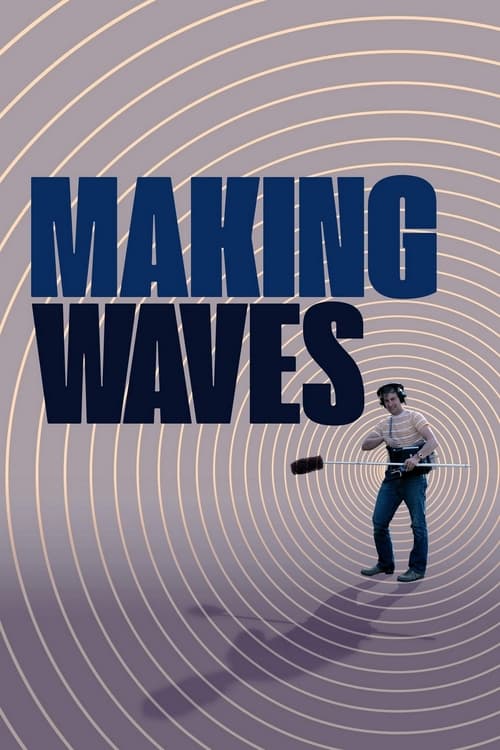
The history of cinematic sound, told by legendary sound designers and visionary filmmakers.