
User Score
0 votes
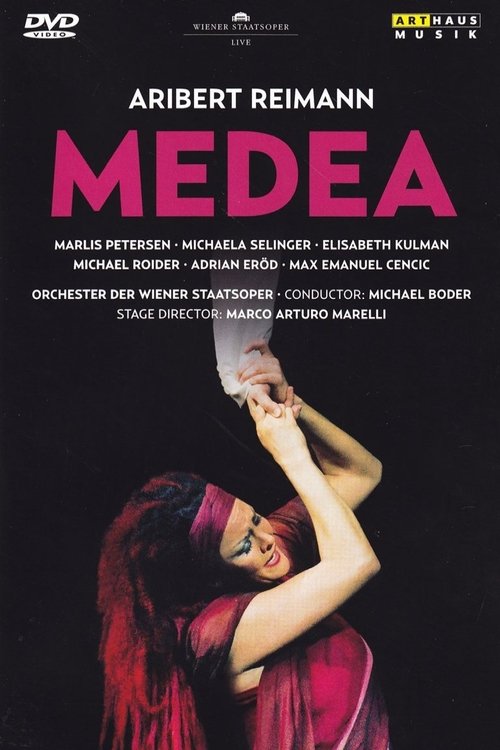
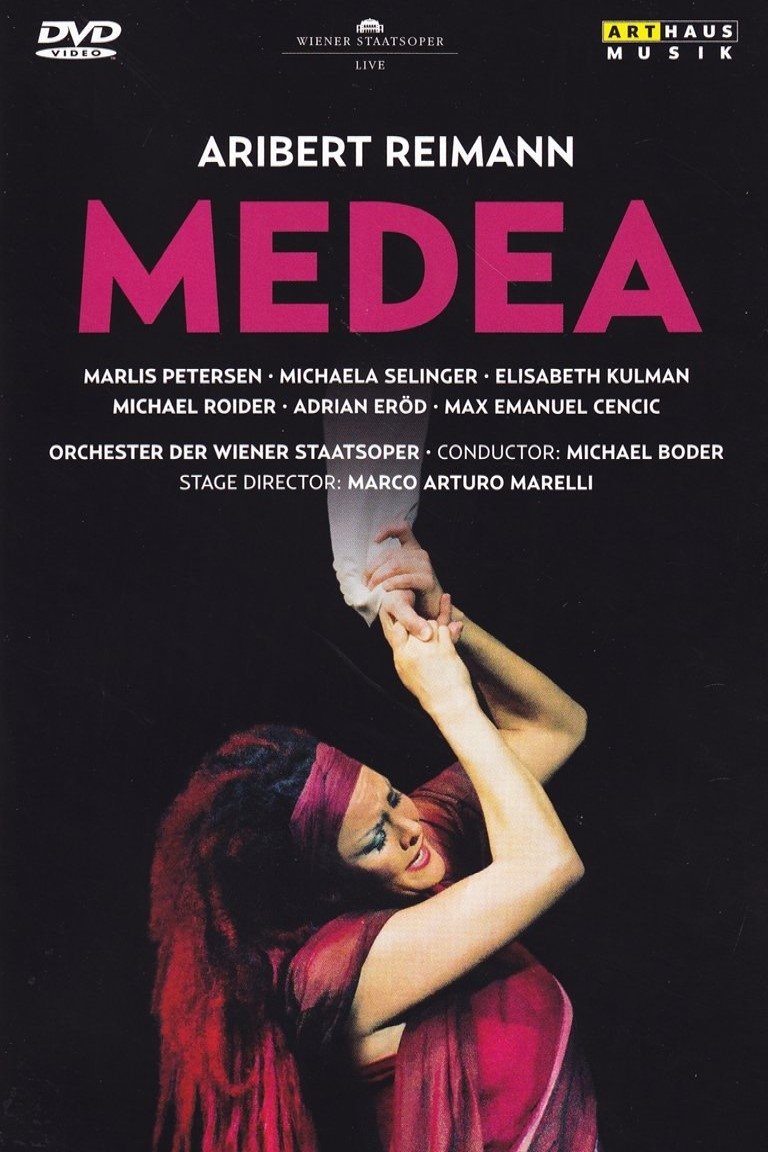
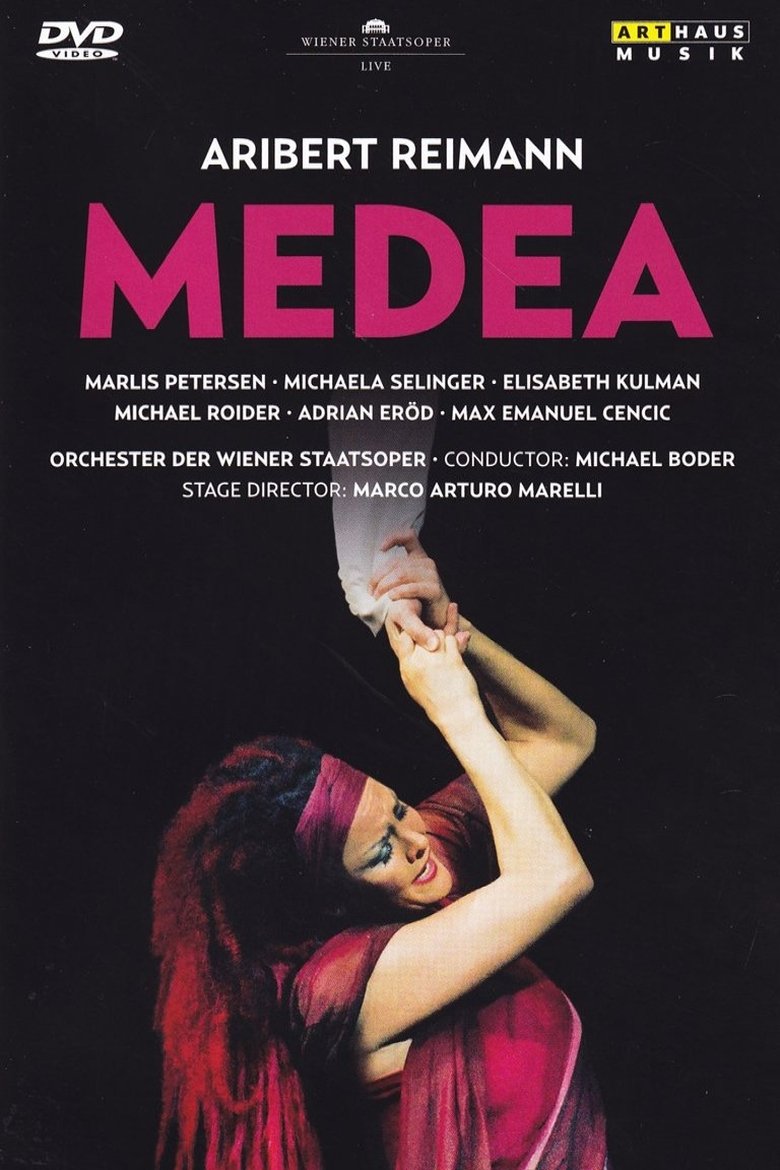
Aribert Reimann is one of the worlds most important living composers. His works are performed regularly all over the world. Now comes his latest opera - Medea. Roughly 30 authors have written works based on this ancient myth but it was the play by Franz Grillparzer which inspired Reimann most: »In no other version is it made so brutally clear that Medea is an outsider. () Right from the start of act one my mind was flooded by musical ideas and by the end of the second act I really thought my head would burst. Vienna State Opera succeeded in recruiting Marco Arturo Marelli a man with a world-wide reputation, especially for global premieres as director and scenographer for this performance. Unusually for a world premiere, the first series of performances of the opera were a huge success amongst audiences and press alike. The public stormed the box office and ticket sales by far exceeded availability. A Sold Out notice had to be put up for virtually every performance!
Status
Released
Original Language
EN
King David enters into an adulterous affair with the beautiful Bathsheba, which has tragic consequences for his family and Israel.