
User Score
0 votes
A life-time after the Shoah: Forgetting is not an option and memory only goes so far. When prayers are not enough, music can keep us going. It's not too late to mourn, And not too soon to replenish. In Redemption Blues, a feature-length documentary shot in New York, Vienna, Oswiecim, and Bethlehem, director Peter Stastny engages with several outspoken Holocaust survivors whose lives have been shaped by their experiences from more than 70 years ago. As the director's personal narrative guides us along, we watch these humorous, wise, hardened and joyful individuals rise above the despair and loss. A rich emotional landscape comes to life, containing some of the deep questions with which the world is still grappling today. In the end, we see these people as leaders and visionaries in moments of homecoming, renewal and progression, not merely as captives of their past.
Director
Writer
Status
Released
Original Language
DE
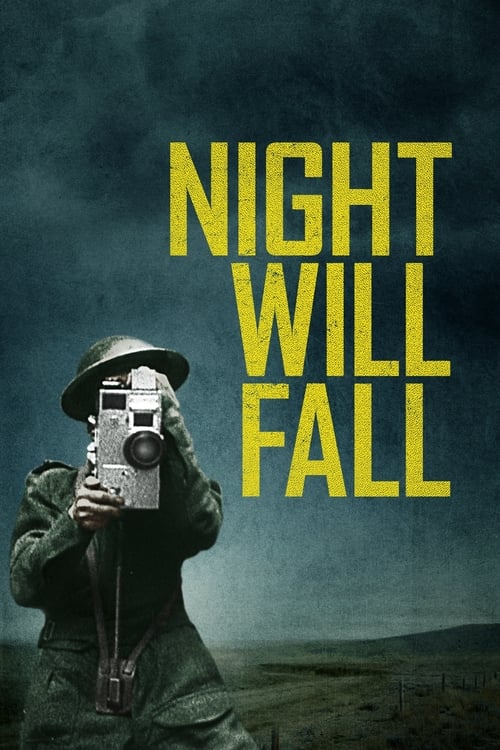
When Allied forces liberated the Nazi concentration camps in 1944-45, their terrible discoveries were recorded by army and newsreel cameramen, revealing for the first time the full horror of what had happened. Making use of British, Soviet and American footage, the Ministry of Information’s Sidney Bernstein (later founder of Granada Television) aimed to create a documentary that would provide lasting, undeniable evidence of the Nazis’ unspeakable crimes. He commissioned a wealth of British talent, including editor Stewart McAllister, writer and future cabinet minister Richard Crossman – and, as treatment advisor, his friend Alfred Hitchcock. Yet, despite initial support from the British and US Governments, the film was shelved, and only now, 70 years on, has it been restored and completed by Imperial War Museums under its original title "German Concentration Camps Factual Survey".