

User Score
0 votes
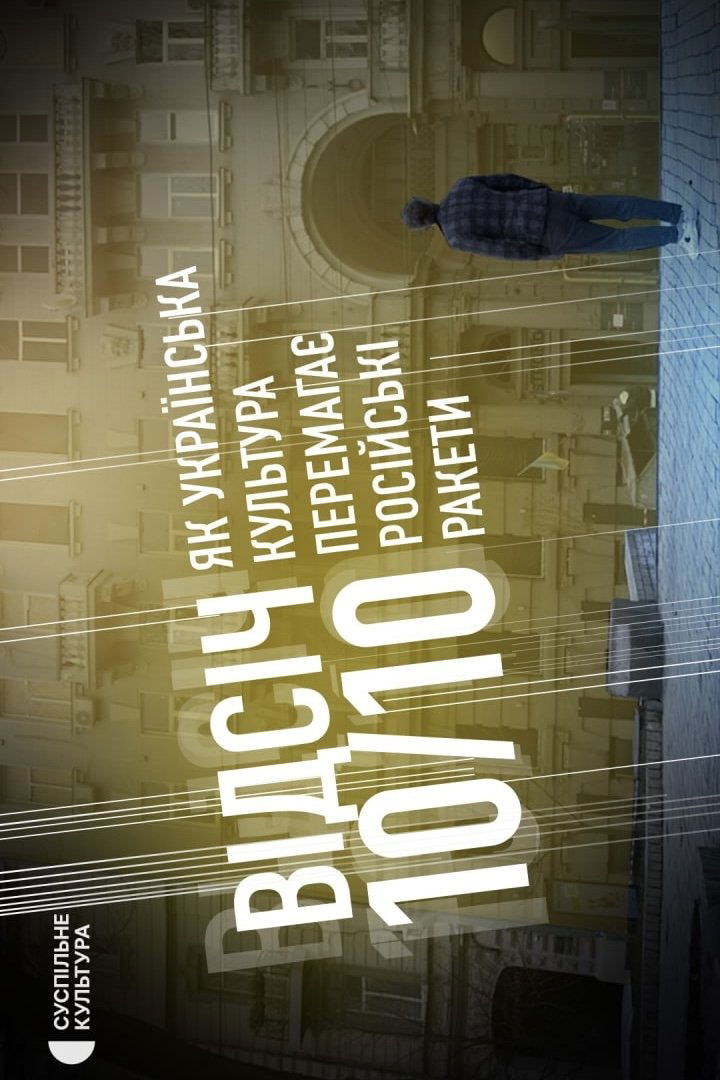
On the morning of October 10, editor Yury Marchenko was supposed to be running through Shevchenko Park, near his home, at the same time as the Russian rockets hit it. One of them — to the playground, the other — to the intersection of Shevchenko Boulevard and Volodymyrska Street. The blast wave damaged "strategic" objects: museums, educational institutions, restaurants, galleries, hospitals, the Ministry of Education, the Teacher's House and the protective structure around the monument to Mykhailo Hrushevskyi. We are looking for an answer not only with Yuriy Marchenko, but also with volunteer Serhii Prytula, architect Slava Balbek, historian Oleksandr Palii, military expert Serhii Kuzan, deputy director of the National Science and Natural History Museum of the National Academy of Sciences Oksana Chervonenko and director of the Khanenko Museum Yulia Vaganova.
Status
Released
Original Language
UK
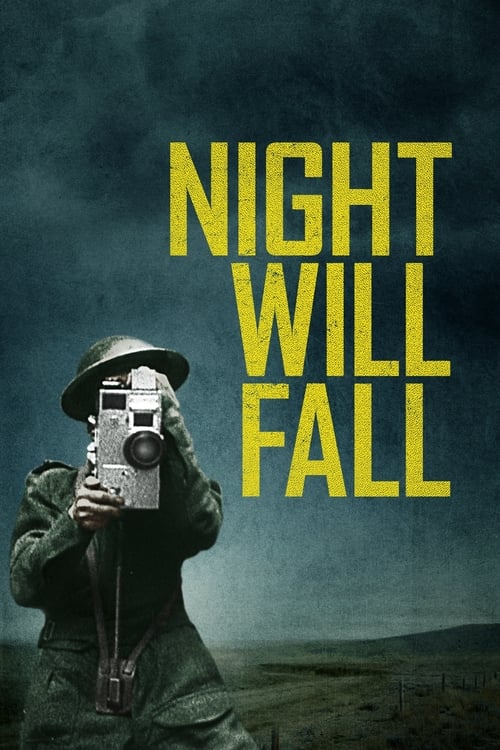
When Allied forces liberated the Nazi concentration camps in 1944-45, their terrible discoveries were recorded by army and newsreel cameramen, revealing for the first time the full horror of what had happened. Making use of British, Soviet and American footage, the Ministry of Information’s Sidney Bernstein (later founder of Granada Television) aimed to create a documentary that would provide lasting, undeniable evidence of the Nazis’ unspeakable crimes. He commissioned a wealth of British talent, including editor Stewart McAllister, writer and future cabinet minister Richard Crossman – and, as treatment advisor, his friend Alfred Hitchcock. Yet, despite initial support from the British and US Governments, the film was shelved, and only now, 70 years on, has it been restored and completed by Imperial War Museums under its original title "German Concentration Camps Factual Survey".