
User Score
0 votes
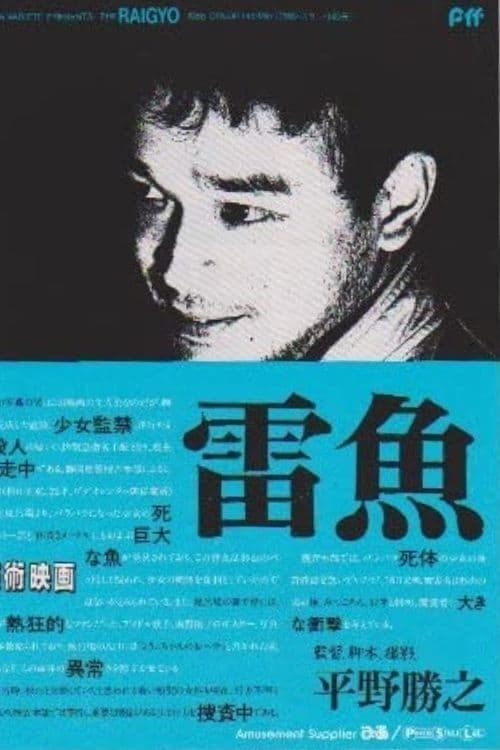
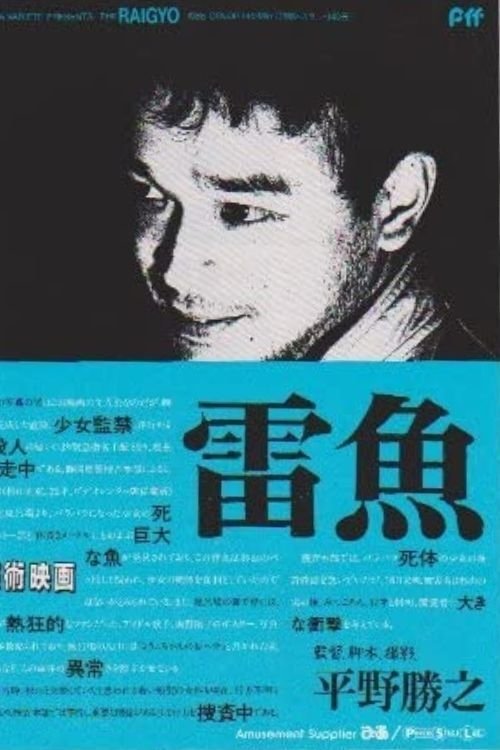
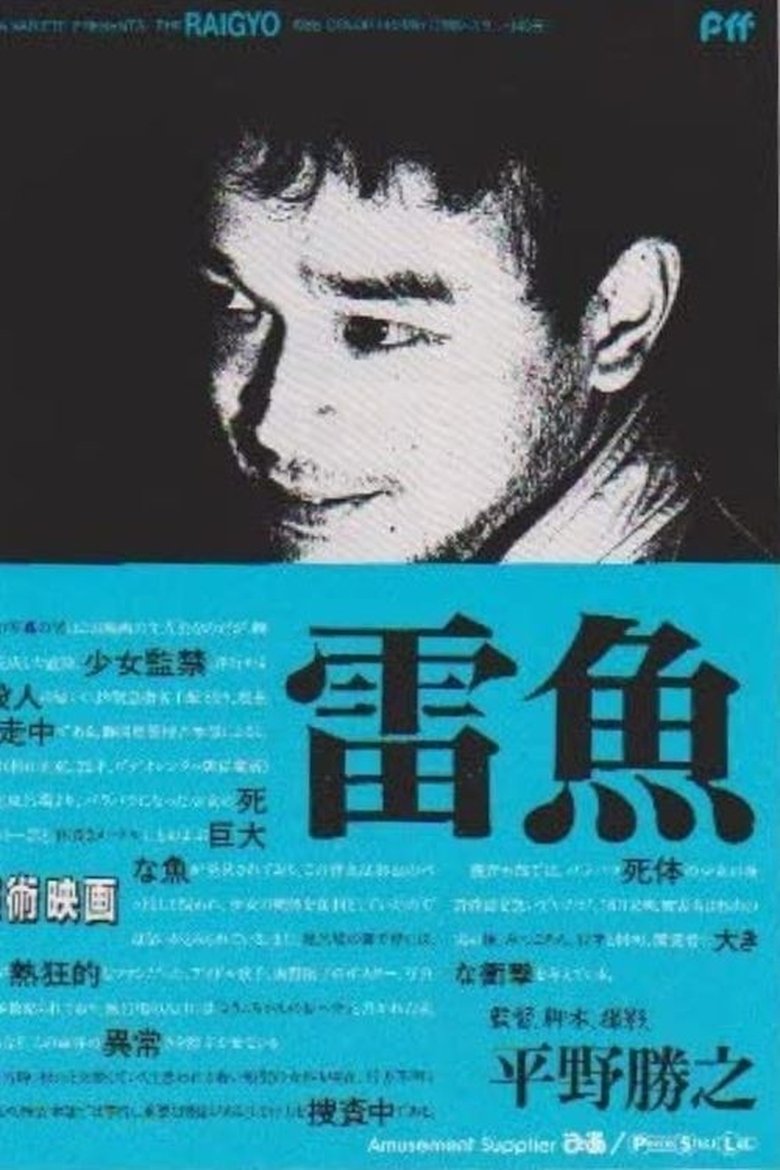
A man (Masahiro Sugiyama), an idol otaku, picks up a monster fish and starts to raise it at home. At the same time, he moves in with a runaway girl (Yoko Oguchi), and the friction between them becomes more intense. The film was made at the end of the eighties, in response to the sense of stagnation in the provincial cities. It's a film with a darker side than my previous film "Love on the Street". It also has the strongest theatrical colour of all the films so far, but it shows the bankruptcy in a different way to "Street Corner of Love -".
Director
Status
Released
Original Language
JA
Inuyasha and his brother, Sesshomaru, each inherited a sword from their father after his death. However, their father had a third sword, named Sounga, that he sealed away. Seven hundreds years after his death, Sounga awakens and threatens mankind's very existence. How will the children of the Great Dog Demon stop this unimaginable power?