
User Score
6 votes
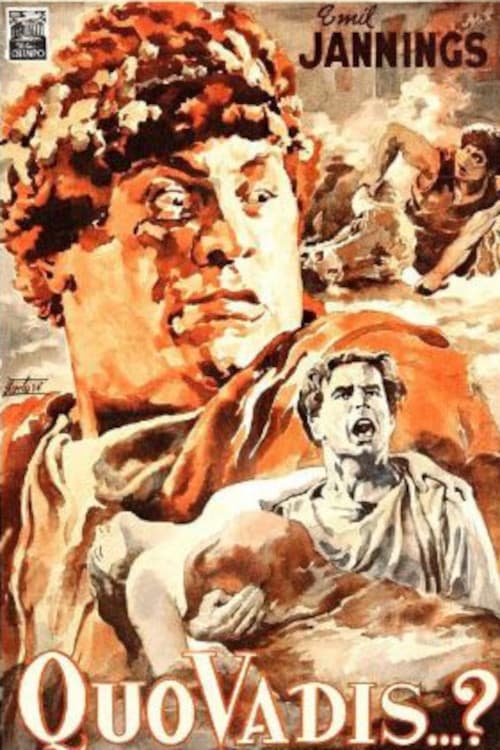
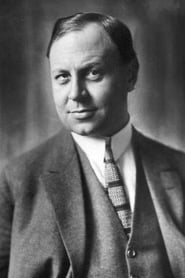
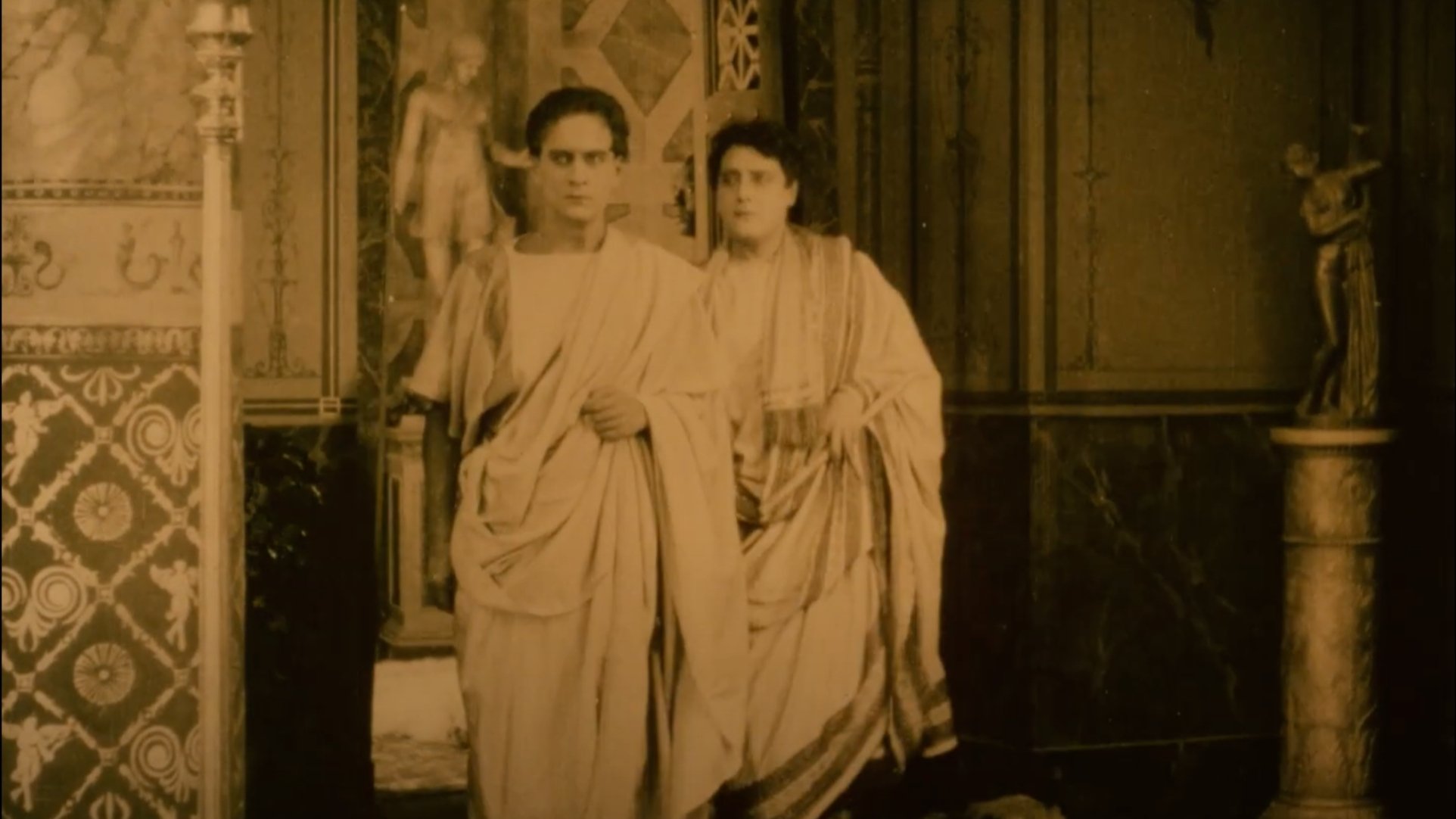
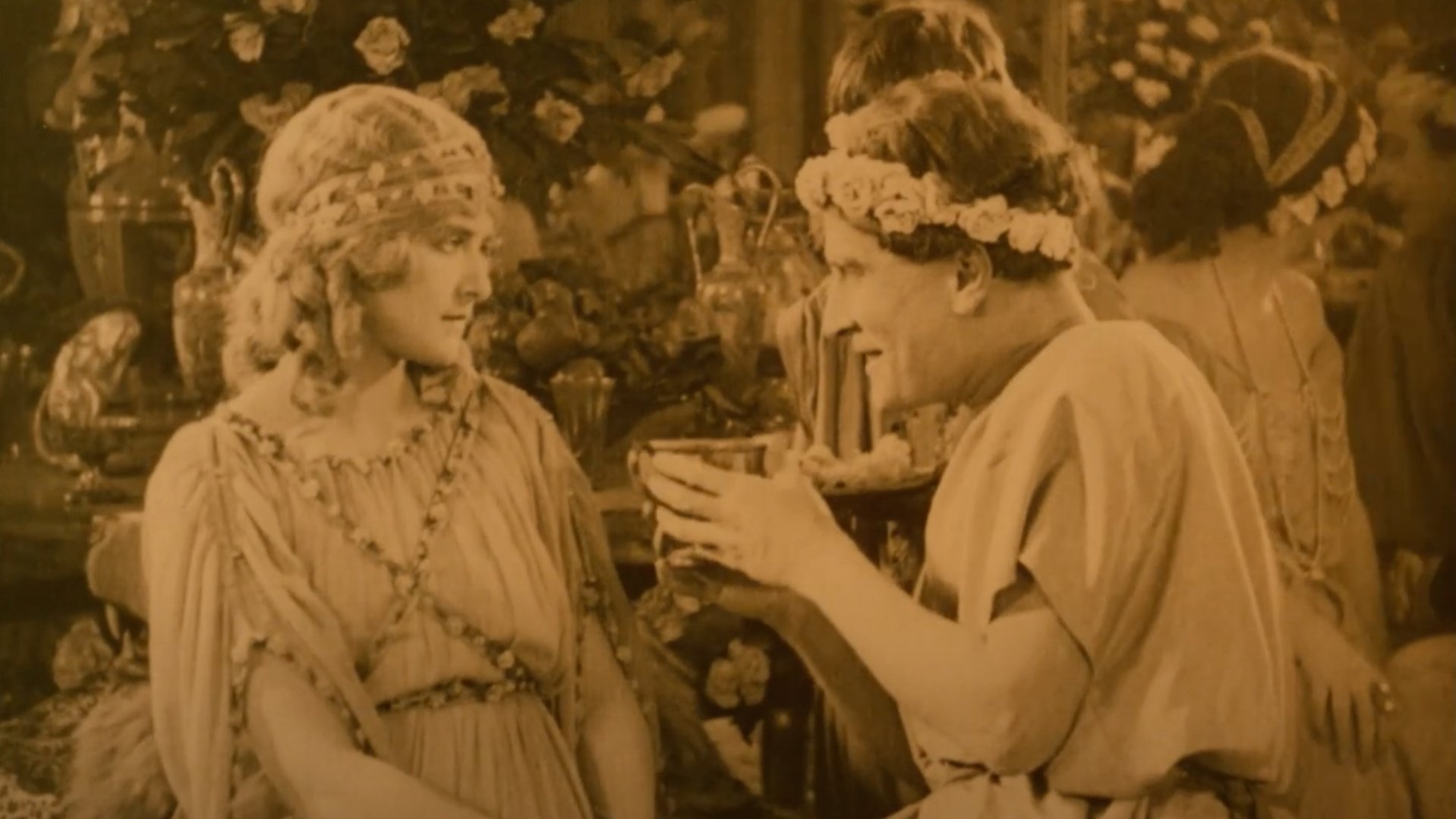
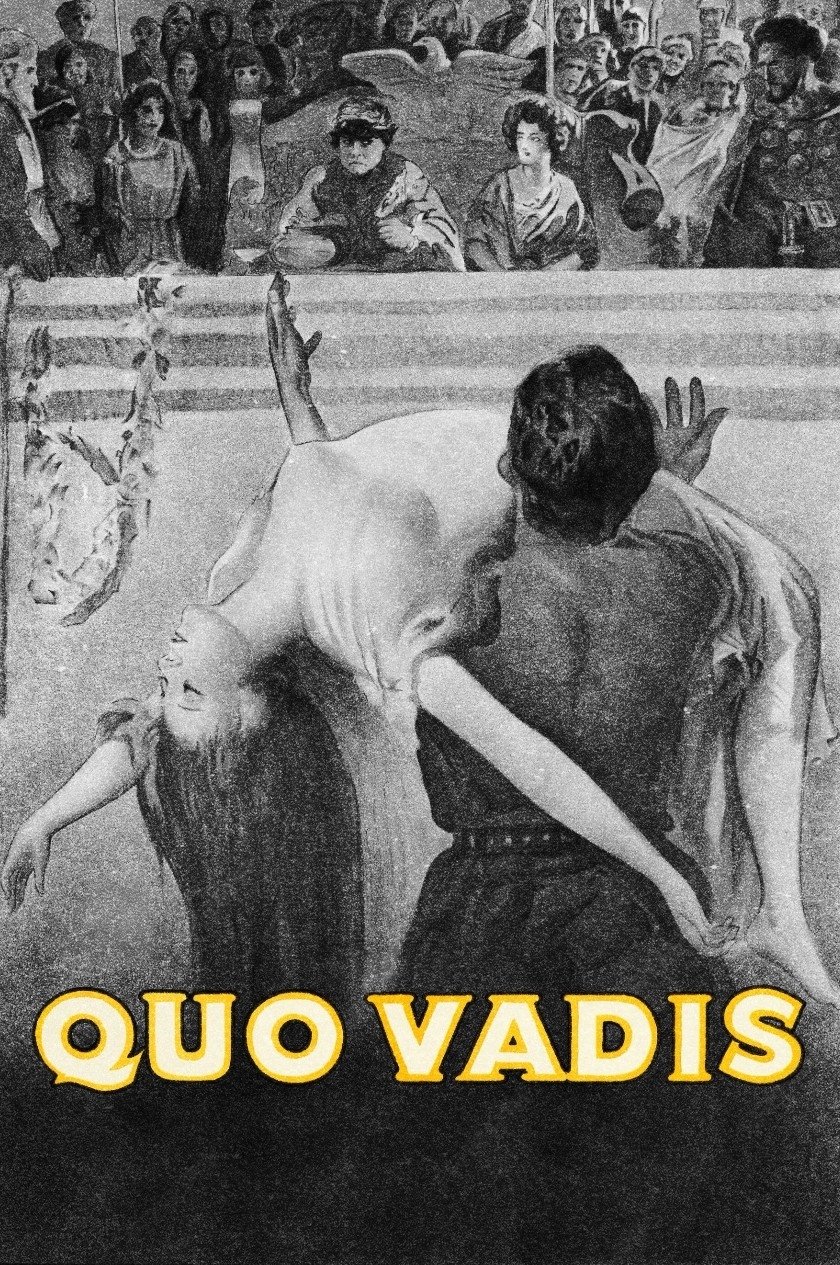
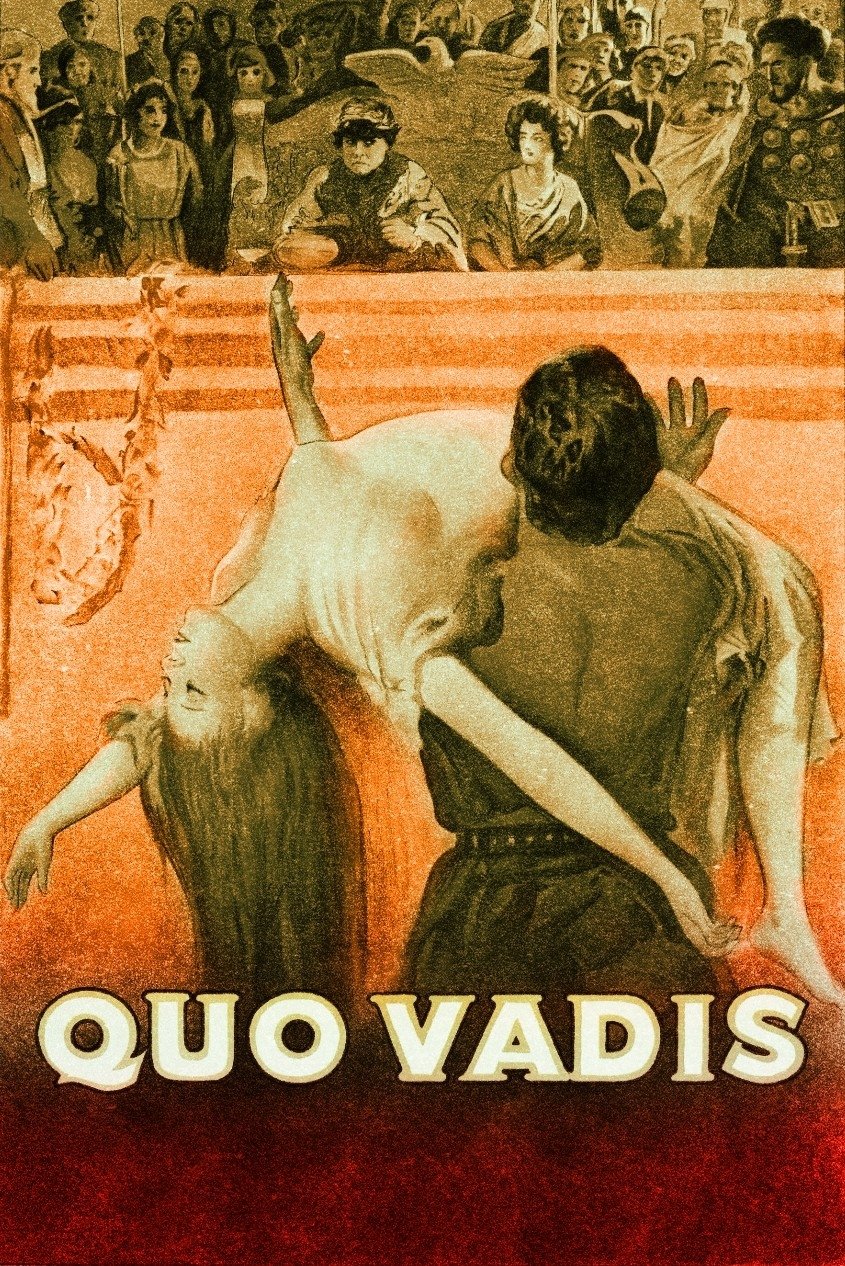
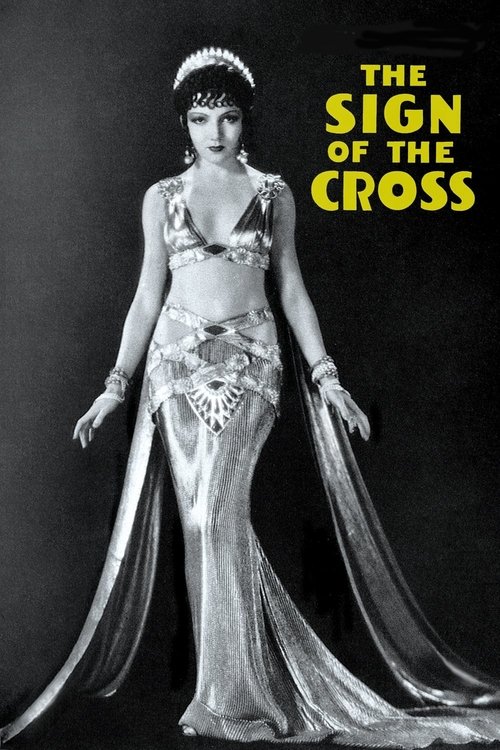
"The Roman Banquet, the golden glories, the unrivaled luxuries, the wine, the dance, the song, the beautiful women, the sumptuous splendors that taxed a barbaric world for a night of feasting and revel-- Re-created for your entertainment in the most colossal drama produced", reads an ad in the Daily Argus of New York. Unione Cinematografica Italiana's lavish production of the oft-told tale stars Emil Jannings as Nero.
Status
Released
Original Language
IT

The newly-settled city of Venice in the Sixth Century AD: A wandering people struggle to establish Christian Theocracy. Basiliola Faledro, an exotic dancer, wicked and cunning, arrives from faraway lands seeking to avenge her pagan lineage; Her father and brothers blinded and humilated by frenzied zealots. Her primary targets are the brothers Gràtico, both newly-elected to positions of power: One, Marco, an arbiter and tribune, the other, Sergio, a bishop. The title refers to a bold pronouncement made by Deaconess Ema Gràtico to her subjects the Venetians, a seafaring and desperate tribe-- That their native homeland is aboard a ship.

Petronius
After a masked carnival ball, Gerda Harrandt, wife of the surgeon Carl Ludwig Harrandt, allows the fashionable artist Ferdinand von Heidenick to paint a portrait of her wearing only a mask and a muff. This muff however belongs to Anita Keller, in secret the painter's lover but also the fiancée of the court orchestra director Paul Harrandt. The picture is then published in the newspaper. When Paul sees it and asks von Heidenick some questions about the identity of the model, the artist is forced to improvise a story and on the spur of the moment invents a woman called Leopoldine Dur as the alleged model. Leopoldine Dur however turns out to be a real woman whose acquaintance Heidenick makes shortly afterwards.