
User Score
0 votes
Film appears to have been photographed in France during WWI. Medium close shot of Quentin Roosevelt with a small building in background; brief shot of French and American officers, including Lieutenant Edward V. Rickenbacker at immediate right, talking; view of a troop train moving through a European town as people line the tracks waving to soldiers. Final sequence is medium close panning shots, from left to right, of: John J. Pershing, commander in chief of American forces; André Tardieu, French diplomat; Premier Georges Clemenceau of France; Marshal Ferdinand Foch, commander in chief of French forces; an unidentified French officer; General Maxime Weygand, staff officer to Foch; and Major General James W. McAndrews, general chief of staff of American forces, posing as they leave a building.
Status
Released
Original Language
EN
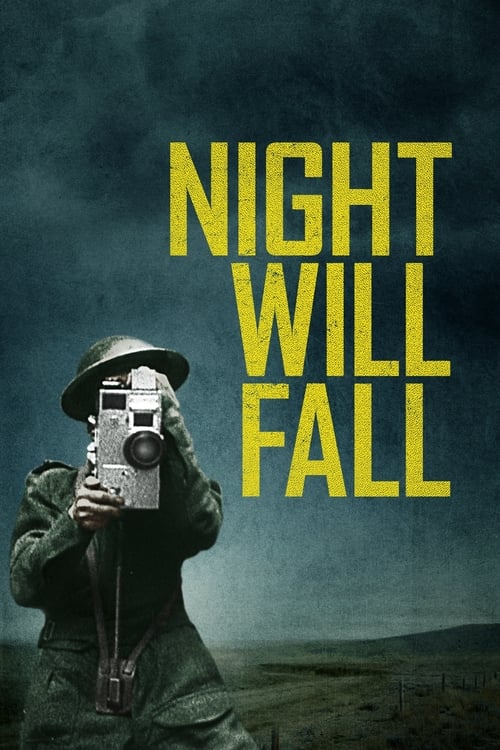
When Allied forces liberated the Nazi concentration camps in 1944-45, their terrible discoveries were recorded by army and newsreel cameramen, revealing for the first time the full horror of what had happened. Making use of British, Soviet and American footage, the Ministry of Information’s Sidney Bernstein (later founder of Granada Television) aimed to create a documentary that would provide lasting, undeniable evidence of the Nazis’ unspeakable crimes. He commissioned a wealth of British talent, including editor Stewart McAllister, writer and future cabinet minister Richard Crossman – and, as treatment advisor, his friend Alfred Hitchcock. Yet, despite initial support from the British and US Governments, the film was shelved, and only now, 70 years on, has it been restored and completed by Imperial War Museums under its original title "German Concentration Camps Factual Survey".
Behind the scenes look at fight choreography and action training.