

User Score
1 votes
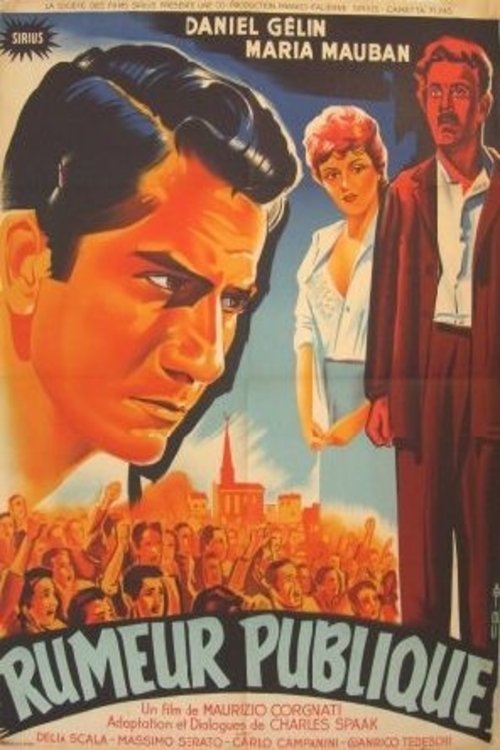
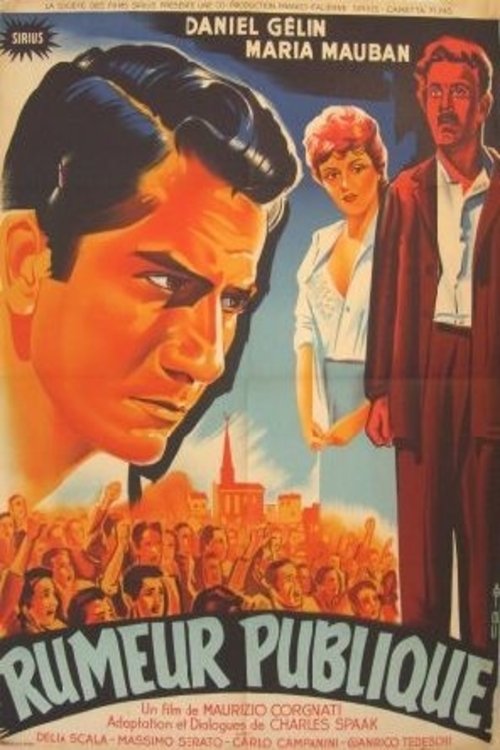
Following the death of his wife in unclear circumstances, the mechanic Egisto Bianchi is accused of auxoricide. A journalist begins to take care of the case and ignites public interest with a successful press campaign. The accused is acquitted for lack of evidence, but the reporter thinks he can still take advantage of the case by making a film of it. He then convinces some filmmakers to draw from the episode the subject of a film in which Bianchi himself will be the protagonist. During the filming, the reporter discovers that Bianchi's wife was cheating on her husband. So he then decides to modify the film script, including adultery, and to be able to shoot without problems he makes Bianchi go away. But he returns and, unseen, witnesses the new scenes of the film in the cinema of the country. Bianchi convinced that adultery is an invention, protests for the change, but the journalist reveals the truth to him, bringing the story to a dramatic ending.
Director
Director
Writer
Writer
Writer
Status
Released
Original Language
IT
The death of a wealthy patriarch in 1885 sets off an interfamily power struggle. Son Ferdinando buys out his other relatives in order to gain full control over the dead man's property. But Ferdinando's nephew Amerigo holds out. Amerigo's stance is weakened when he heads for Florence and meets prostitute Bianca.