
User Score
0 votes
We remain on the street, this space that is perhaps the great territory of invention for Latin American cinema. Held at the Centro de Cine Experimental of the Universidad de Chile - one of the most prolific and enduring poles of militant cinematographic production at the time -, this experimental fiction about class relations is one of Miguel Littín's first films, which would become one of the central references of the political cinema in Latin America. Por la tierra ajena was one of many films that sought to take part in the process of raising awareness that would lead to the election of Salvador Allende in 1970.
Director
Screenplay
Status
Released
Original Language
ES
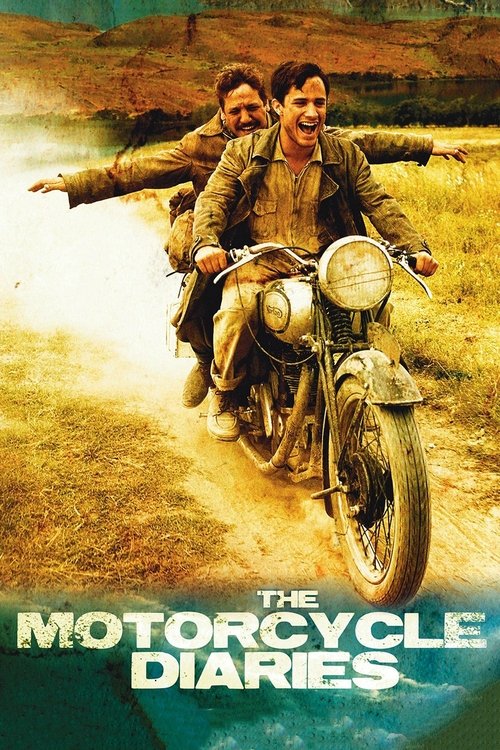
Based on the journals of Che Guevara, leader of the Cuban Revolution. In his memoirs, Guevara recounts adventures he and best friend Alberto Granado had while crossing South America by motorcycle in the early 1950s.