

User Score
1 votes
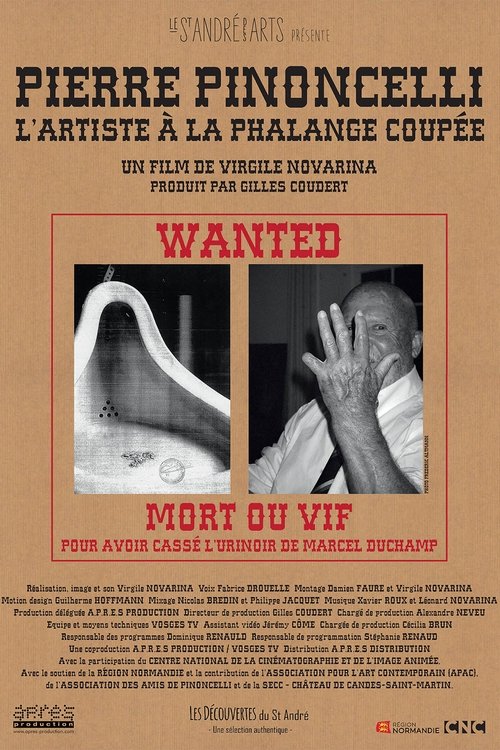
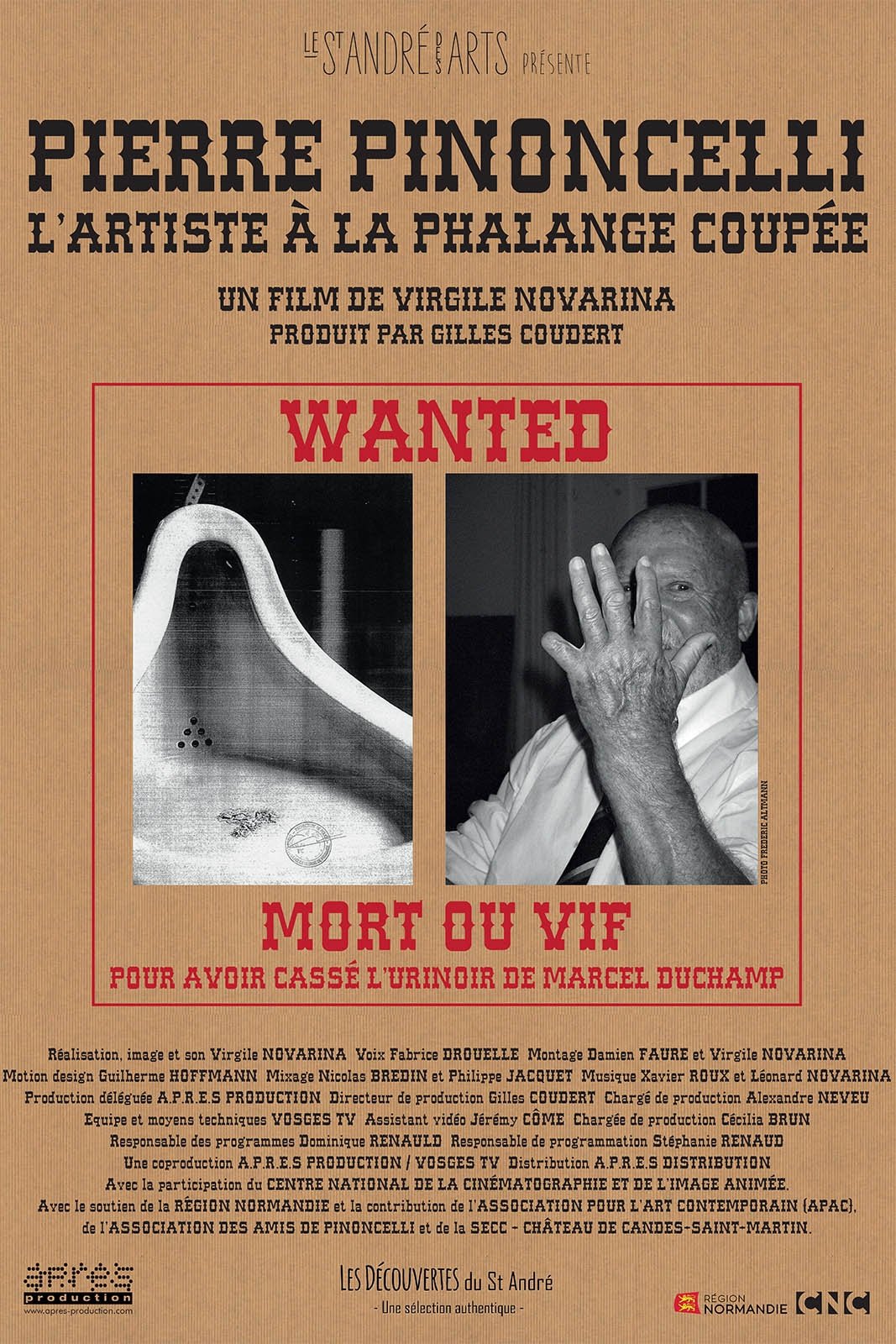
Since his two attacks with a hammer against Marcel Duchamp's urinal in 1993 and again in 2006, the artist Pierre Pinoncelli is known worldwide for this iconoclastic and subversive act. Often misinterpreted by the press, this double performance, and the trials that followed it, overshadowed the rest of his work: his paintings from the 1960s, and the many powerful happenings he made. Pinoncelli sprayed André Malraux with red paint in 1969, robbed a bank to protest apartheid in 1975, and mutilated himself in 2002 to denounce FARC violence in Colombia. Often motivated by political demands, Pinoncelli went to the end of his ideas and expressed himself through often shocking gestures, which question us.
Director
Writer
Status
Released
Original Language
FR
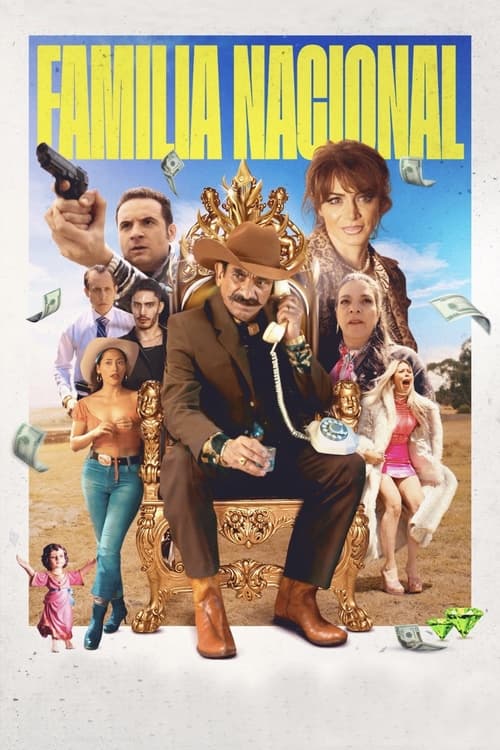
Don Poli, the patriarch of a family embedded in politics, faces the change of party in his state - after a hundred years in power - losing all his privileges. Humiliated and angry, he threatens to disinherit his family and leave to rebuild his life. This forces his children (Kippy, Ramses and Belén) to take extreme measures to ensure their future, causing everything that could go wrong to turn out worse.