User Score
2 votes
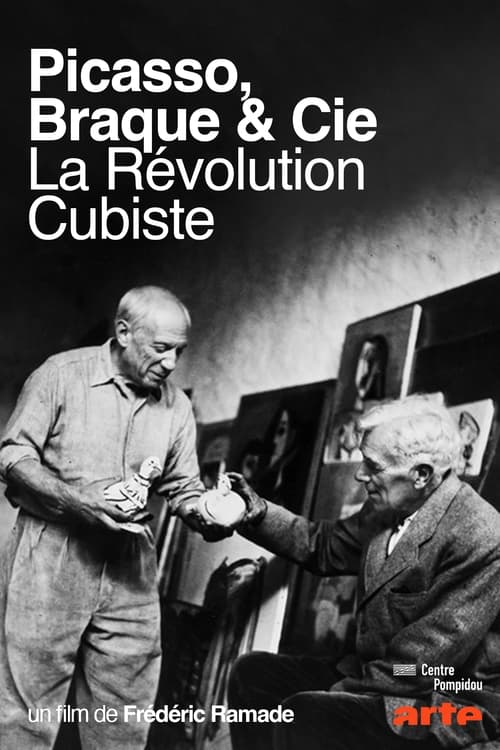
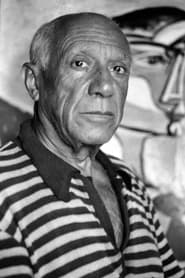
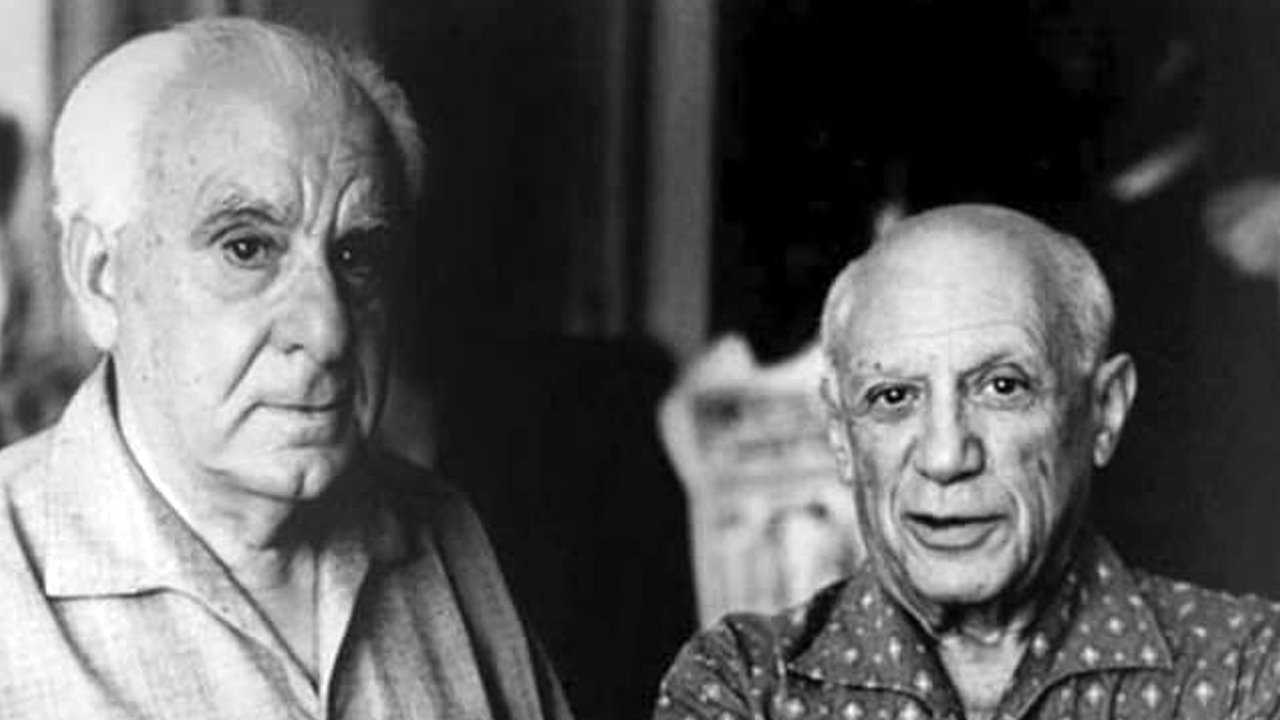
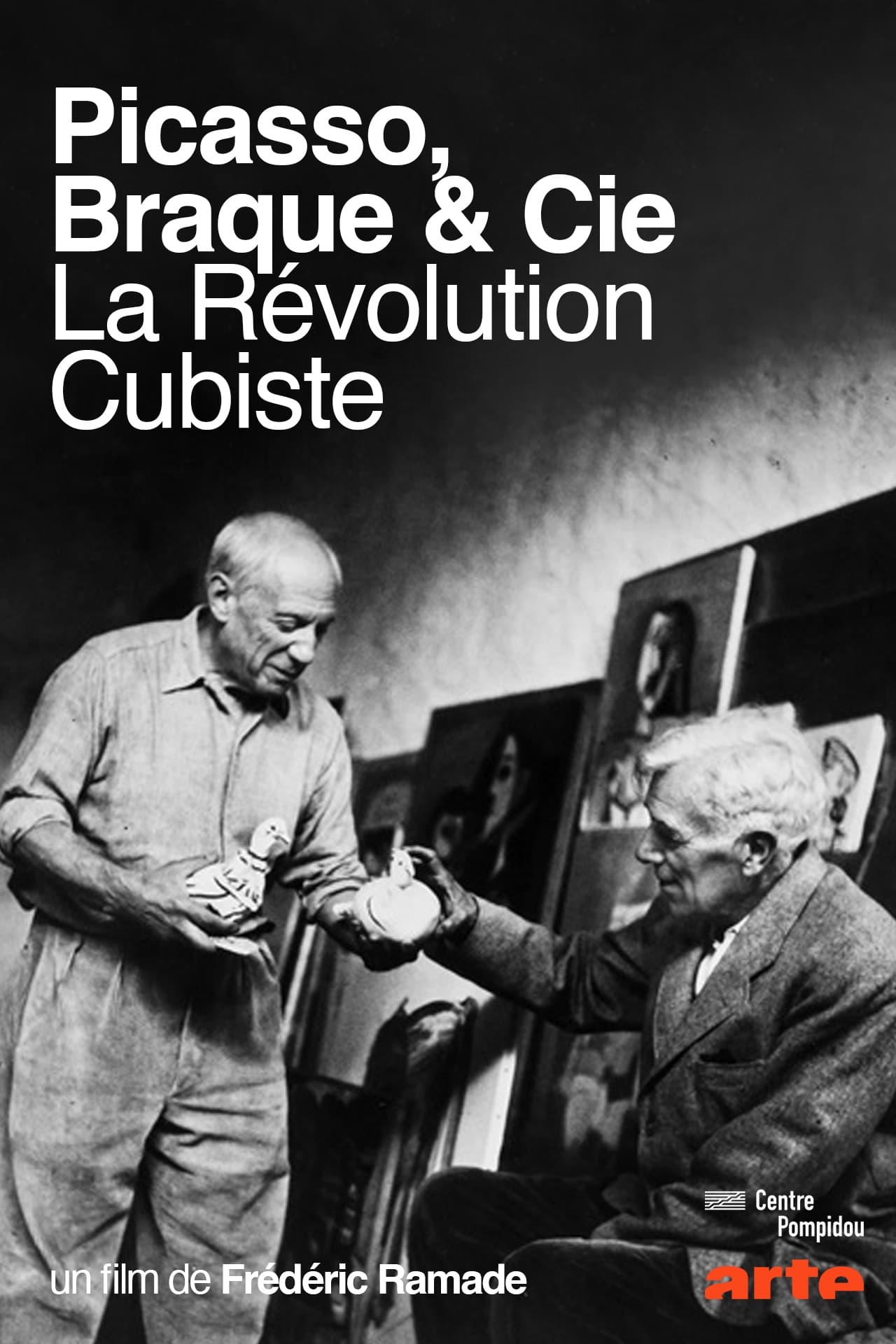
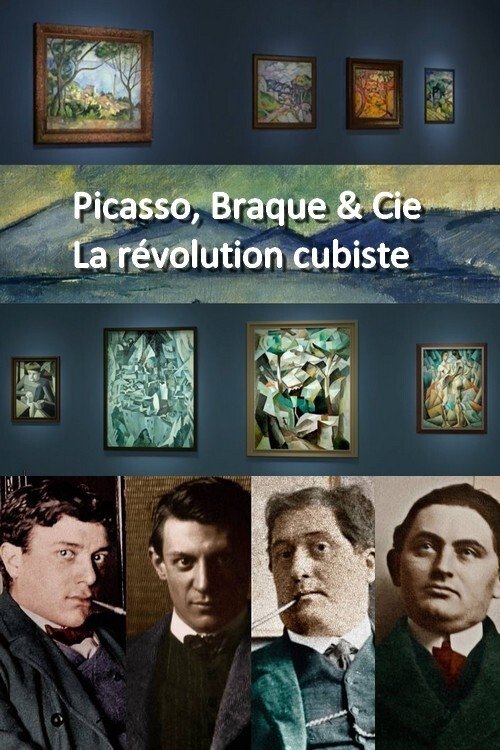
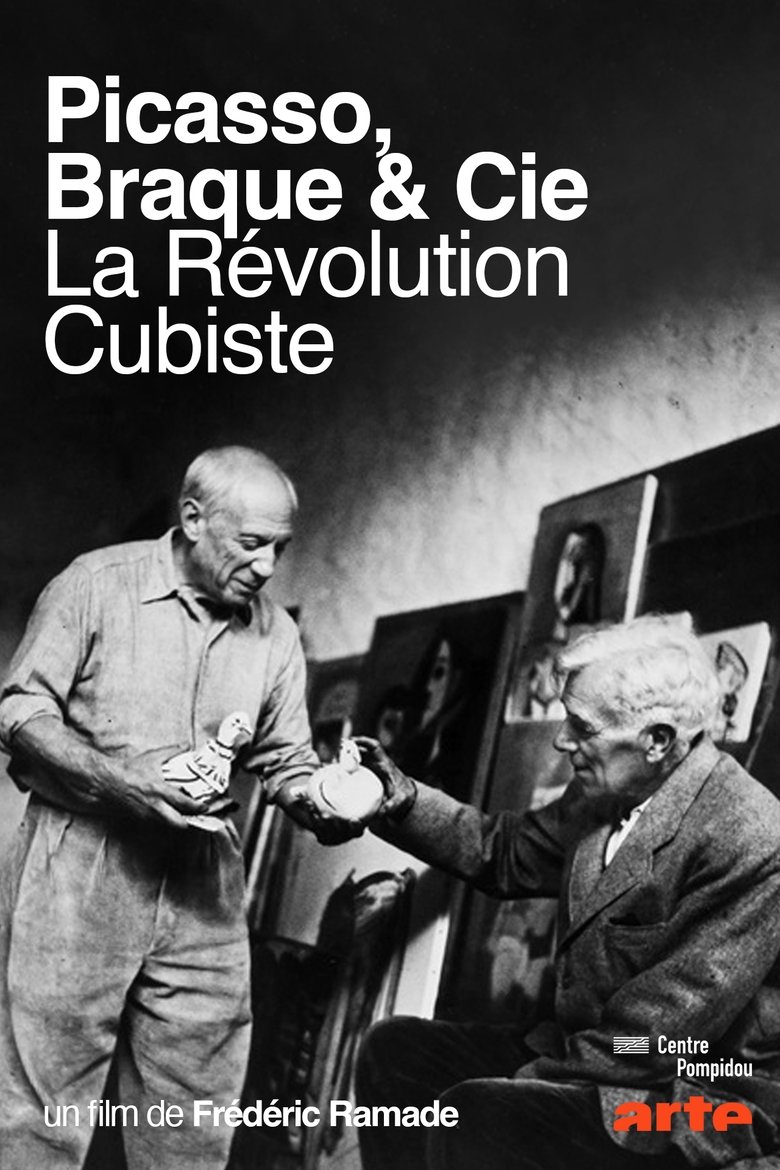
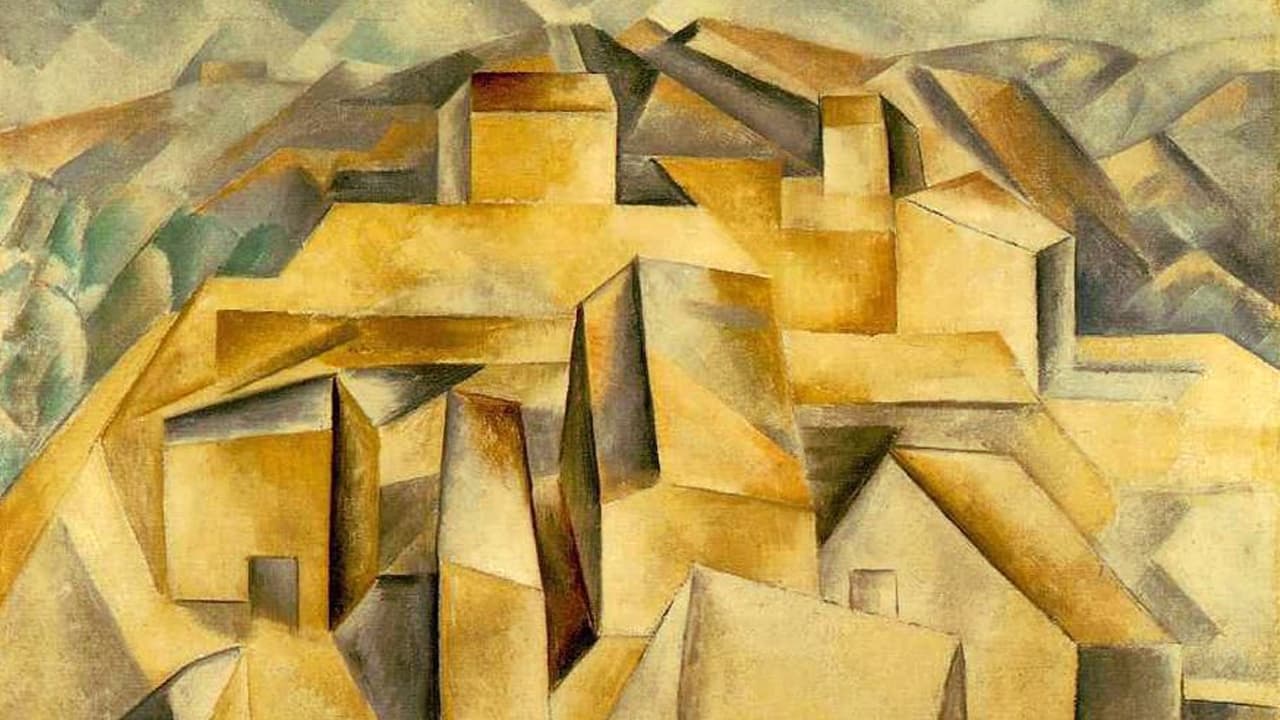
In 1906, Georges Braque and Pablo Picasso were 24 and 25 years old. The Butte Montmartre is their Parisian sanctuary where artists in need of recognition meet. Braque and Picasso become friends to the point of never leaving each other. For the moment, their paintings do not interest many people; only Apollinaire, then aged 26, and the young gallery owner Daniel-Henry Kahnweiler, 22, saw immense potential in them. And in addition to their passion for painting, these four inseparable boys share the same appetite for modernity. Collages, diversions of materials and geometrization of forms: cubism opened the way to abstraction. A revolution initiated by Picasso and Braque, which profoundly changed the course of the history of modern art.
Director
Writer
Status
Released
Original Language
FR

Self (archive footage)
Cameramen and women discuss the craft and art of cinematography and of the "DP" (the director of photography), illustrating their points with clips from 100 films, from Birth of a Nation to Do the Right Thing. Themes: the DP tells people where to look; changes in movies (the arrival of sound, color, and wide screens) required creative responses from DPs; and, these artisans constantly invent new equipment and try new things, with wonderful results. The narration takes us through the identifiable studio styles of the 30s, the emergence of noir, the New York look, and the impact of Europeans. Citizen Kane, The Conformist, and Gordon Willis get special attention.