
User Score
0 votes
During the Chinese Civil War, Taiwan was seen as the terminal destination for a unit fleeing themainland. However, while crossing the Sino-Vietnamese border, they were detained on an islandcalled “Phú Quốc” by the French authorities, who were colonizing Vietnam at that time. Unawareof how long this temporary detention would last, they began transforming this primitive island into abase for a future counterattack on the mainland. Four years later, they finally managed to sail to Tai-wan — an island they had never been to but regarded as their homeland. Years later, in Kaohsiung’s Chengcing Lake, there is also an artificial island named “Phú Quốc” built to commemorate this unit,effectively becoming Phú Quốc 2.0.
Director
Status
Released
Original Language
ZH

When Allied forces liberated the Nazi concentration camps in 1944-45, their terrible discoveries were recorded by army and newsreel cameramen, revealing for the first time the full horror of what had happened. Making use of British, Soviet and American footage, the Ministry of Information’s Sidney Bernstein (later founder of Granada Television) aimed to create a documentary that would provide lasting, undeniable evidence of the Nazis’ unspeakable crimes. He commissioned a wealth of British talent, including editor Stewart McAllister, writer and future cabinet minister Richard Crossman – and, as treatment advisor, his friend Alfred Hitchcock. Yet, despite initial support from the British and US Governments, the film was shelved, and only now, 70 years on, has it been restored and completed by Imperial War Museums under its original title "German Concentration Camps Factual Survey".
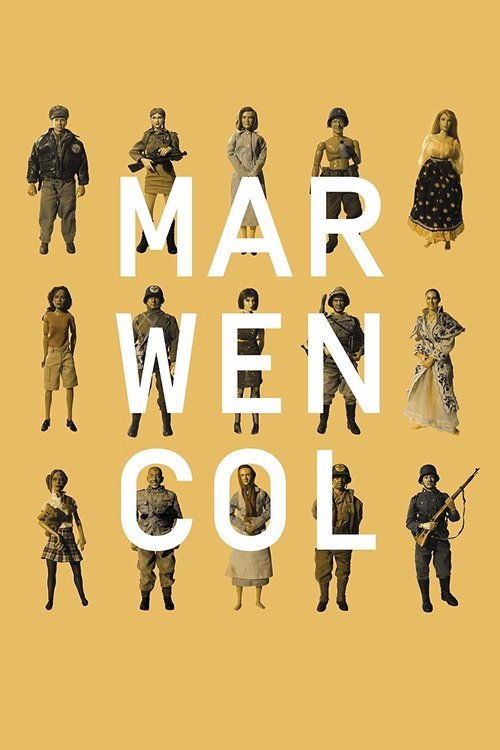
After a vicious attack leaves him brain-damaged and broke, Mark Hogancamp seeks recovery in "Marwencol", a 1/6th scale World War II-era town he creates in his backyard.