
User Score
4 votes
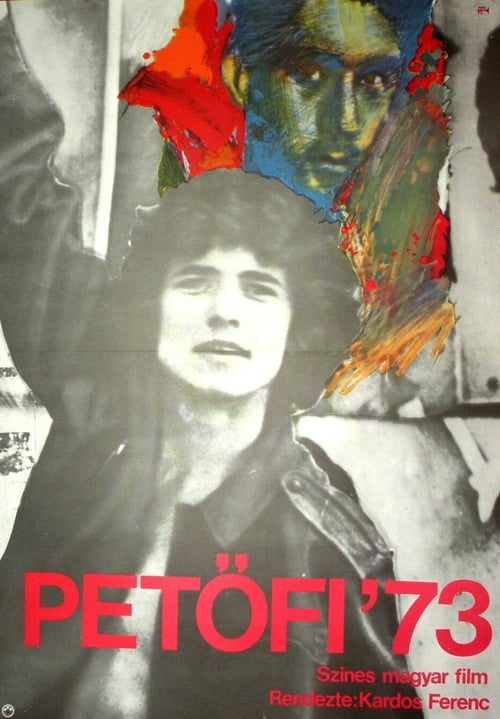
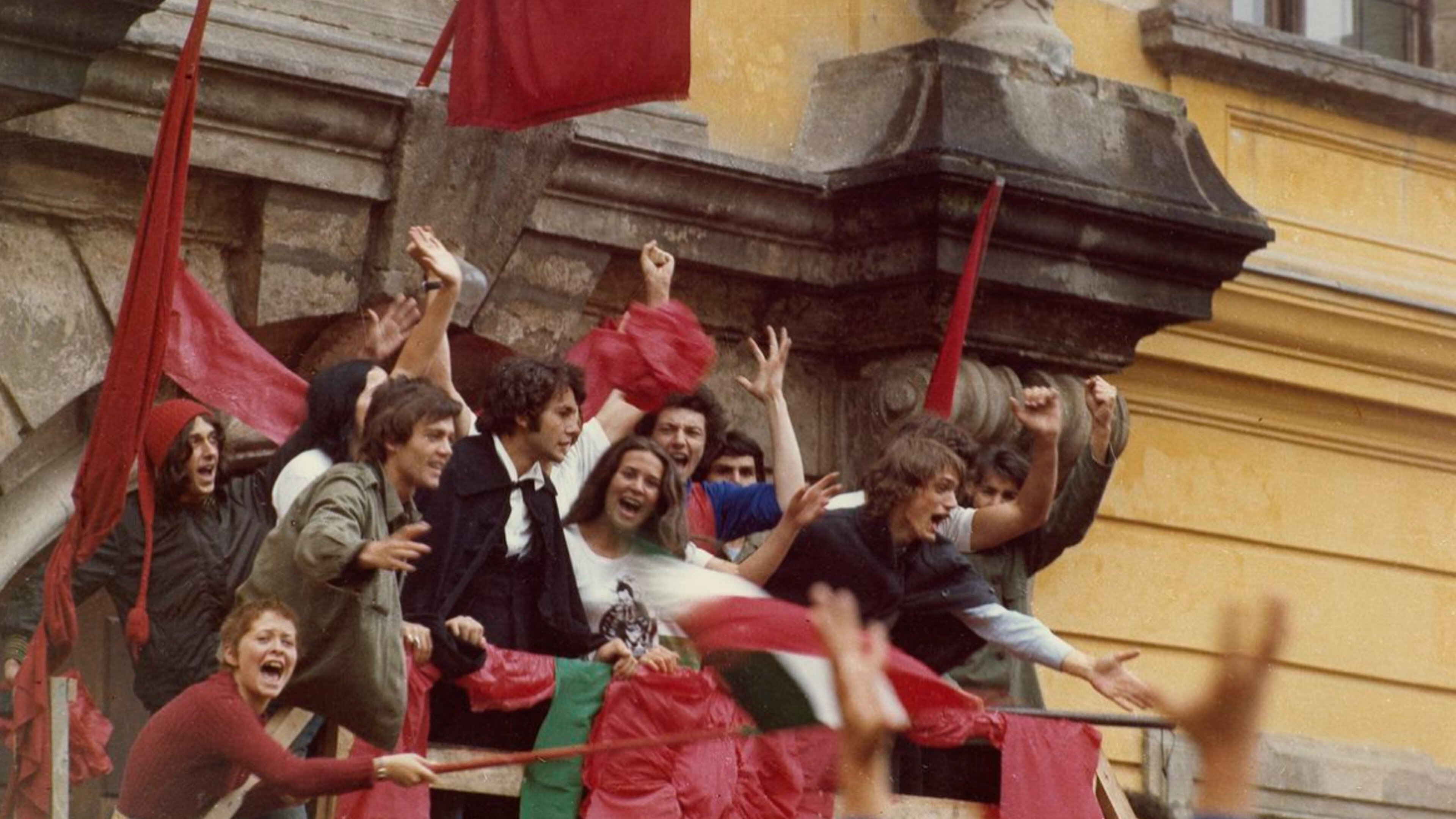
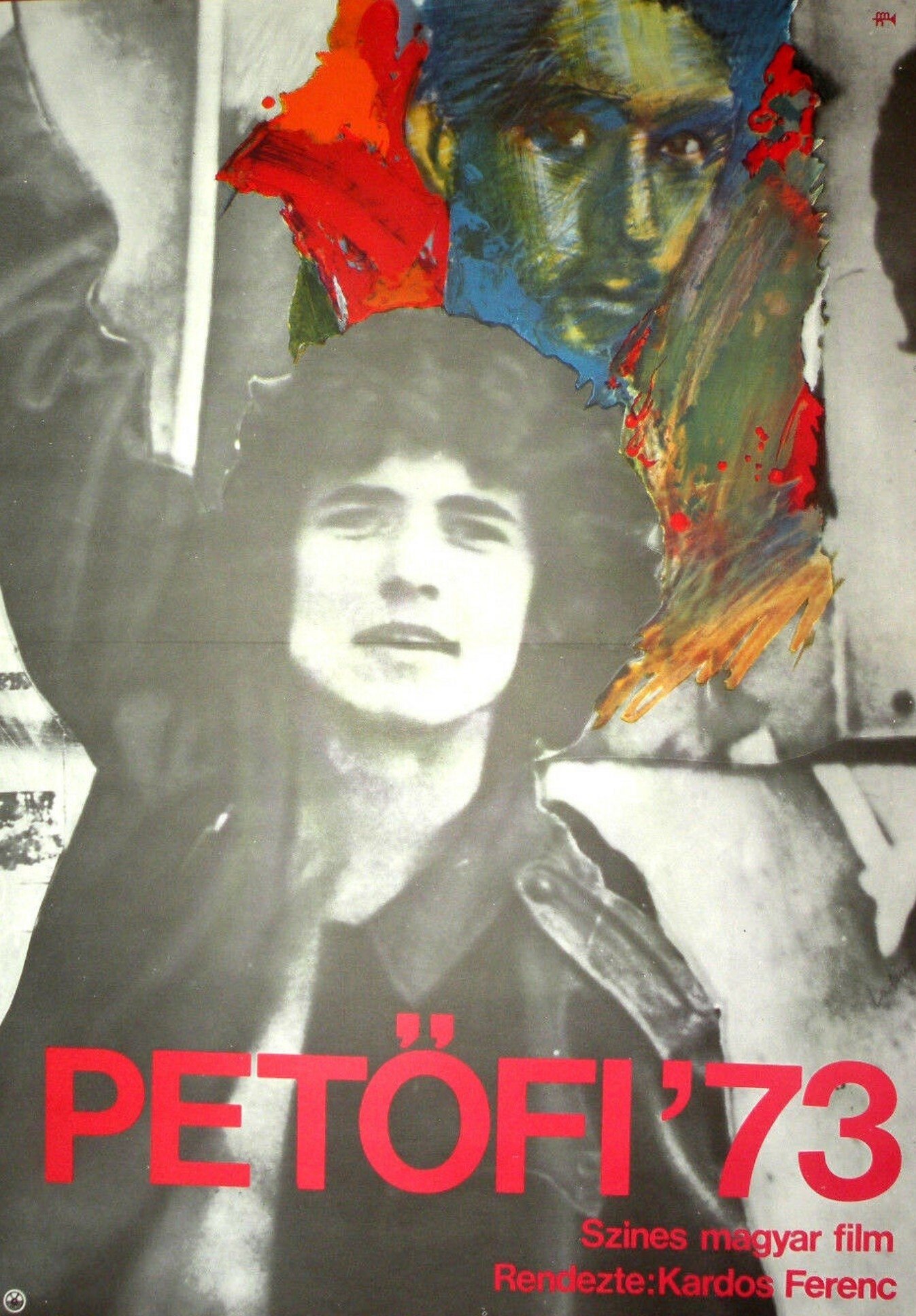
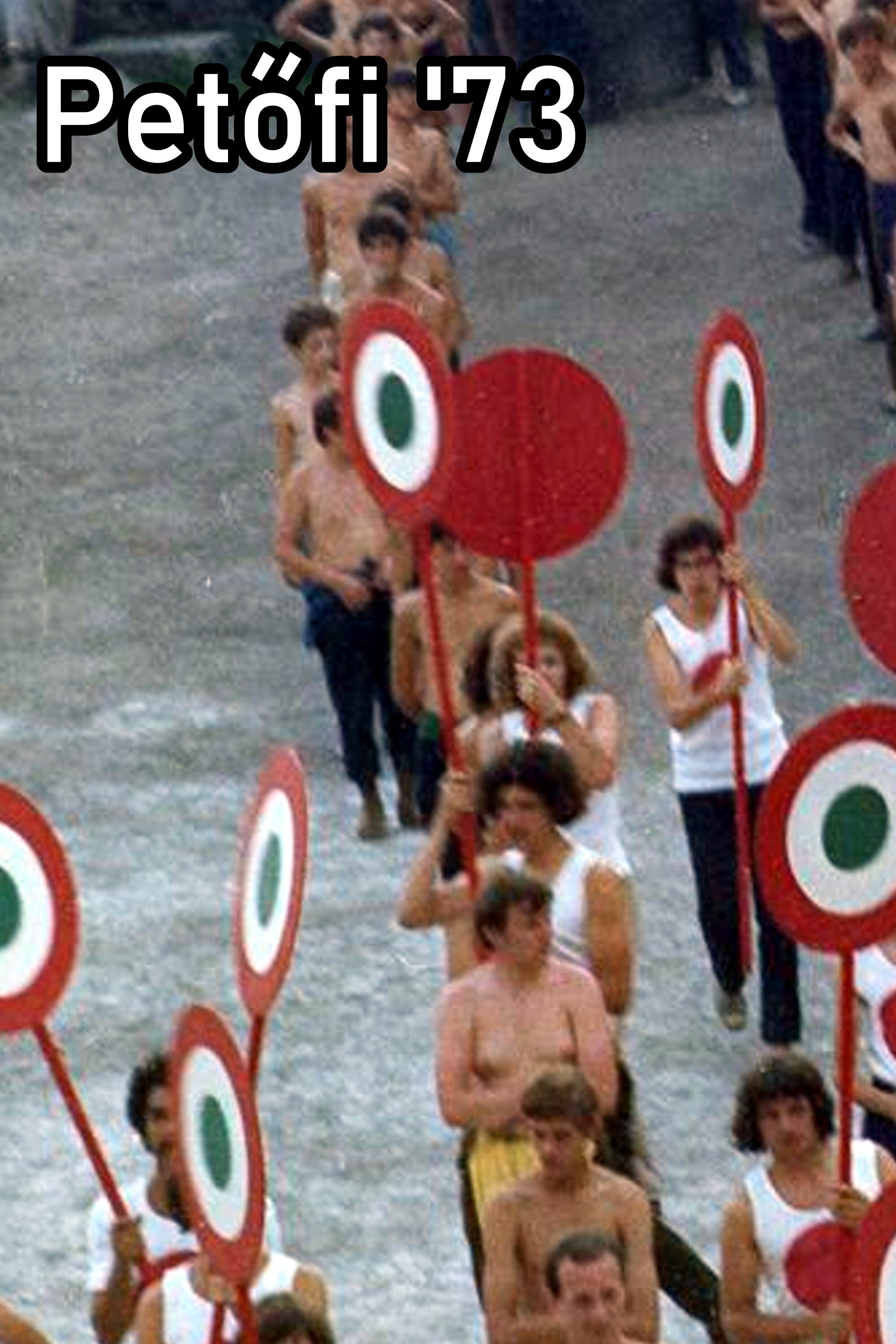
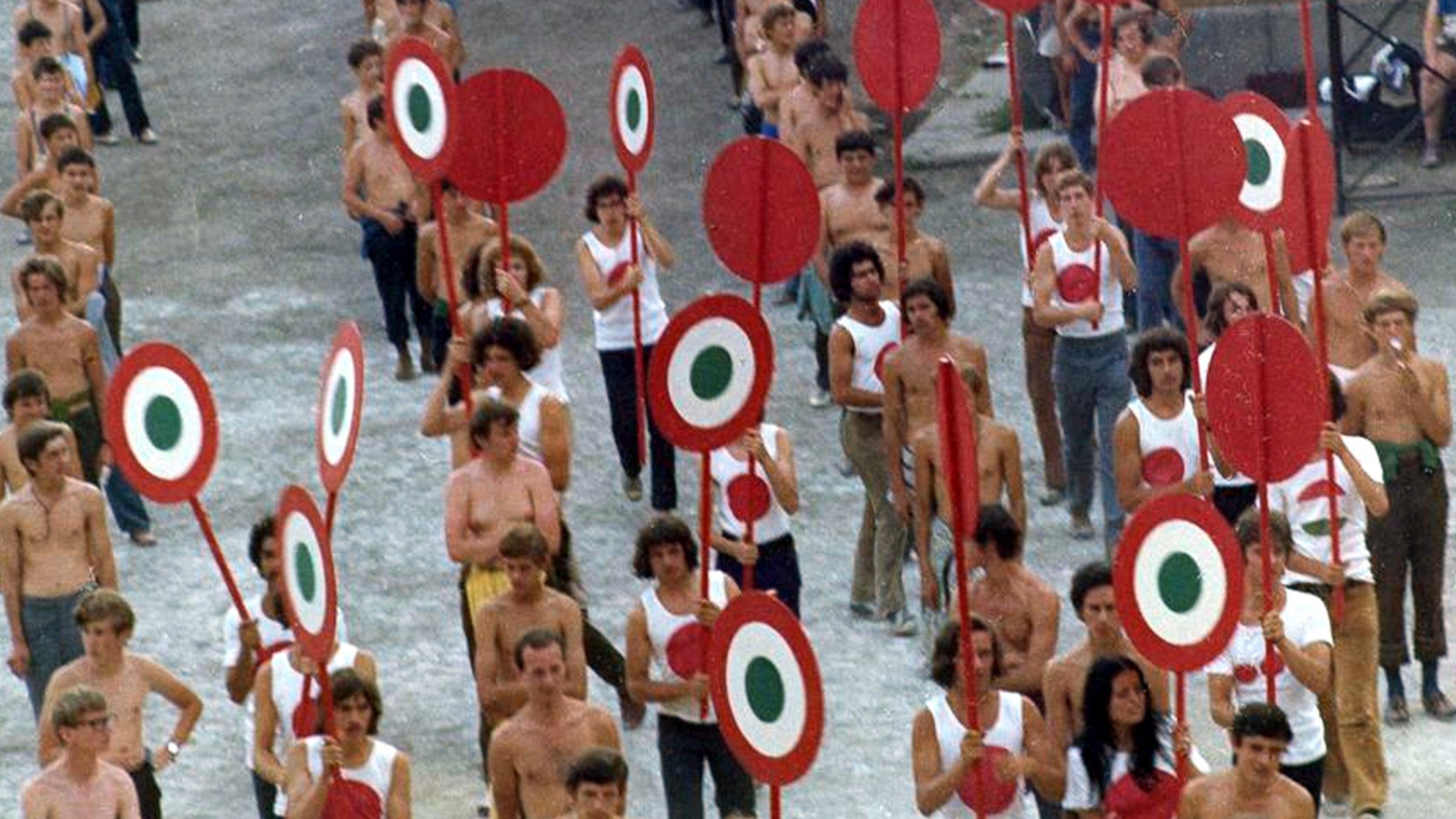
Using high-school students, Hungarian director Ferenc Kardos re-created the 1848 revolutionary period in that country's history which was dominated by the poet/soldier Sandor Petofi (1822-1849). Petofi wrote many epic poems which inspired Hungarian nationalism, the most well-known of which is Up Magyar! The students were encouraged to improvise without costumes or scenery, and did so with gusto.
Status
Released
Original Language
HU
Kossuth Lajos
A Hungarian family forced to flee the Communist country for the United States must leave a young daughter behind. Six years later, the family arranges to bring the absent daughter to the United States where she has trouble adjusting. The daughter then decides to travel to Budapest to discover her identity.