
User Score
4 votes
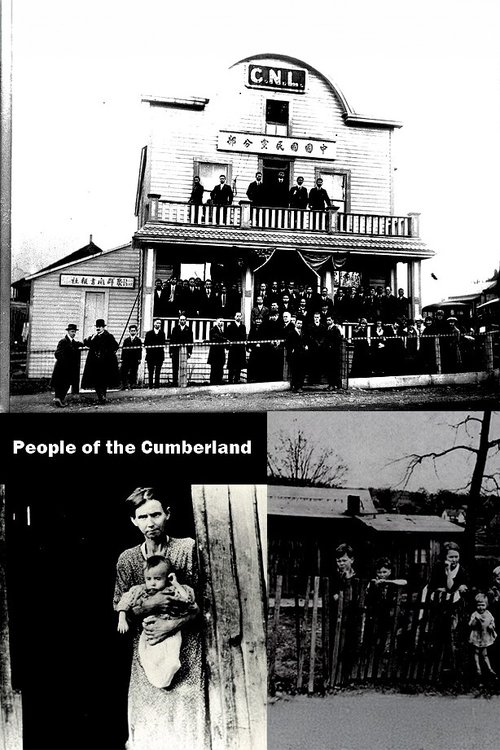
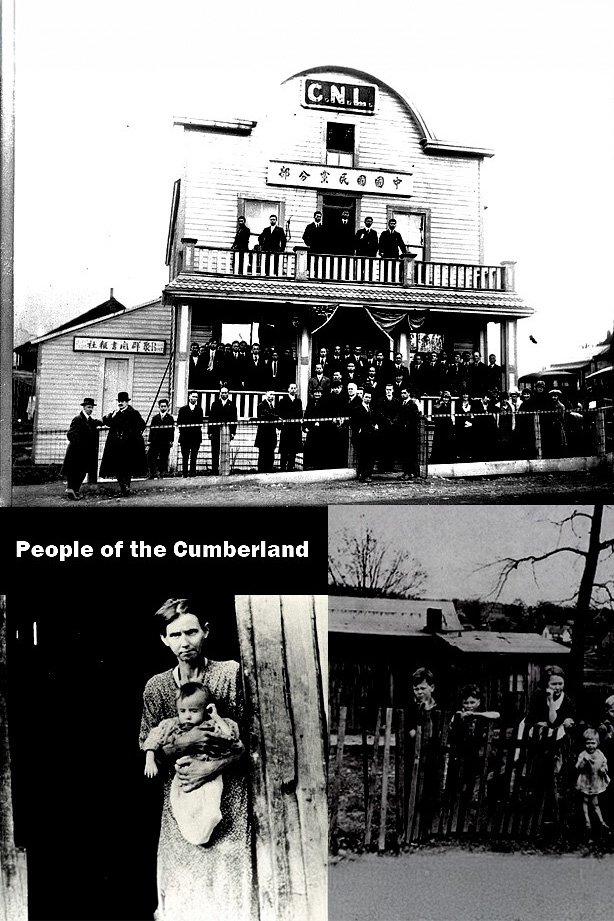
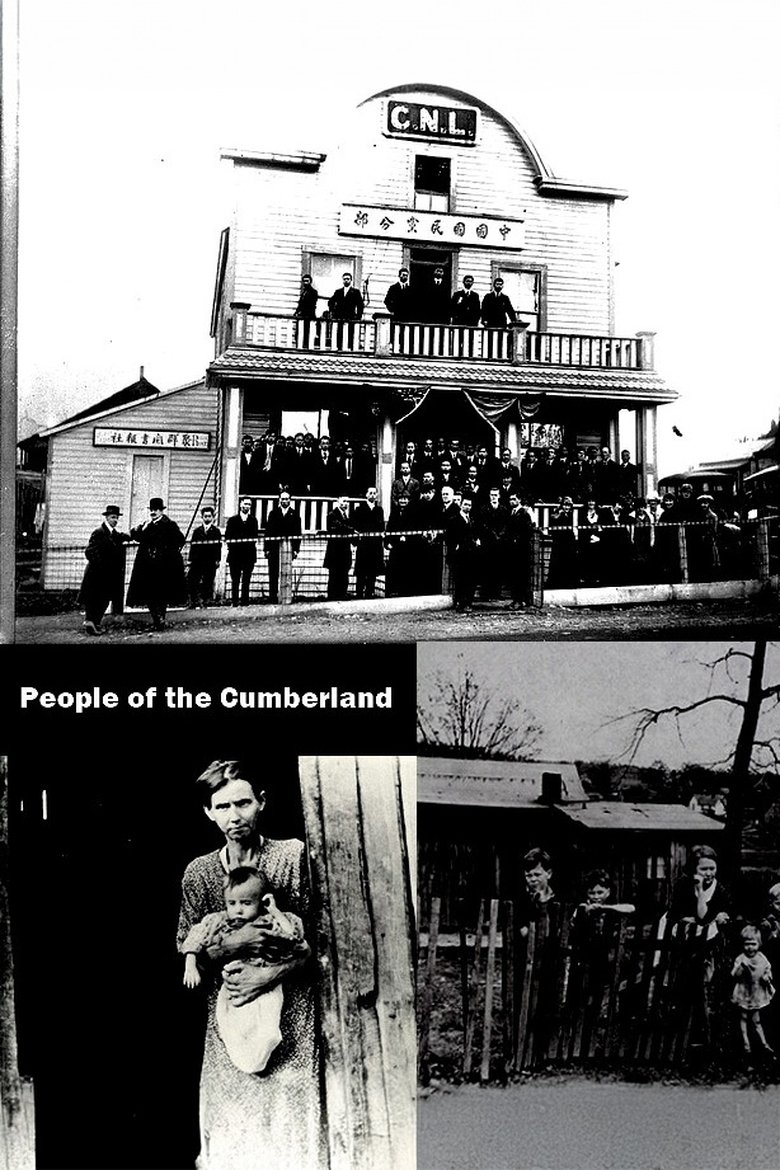
The film takes place in rural Tennessee, where communities have experienced economic and environmental devastation created by the coal mining industry. The introduction of the Highlander Folk School in 1931 by educator Myles Horton and the movement to bring labor union representation to the region are shown as means of empowering the population. Efforts are made to stop the union activities with the murder of a local organizer, but eventually the union movement is able to take root with the local workforce.
Status
Released
Original Language
EN
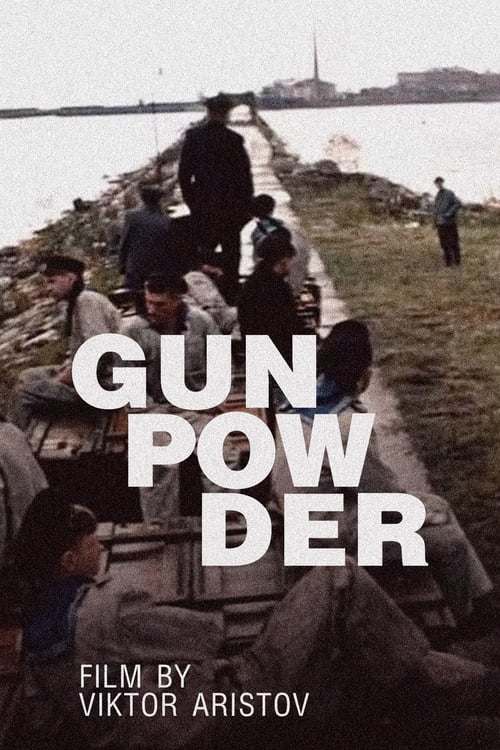
At the end of September 1941, Soviet artillery troops in besieged Leningrad realize that pretty soon they will fire their last shot, and after that the defense of the city will be doomed. The film is based on a true event: a small group of fearless soldiers transported a large supply of gunpowder through enemy lines to Leningrad.