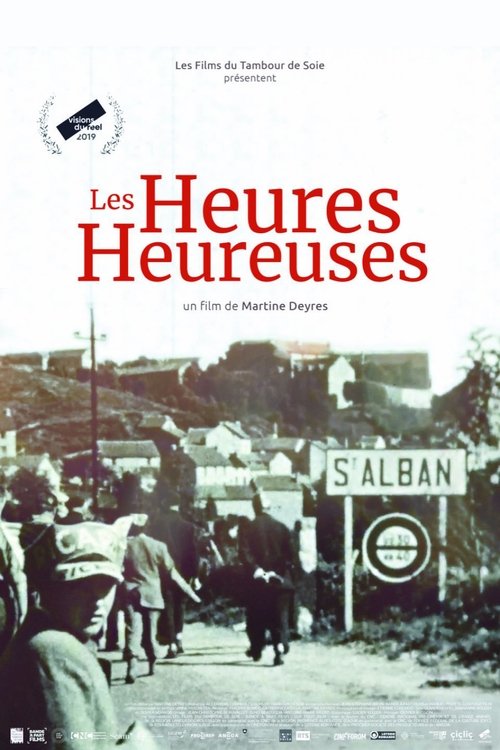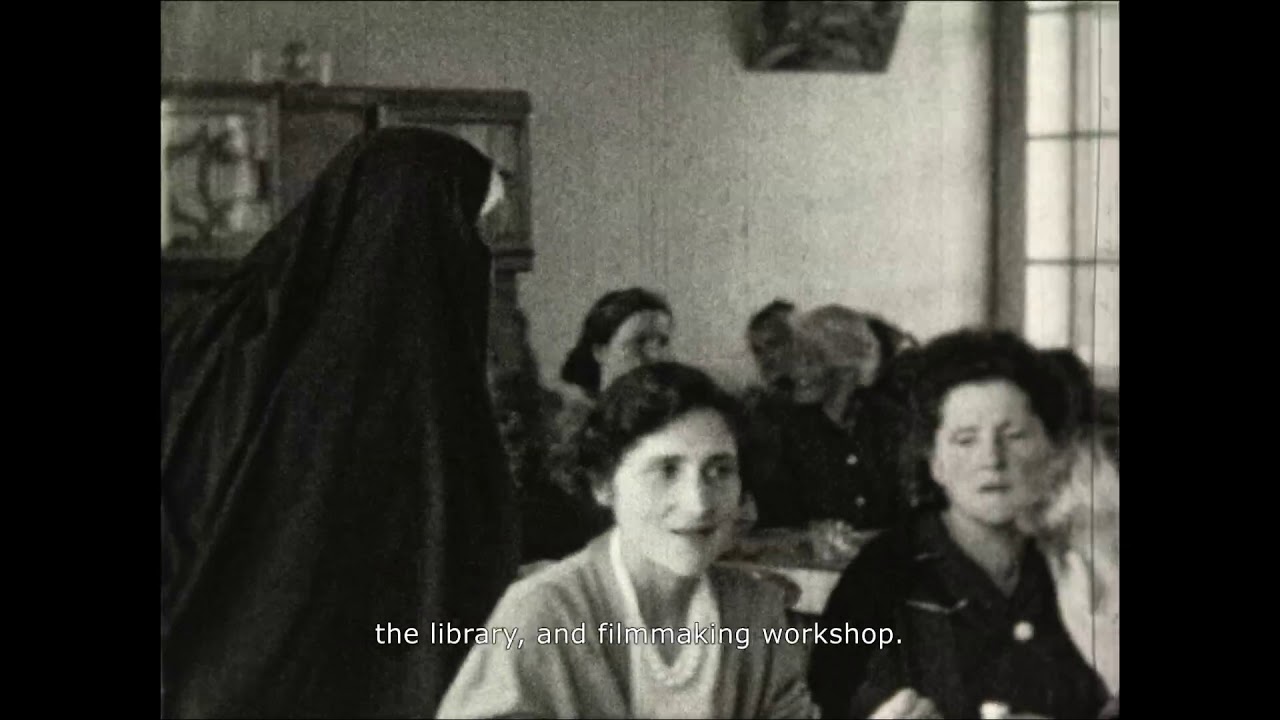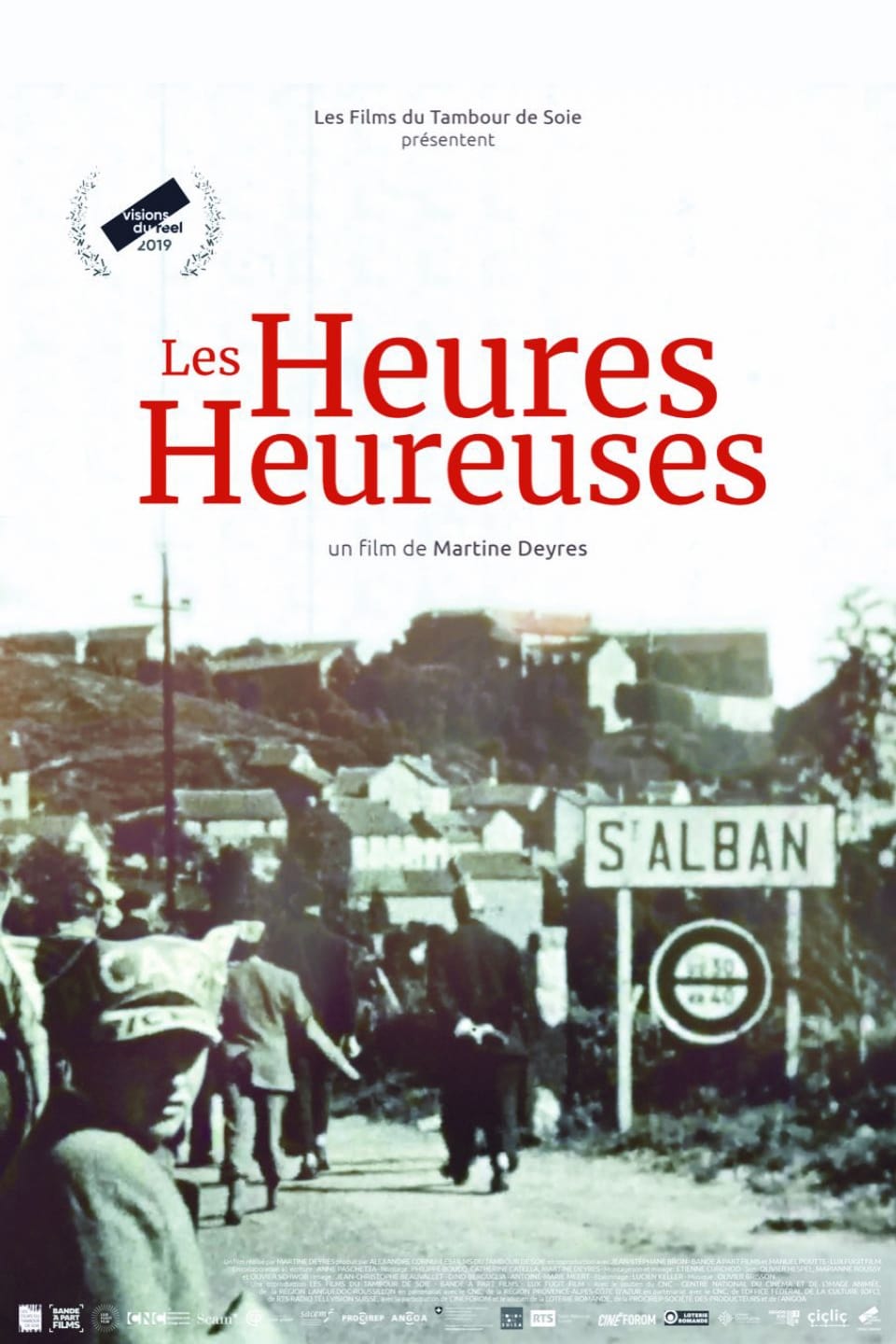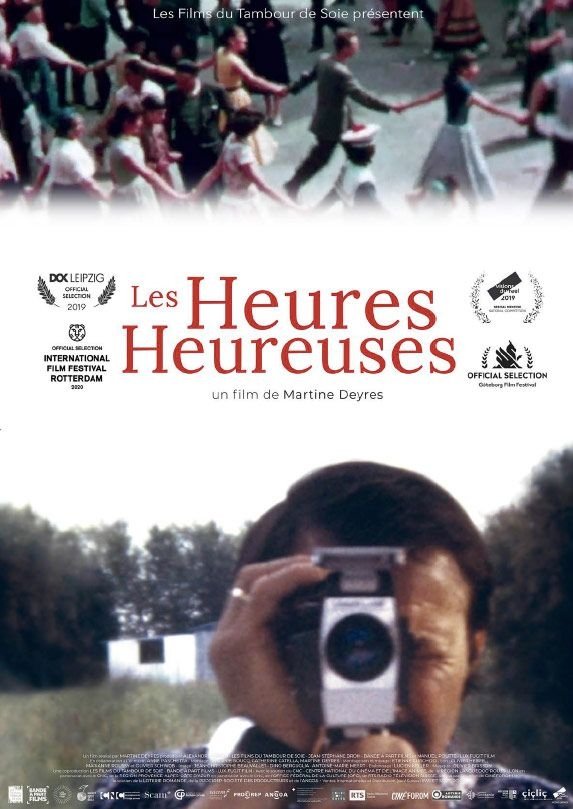
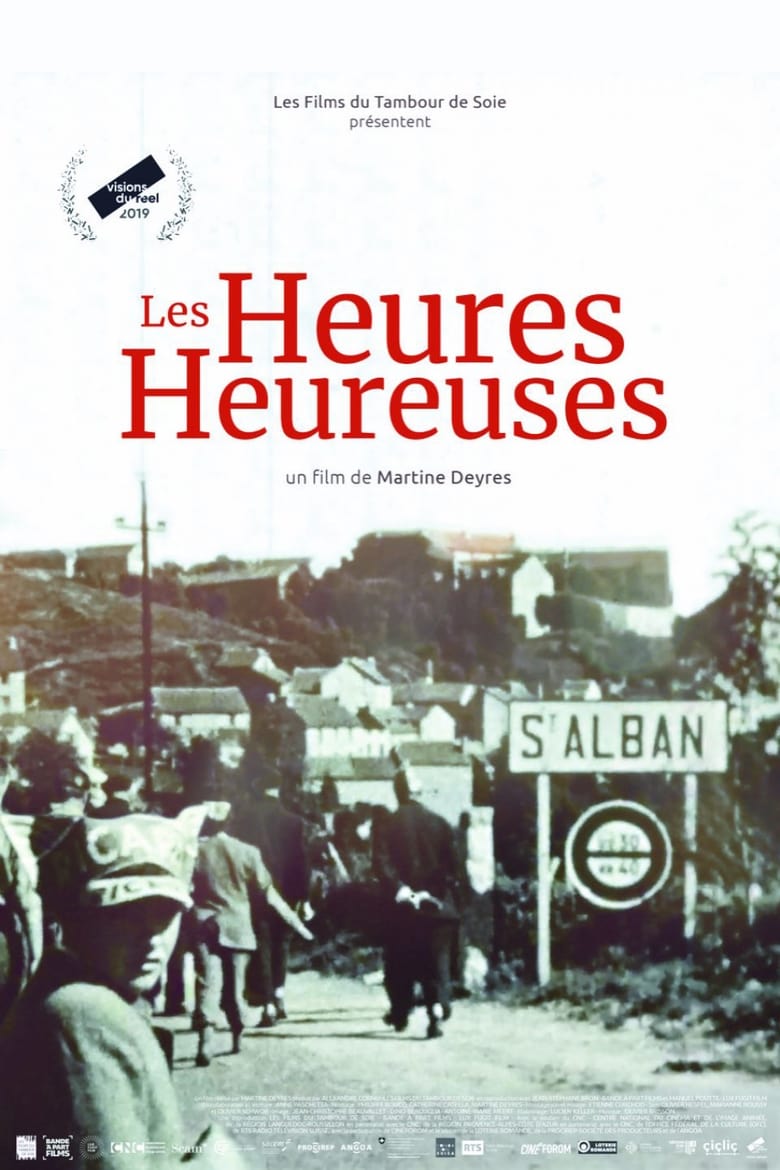

45,000 patients died in French psychiatric hospitals between 1939 and 1945. A single site escaped this carnage: the asylum in Saint-Alban, an isolated village in Lozère. What happened there for it to be an exception? Retracing several decades in the history of this important site of psychiatry, using precious archival films and the accounts of those who worked there, Martine Deyres answers this question and, in doing so, shows how the political courage and poetic audacity that were practised there contributed to changing medicine and society’s perception on madness. Intersecting in the crucible of this movement called “institutional psychotherapy” were members of the Resistance, artists, doctors and philosophers—including Paul Eluard, Tristan Tzara and Georges Canguilhem.
Status
Released
Original Language
FR

When Allied forces liberated the Nazi concentration camps in 1944-45, their terrible discoveries were recorded by army and newsreel cameramen, revealing for the first time the full horror of what had happened. Making use of British, Soviet and American footage, the Ministry of Information’s Sidney Bernstein (later founder of Granada Television) aimed to create a documentary that would provide lasting, undeniable evidence of the Nazis’ unspeakable crimes. He commissioned a wealth of British talent, including editor Stewart McAllister, writer and future cabinet minister Richard Crossman – and, as treatment advisor, his friend Alfred Hitchcock. Yet, despite initial support from the British and US Governments, the film was shelved, and only now, 70 years on, has it been restored and completed by Imperial War Museums under its original title "German Concentration Camps Factual Survey".
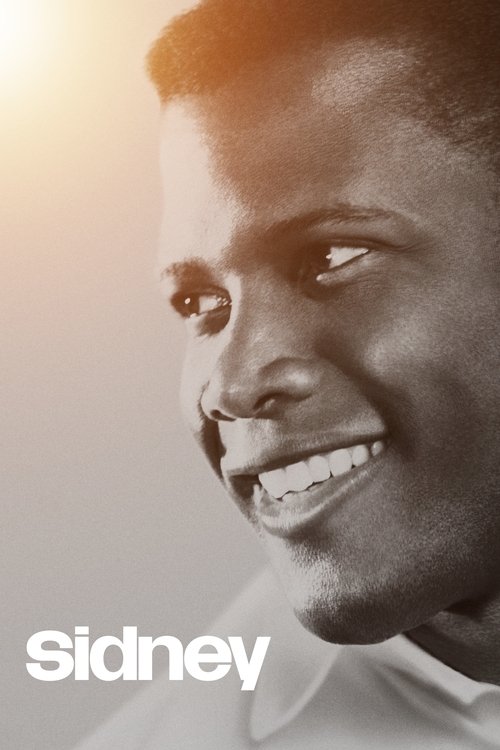
This revealing documentary honors the legendary Sidney Poitier—iconic actor, filmmaker, and civil rights activist. Featuring interviews with Denzel Washington, Spike Lee, Halle Berry, and more.