
User Score
0 votes
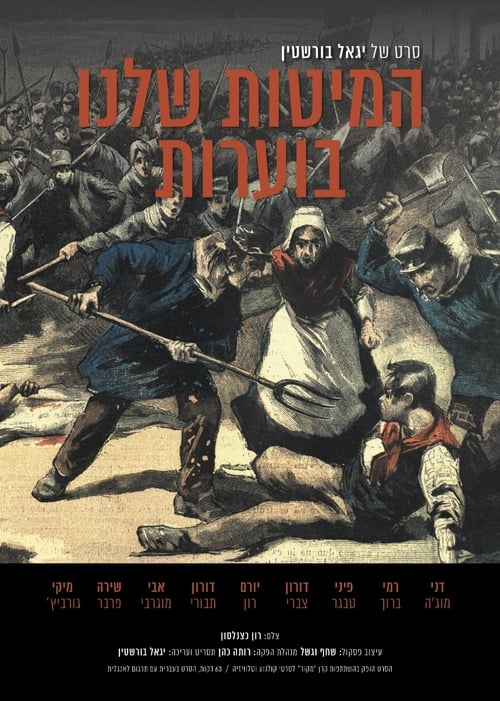
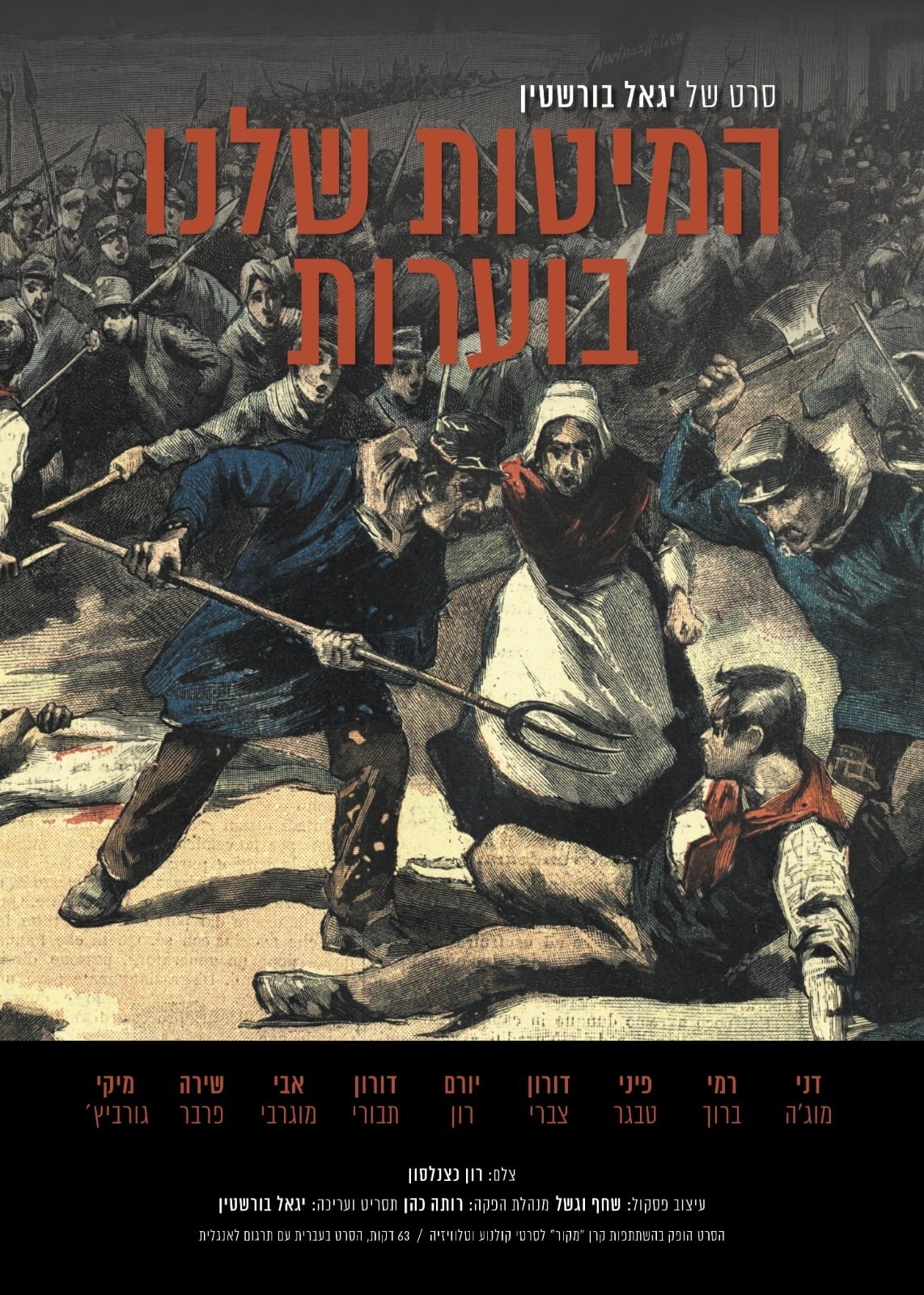
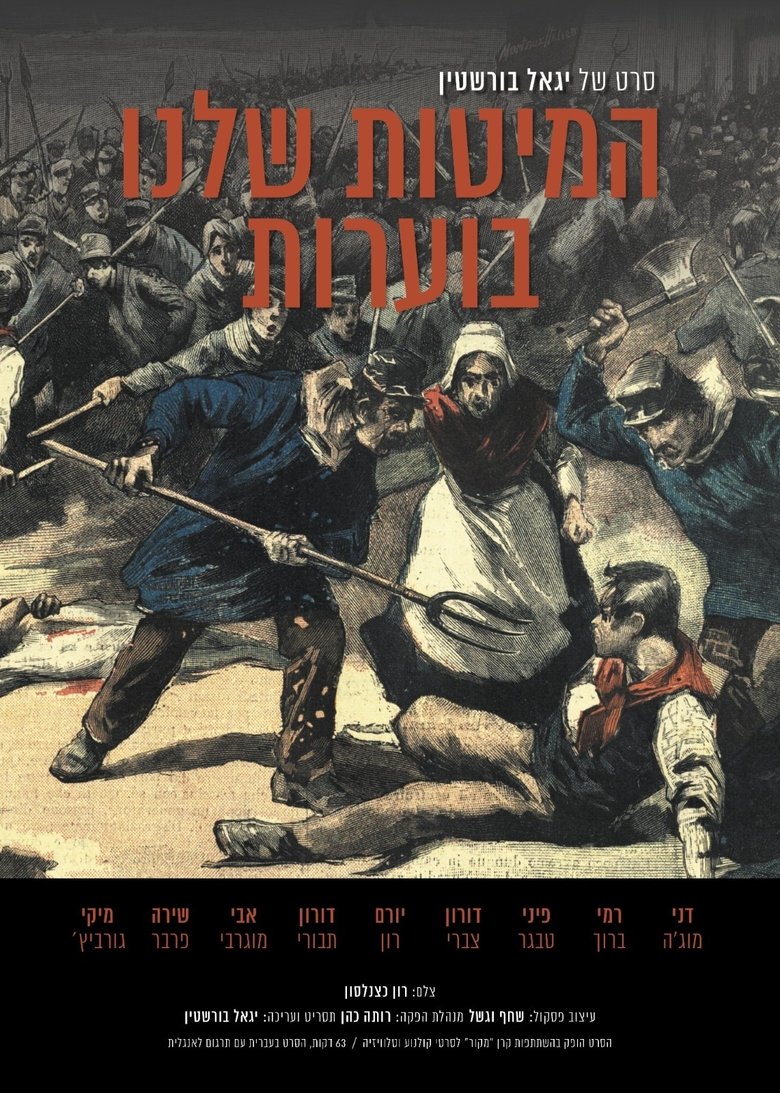
The film presents fascist ideologies since the beginning of the 20th Century. The actor/presenter of Maurice Barrés argues against foreign labor on the Tel Aviv beach. Mussolini in a gym. Jose Antonio Primo de Rivera in a bookshop. Carl Schmitt at court. Abba Ahimeir and Itamar Ben-Avi in a public library. Gudrun Streiter recalls her love affair with an SA Stormtrooper with Hitler and Himmler on a bench in a park. Three Rabbis from the Yitzhar Settlement on the West Bank: Shapira, Ginzburg and Elitzur have recently ruled that “there is a reason to kill a child if it is clear that it will grow to harm us” (Torat Hamelekh, 2009, pg. 207). They too appear and discuss their interpretation of Divine commands on a park bench.
Director
Status
Released
Original Language
HE
When Allied forces liberated the Nazi concentration camps in 1944-45, their terrible discoveries were recorded by army and newsreel cameramen, revealing for the first time the full horror of what had happened. Making use of British, Soviet and American footage, the Ministry of Information’s Sidney Bernstein (later founder of Granada Television) aimed to create a documentary that would provide lasting, undeniable evidence of the Nazis’ unspeakable crimes. He commissioned a wealth of British talent, including editor Stewart McAllister, writer and future cabinet minister Richard Crossman – and, as treatment advisor, his friend Alfred Hitchcock. Yet, despite initial support from the British and US Governments, the film was shelved, and only now, 70 years on, has it been restored and completed by Imperial War Museums under its original title "German Concentration Camps Factual Survey".
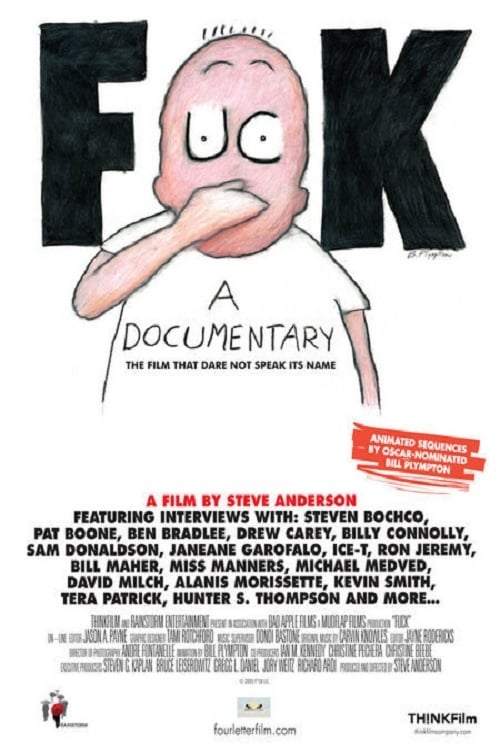
A documentary on the expletive's origin, why it offends some people so deeply, and what can be gained from its use.