
User Score
20 votes
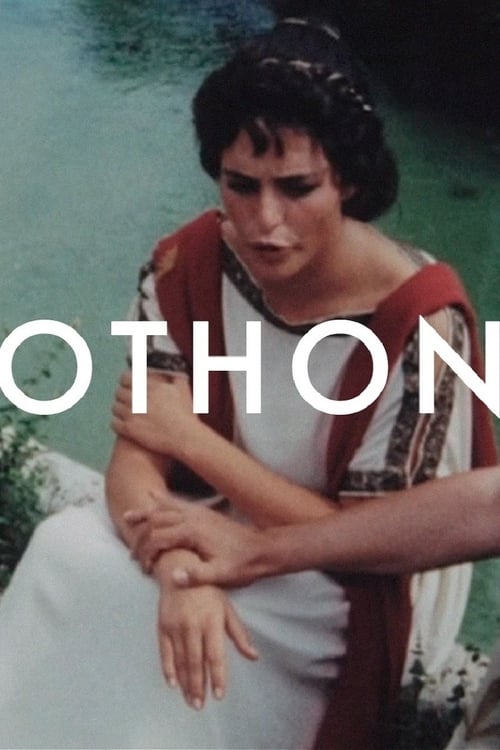
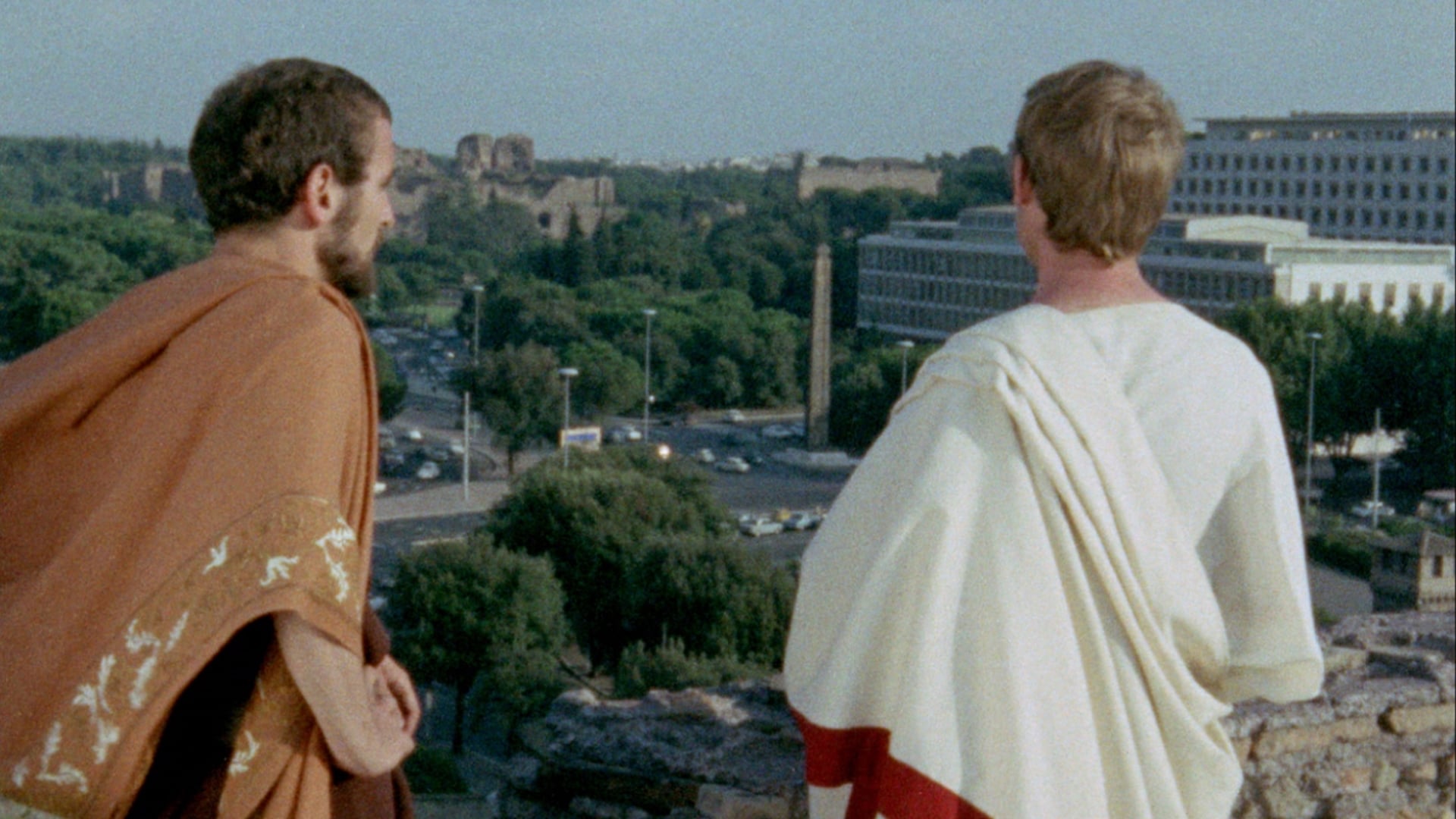
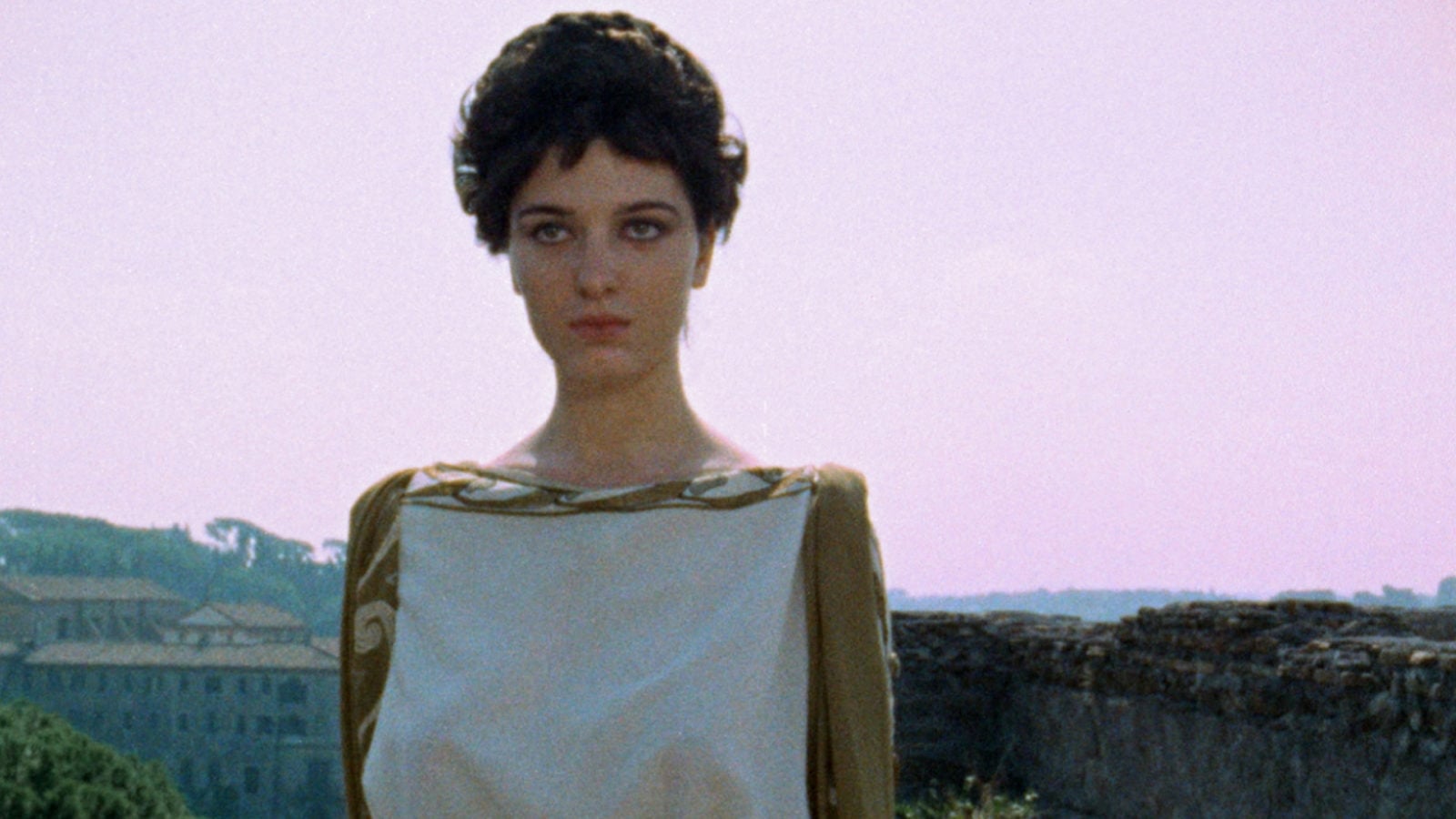
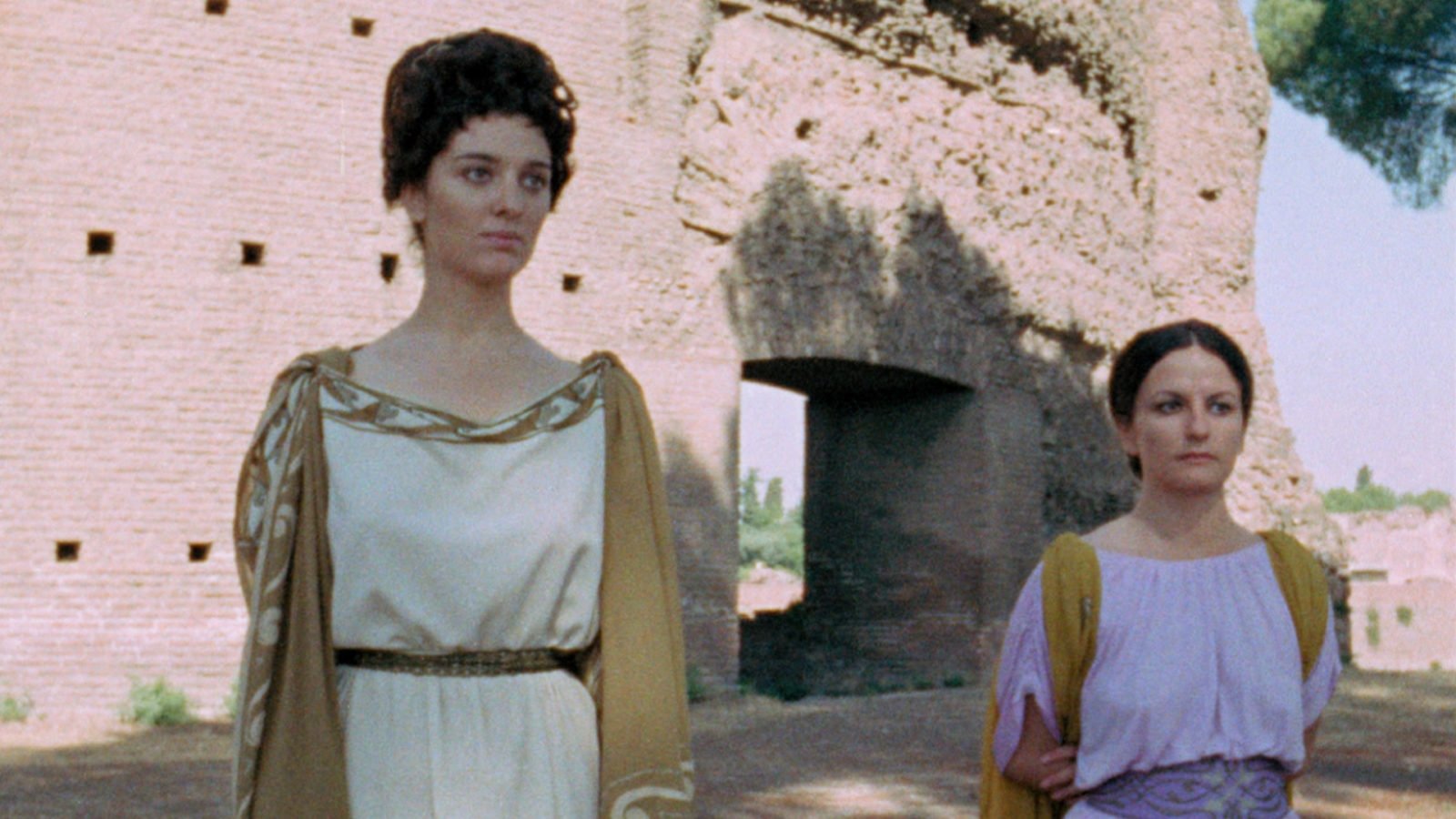
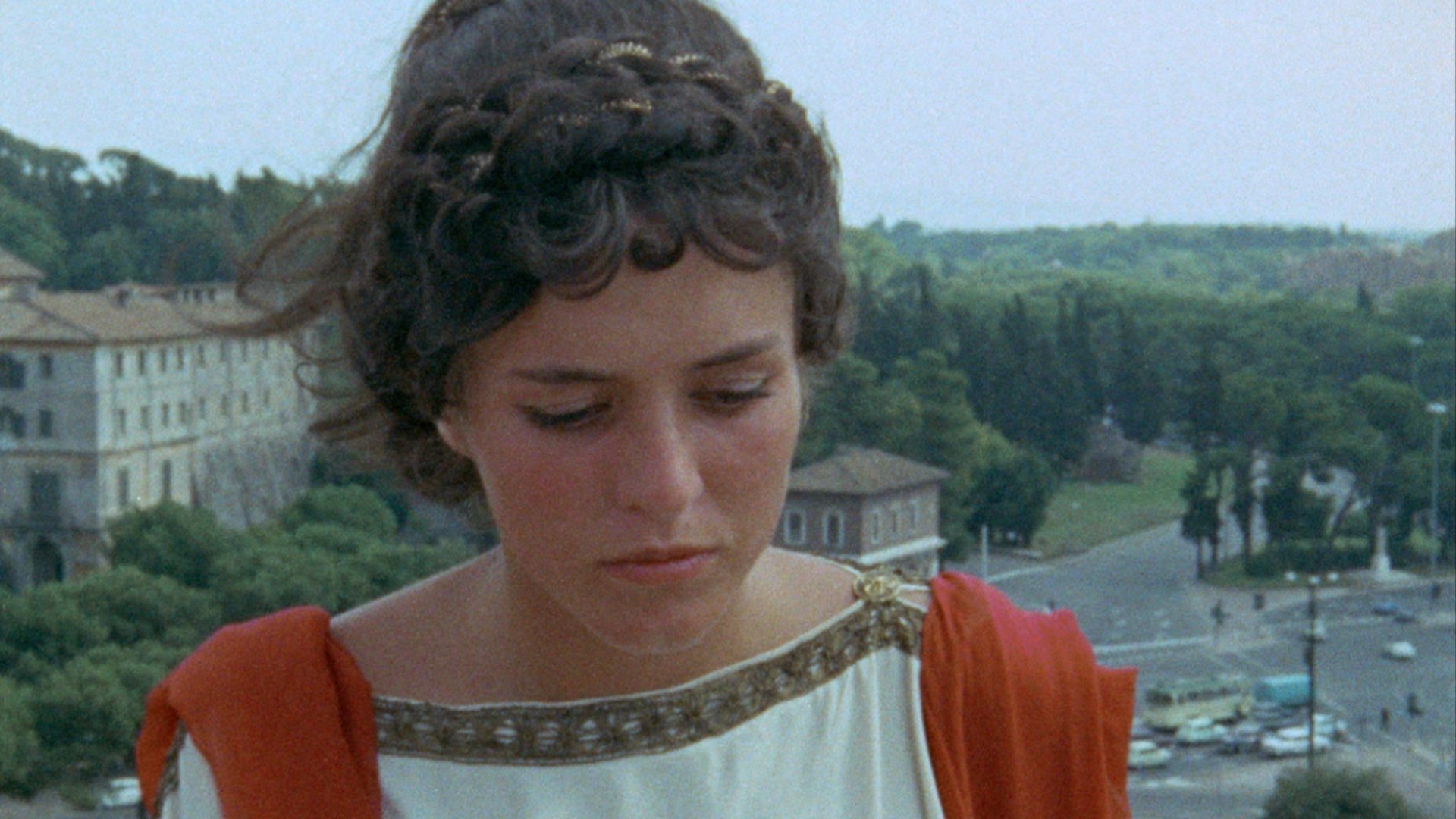
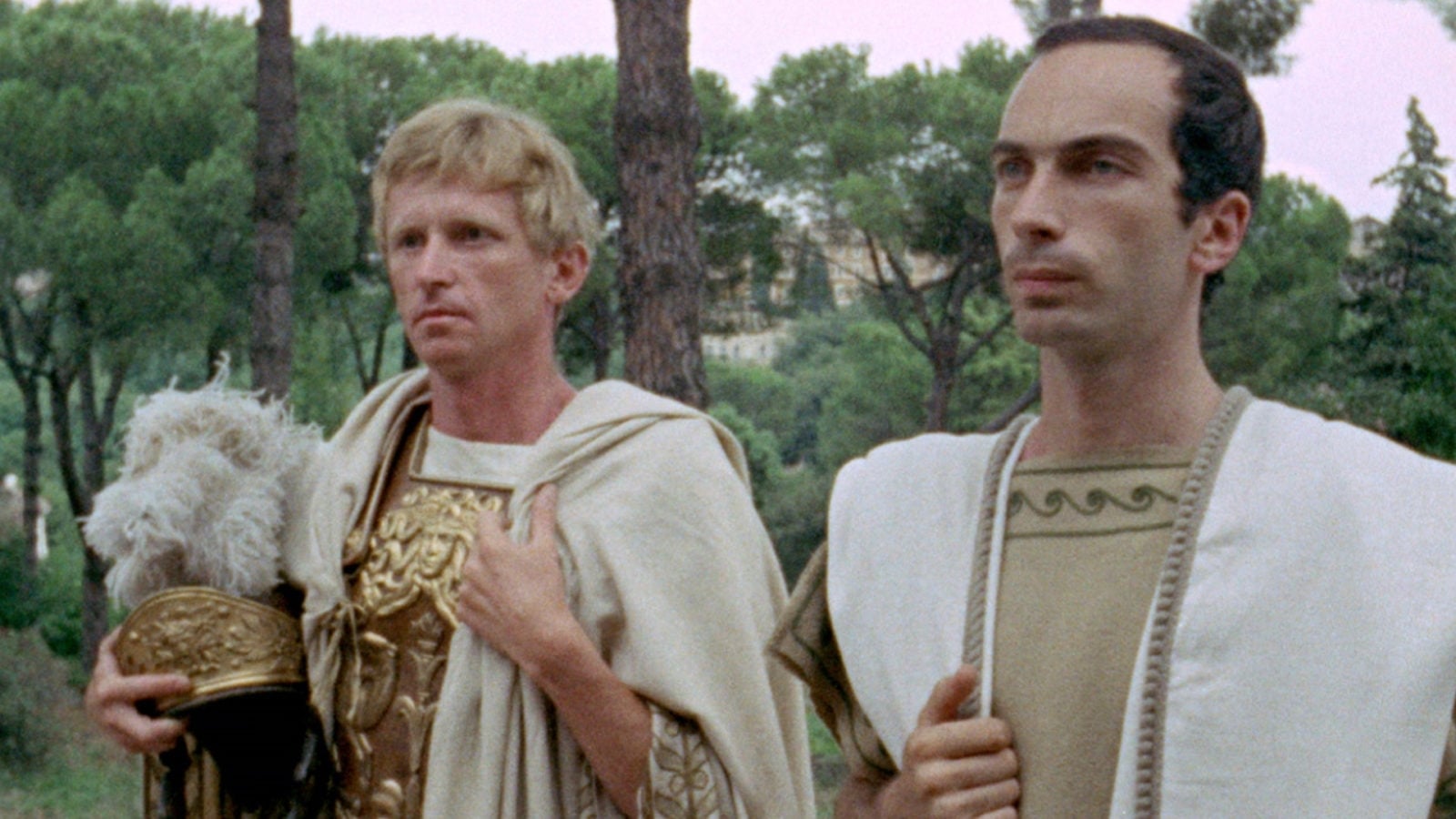
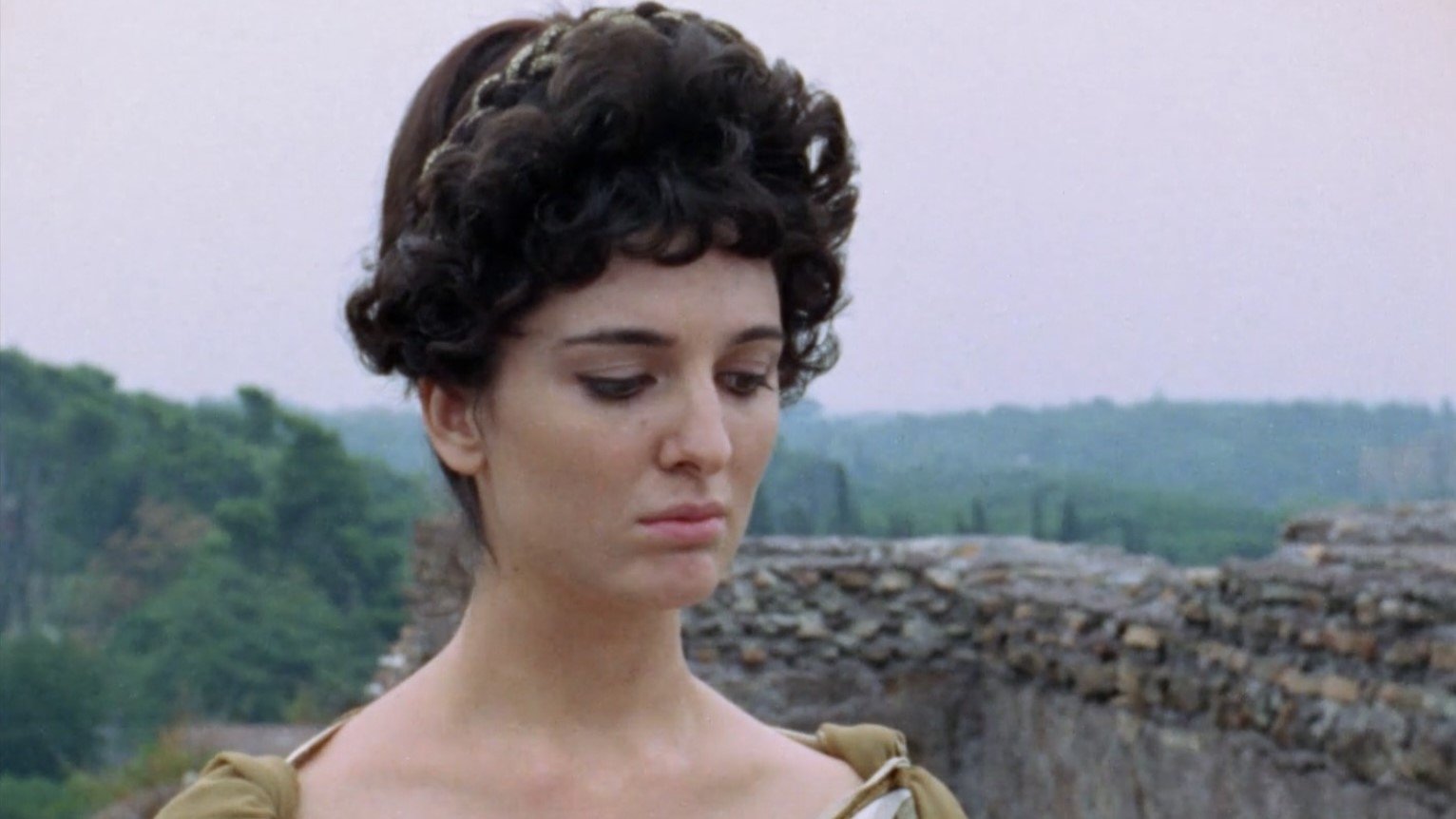
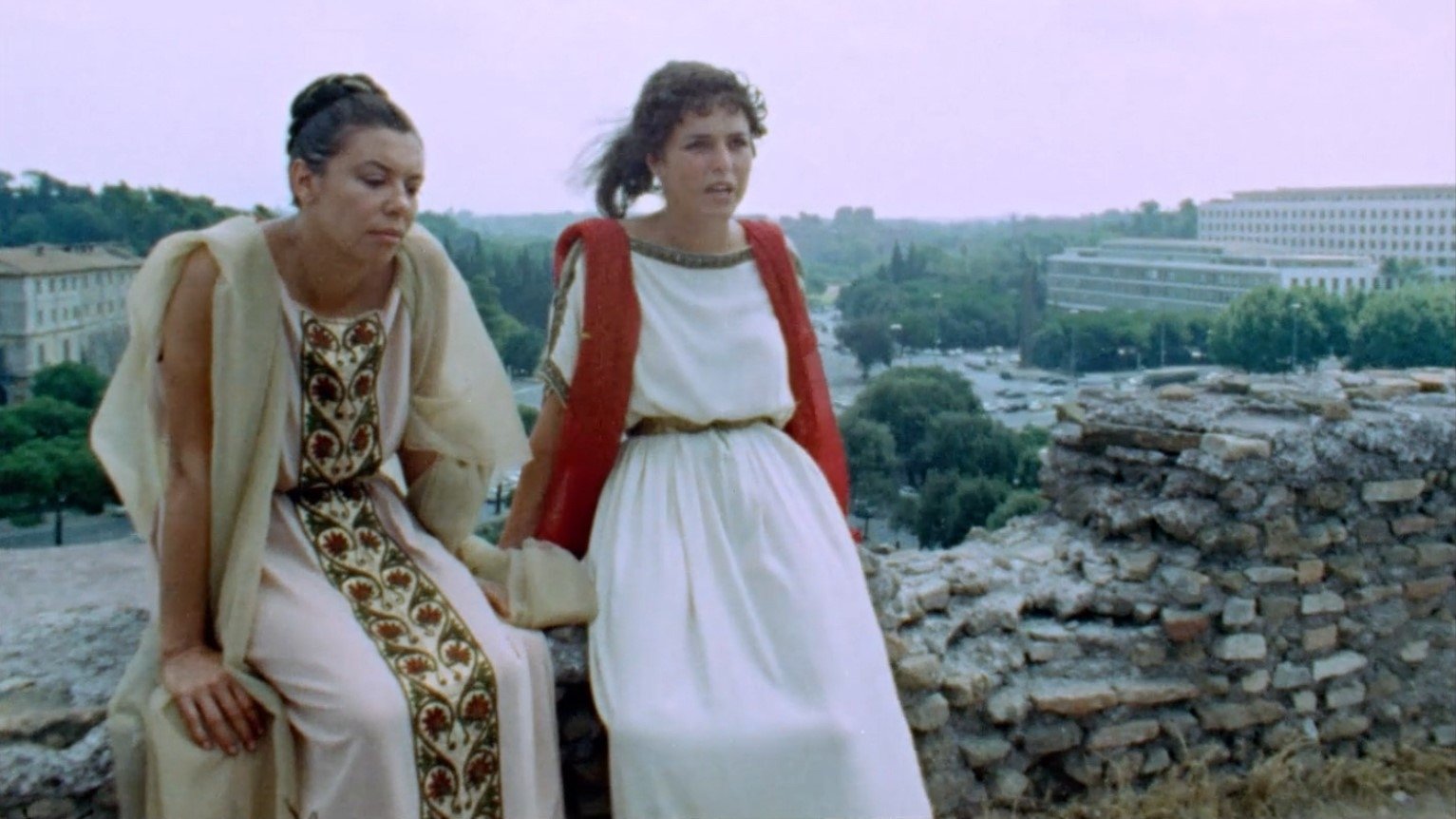
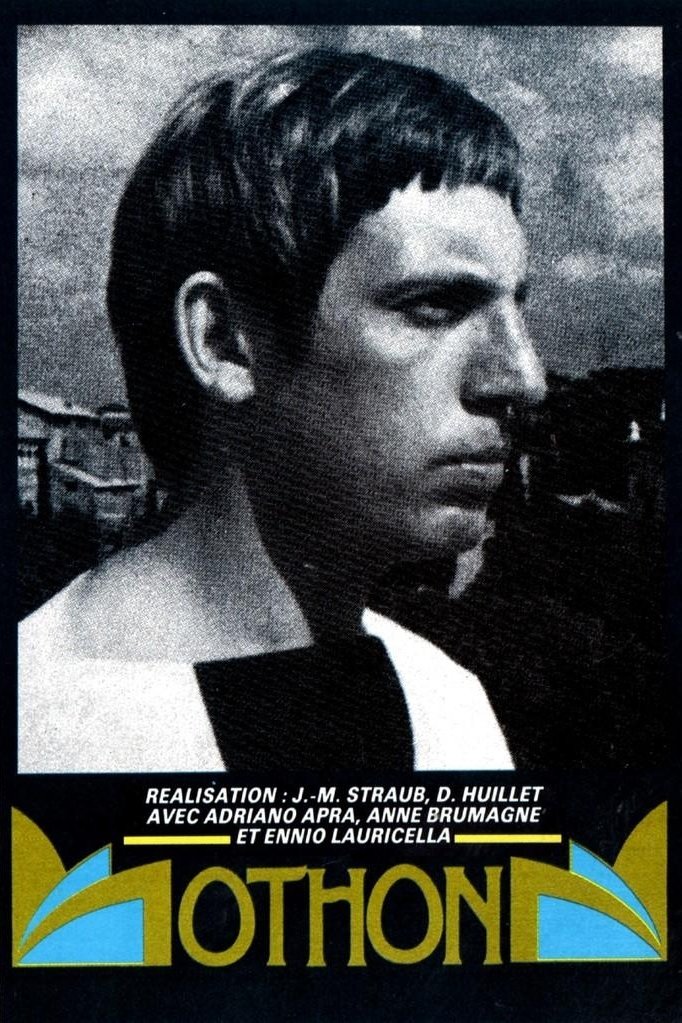
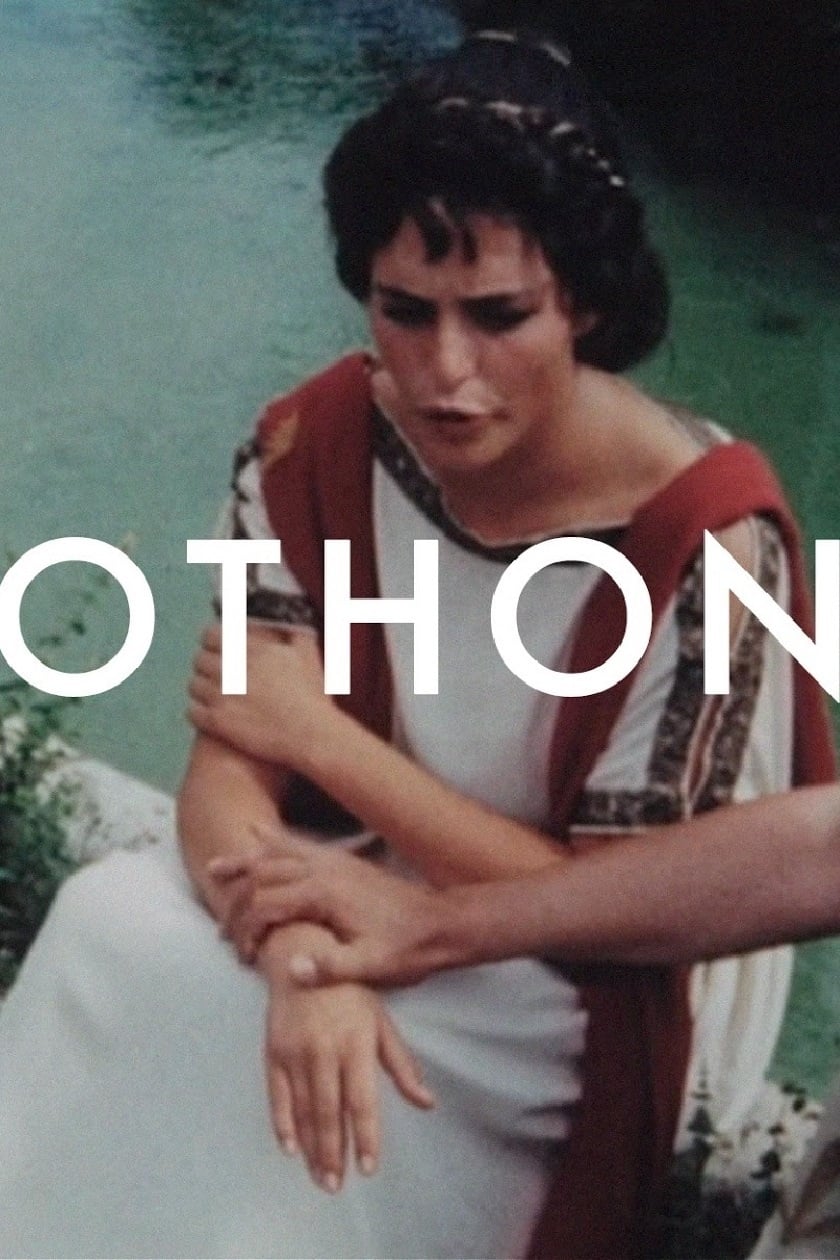
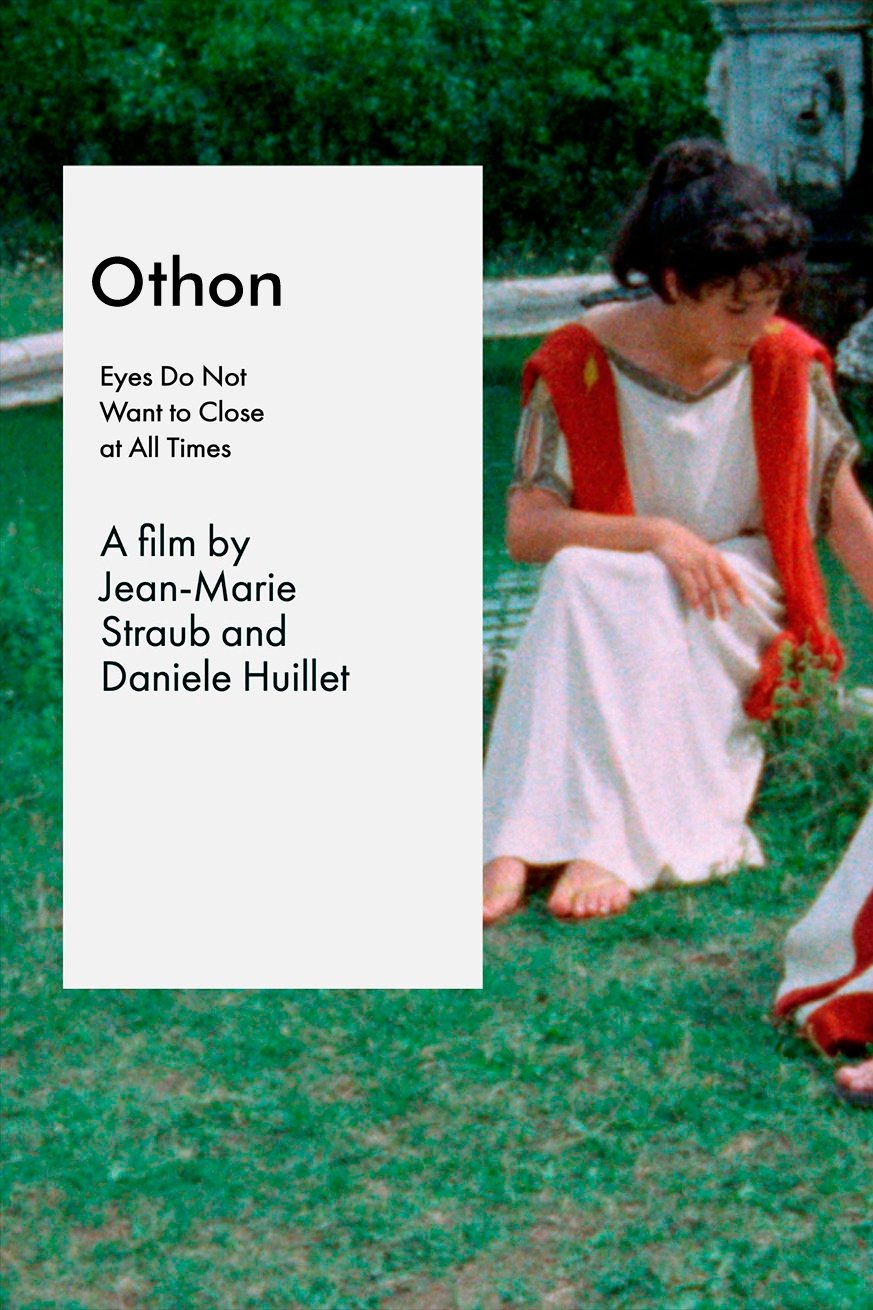
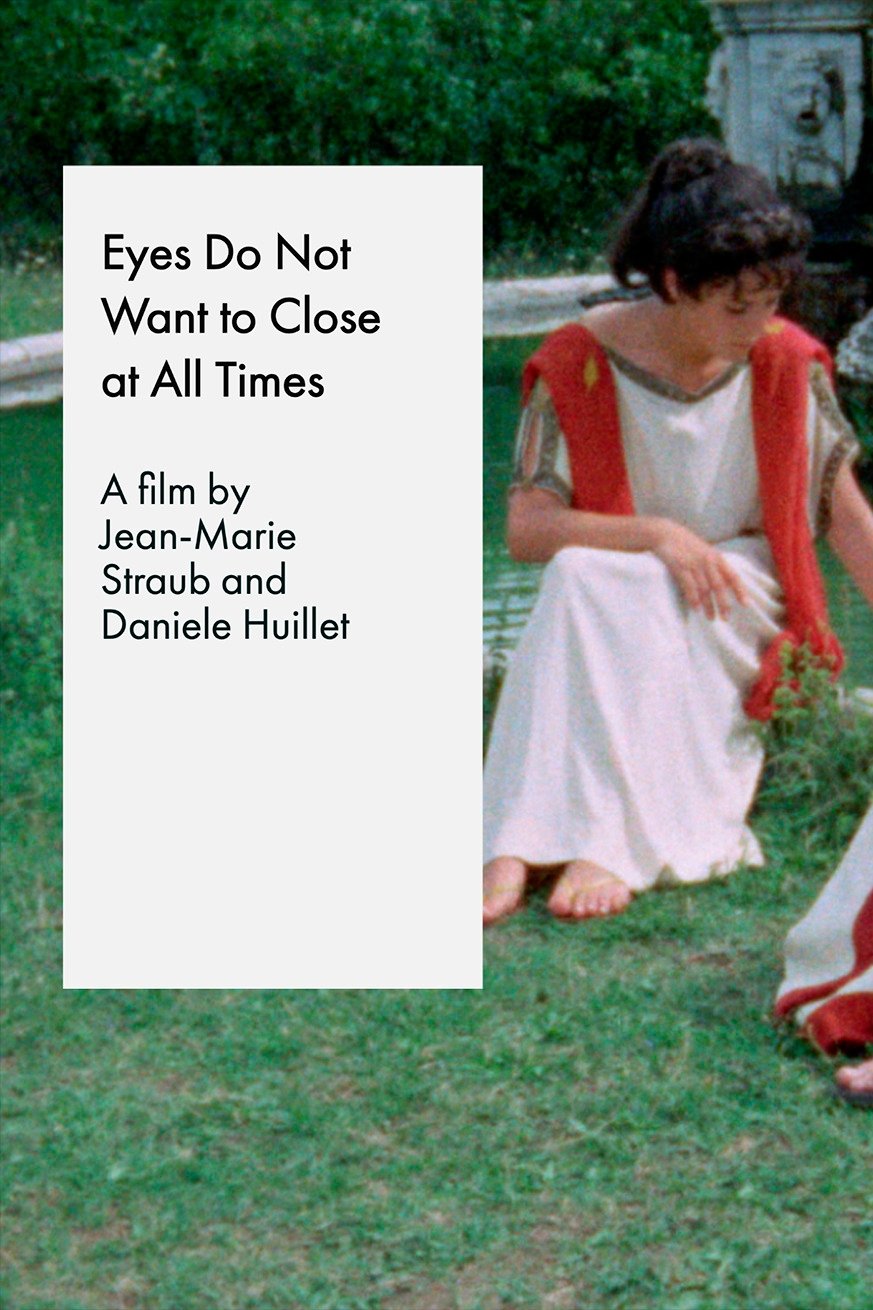
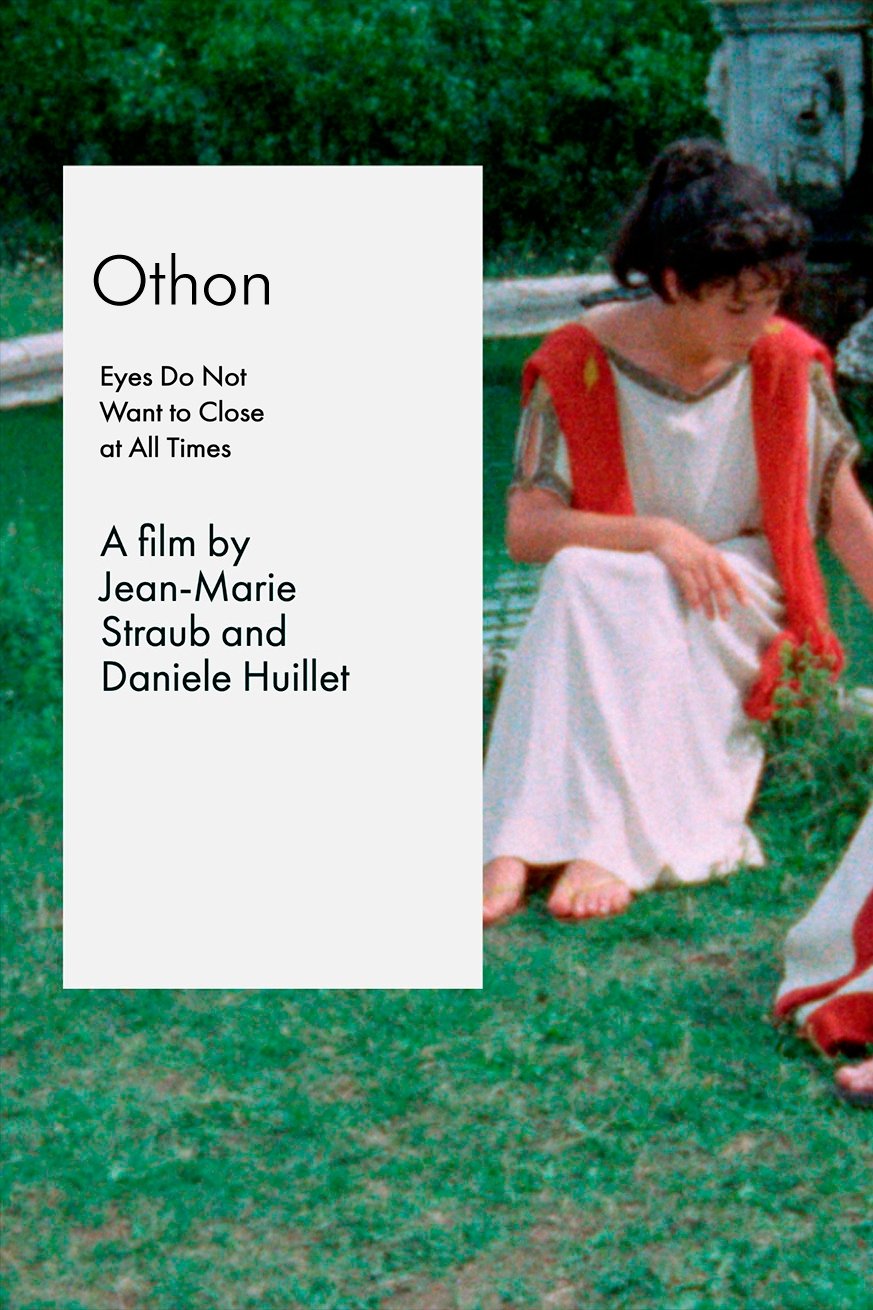
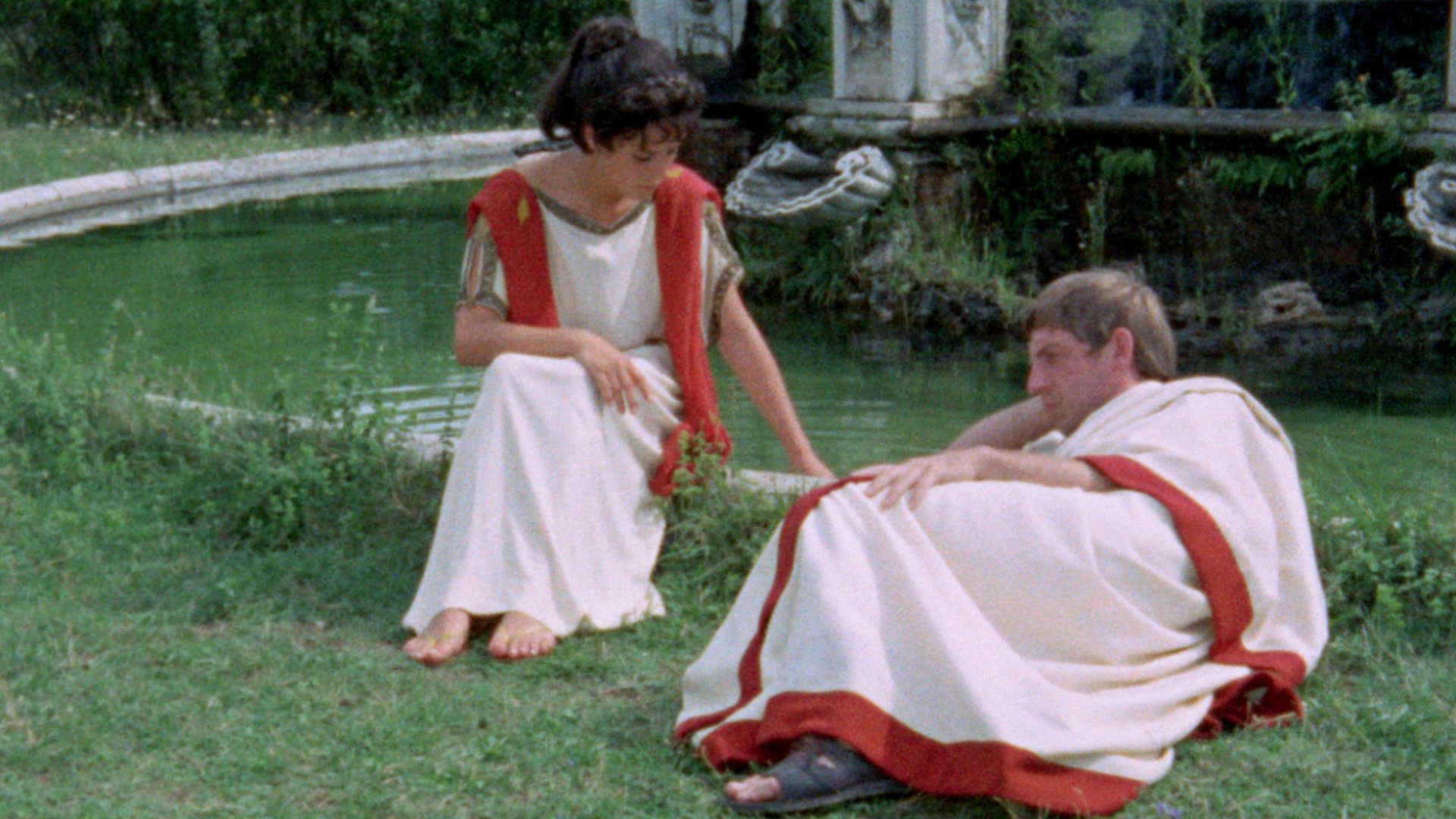
Straub-Huillet’s first color film, adapts a lesser-known Corneille tragedy from 1664, which in turn was based on an episode of imperial court intrigue chronicled in Tacitus’s Histories. The costuming is classical, and the toga-clad, nonprofessional cast performs the drama’s original French text amid the ruins of Rome’s Palatine Hill while the noise of contemporary urban life hums in the background. Their lines are executed with a terrific flatness and frequently through heavy accents; the language in Othon becomes not merely an expression but a thing itself, an element whose plainness here alerts us to qualities of the work that might otherwise be subordinated.
Director
Director
Screenplay
Screenplay
Status
Released
Original Language
FR
Vinius
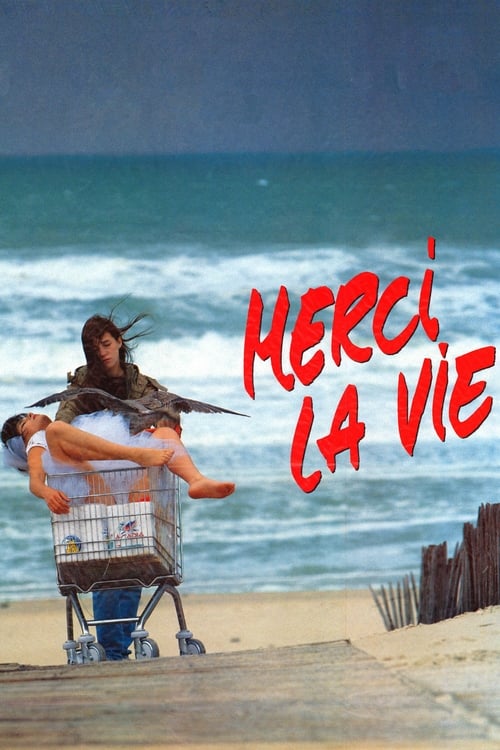
Camille, a naïve schoolgirl, meets an intriguing influence in Joelle, a slightly older and much more experienced spirit. Camille follows her new friend through the discovery of sex and the darker side of life. As the film progresses, Camille discovers AIDS and the fear that she may have picked up the disease in her early encounters.